
Lieferung heute & morgen

Qualitätsgarantie

Willkommens-Angebote freischalten: KOSTENLOSE Lieferung | Bis zu 80 % RABATT | Kostenlose 30-Tage-JoyPlus-Testphase
App herunterladen
A day cream with an integrated Sun Protection Factor (SPF) is a cornerstone of an effective skincare routine. It provides moisture while simultaneously protecting the skin from UV radiation, the primary cause of premature skin ageing. However, the market is saturated and full of marketing claims. Many products don't deliver on their promises or are unsuitable for your specific skin type. This guide will help you avoid the most common purchasing pitfalls and make an informed decision.
Before you make a decision, it's crucial to recognise common misconceptions and exaggerated advertising claims. These often lead to poor purchases and disappointing results.
To find a suitable moisturiser with sun protection, you should check three key technical parameters. These will help you objectively evaluate a product's performance.
The Sun Protection Factor (SPF) primarily refers to protection against UVB radiation, which is responsible for sunburn.
While UVB rays cause sunburn, UVA rays penetrate deeper into the skin and are primarily responsible for the destruction of collagen and elastin, which leads to premature ageing and wrinkles. A good product must therefore offer broad-spectrum protection. Look for the following indicators on the packaging:
The base of the cream is just as important as the sun protection. An unsuitable formulation can lead to dryness, blemishes, or an unpleasant feeling on the skin.
Here are some product recommendations tailored to the needs of different user profiles.
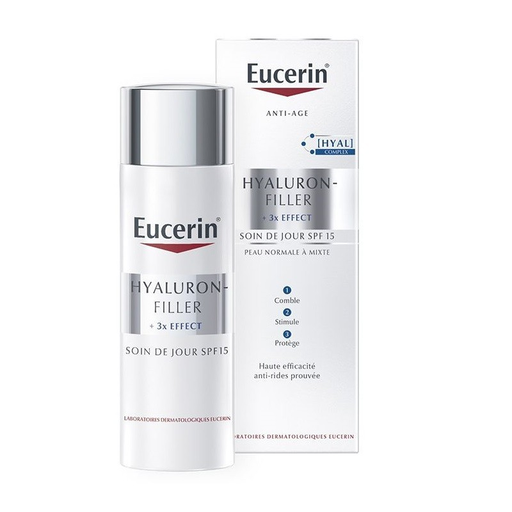
Why it's a match: Ideal for users with normal to combination skin who are looking for a reliable 2-in-1 solution for daily use. The texture absorbs well and delivers moisture without leaving a greasy film.
The product focuses on a proven combination: hyaluronic acid for moisture and reliable broad-spectrum protection with SPF 15. It avoids the hype around a single ingredient and relies on a solid overall formulation.
Combines high and low molecular weight hyaluronic acid for hydration in different skin layers. Offers EU-standard certified UVA/UVB protection.
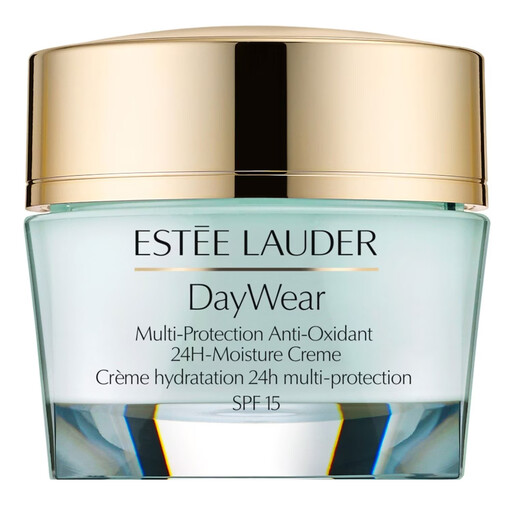
Why it's a match: For users who value a high-quality texture and additional protection against environmental stressors. The lightweight cream provides long-lasting moisture and works well as a makeup base.
Instead of a single ingredient, the brand highlights an antioxidant complex. This underscores the approach that a well-thought-out formulation is more important than a single, hyped ingredient.
In addition to broad-spectrum sun protection, it offers an antioxidant complex to protect against free radicals. The formulation is designed for long-lasting hydration.
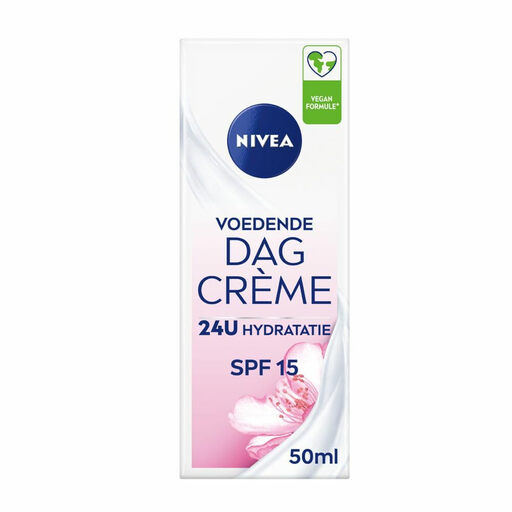
Why it's a match: A straightforward and affordable option for those with dry skin. It delivers intense moisture and the necessary daily basic protection without breaking the bank.
This product avoids vague anti-ageing promises and focuses on two clear tasks: intensive care for dry skin and basic sun protection. It's an honest, functional solution.
The formula is enriched with organic almond oil to specifically nourish and soothe dry skin. The vegan formulation is an added bonus for conscious consumers.
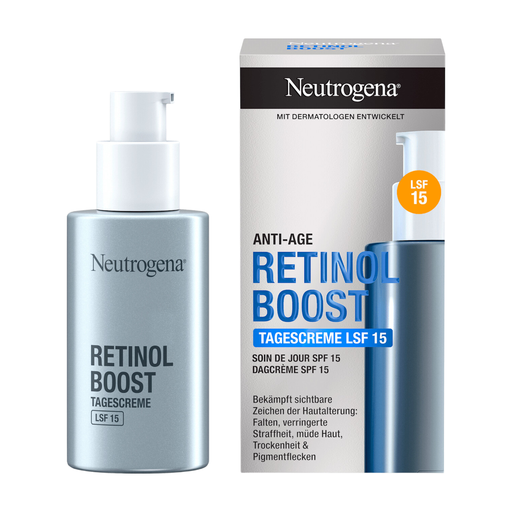
Why it's a match: For users who want to specifically target fine lines and wrinkles and are looking for a product with the proven active ingredient retinol, without sacrificing daily SPF.
The product is transparent about its main active ingredient (retinol) and sensibly combines it with hyaluronic acid for moisture and SPF 15 for protection. It makes no vague promises, instead relying on a known mechanism of action.
Contains pure retinol to reduce wrinkles, myrtle extract to enhance retinol's effectiveness, and hyaluronic acid for hydration. A multifunctional formula for visible results.
We have compiled a complete, up-to-date list of products that fully meet these strict selection criteria and UK/EU regulations.
1. Is a day cream with SPF 15 enough for a summer holiday? No. A day cream with SPF 15 is designed for incidental, everyday sun exposure. For a holiday or extended, direct sun exposure (e.g., at the beach, hiking), a dedicated sunscreen with an SPF of at least 30, or preferably 50, is essential. It must also be reapplied every two hours and after swimming or heavy sweating.
2. Can I use my day cream with SPF at night? While it's not technically harmful, it is not recommended. Sunscreen filters have no function at night and can unnecessarily clog pores for some skin types. A night cream is specifically formulated to support the skin's regeneration processes overnight and contains optimised active ingredients without SPF.
3. Why does my face cream with sun protection sometimes pill on my skin? This phenomenon, known as "pilling," can have several causes. It often occurs because products applied beforehand (e.g., a serum) have not fully absorbed. Applying too much product or an incompatibility between the formulations of different products can also lead to this effect. Try waiting a few minutes between each step of your skincare routine.