
Lieferung heute & morgen

Qualitätsgarantie

Willkommens-Angebote freischalten: KOSTENLOSE Lieferung | Bis zu 80 % RABATT | Kostenlose 30-Tage-JoyPlus-Testphase
App herunterladen
A day cream with SPF is a cornerstone of any well-curated skincare routine. It combines essential hydration with the necessary protection against UV radiation, the primary cause of premature skin ageing. However, the market is saturated and filled with marketing promises that can make choosing difficult. This guide will help you understand the key criteria and find a product that truly fits your needs.
Before you make a decision, it's helpful to know the most common stumbling blocks. Many buyers quickly become dissatisfied because a product doesn't deliver on its promises or proves impractical for daily use.
To make an informed decision, you should examine three central aspects. These will help you objectively evaluate product quality.
Daily protection from UV radiation is the foundation for maintaining skin health. Look for two key indicators:
Sunscreen filters can be divided into two main groups with different properties:
The choice depends on your personal preference and skin sensitivity.
A day cream with UV protection should do more than just protect. It must be suitable for your skin type.
Here are some product recommendations tailored to specific needs and lifestyles.
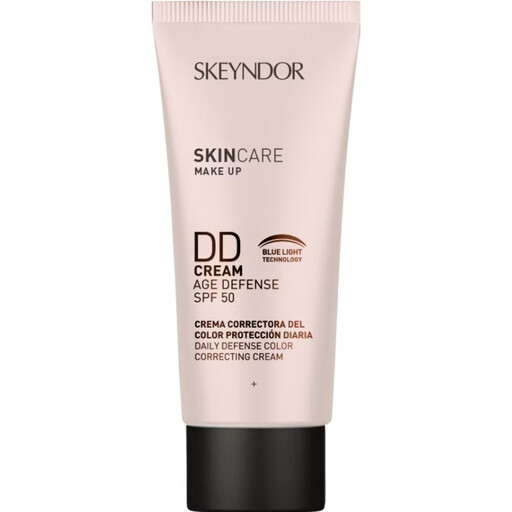
Why it's a match: Perfect for anyone looking to save time in the morning. This product combines a hydrating anti-ageing treatment, very high broad-spectrum protection, and a light tint in one step. Ideal for the daily commute and achieving a polished, even complexion without the fuss.
With SPF 50 and certified UVA protection, this DD cream provides comprehensive broad-spectrum coverage, solving the problem of inadequate protection. The formula is designed as a multifunctional product, offering a pleasant texture for daily use.
Combines skincare, very high protection (SPF 50), and a light tint in one product.
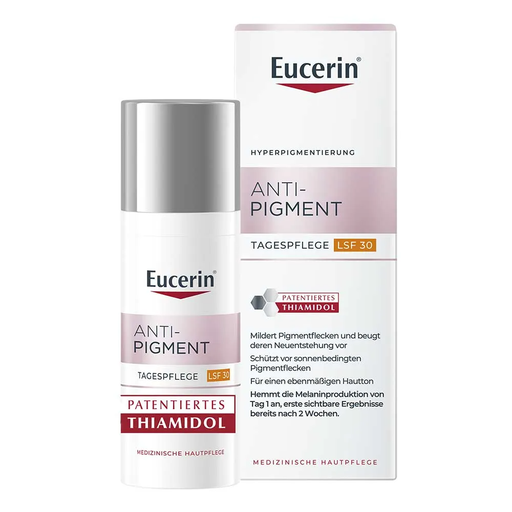
Why it's a match: For those who want to target existing dark spots and prevent new ones from forming. The formula combines solid daily UV protection with a specific active ingredient that targets the root cause of hyperpigmentation.
This product avoids the trap of vague marketing by using a patented active ingredient (Thiamidol), which is clinically proven, according to the manufacturer, to be effective on dark spots. Its lightweight texture also avoids the problem of a heavy, unpleasant cream.
Contains the active ingredient Thiamidol, specifically developed to reduce dark spots.
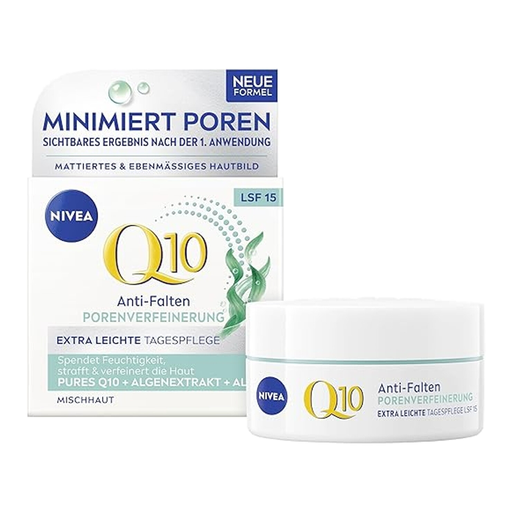
Why it's a match: A solid and accessible option for starting a daily protection routine. It provides a baseline level of sun protection for a normal day, delivers moisture, and is specifically formulated for the needs of combination skin with enlarged pores.
The product is transparent about its SPF 15, which is sufficient for days with low sun exposure, and avoids exaggerated protection claims. The formula, explicitly described as "extra light," directly addresses the concern of a heavy, greasy texture.
Very lightweight, pore-refining formula developed specifically for combination skin.
We've compiled a complete, up-to-date list of products that fully meet these strict selection criteria and UK/EU regulations.
1. Is a day cream with SPF enough on its own for sun protection? For a typical day with limited time outdoors, such as commuting or brief periods outside, a day cream with SPF 30 or 50 can be sufficient. However, for prolonged and intense sun exposure, such as at the beach, hiking, or during sports, a dedicated facial sunscreen is essential. It should be applied generously and reapplied every two hours.
2. How much product do I need to apply to get the stated SPF? The amount you apply is crucial to achieving the protection level stated on the packaging. The "two-finger rule" is a good guide: a line of cream on your index finger and another on your middle finger is the recommended amount for your face and neck. Applying too little significantly reduces the protection factor.
3. Can I use a day cream with SPF at night? Technically, you can, and it isn't harmful. However, it's not beneficial. The UV filters provide no advantage at night and can unnecessarily burden the skin. A night cream is specifically formulated for skin regeneration during sleep and contains optimised active ingredients, making it the better choice for your evening routine.