
Lieferung heute & morgen

Qualitätsgarantie

Willkommens-Angebote freischalten: KOSTENLOSE Lieferung | Bis zu 80 % RABATT | Kostenlose 30-Tage-JoyPlus-Testphase
App herunterladen
A good day cream with SPF is the foundation of any skincare routine. It provides moisture and protects the skin from UV radiation, the main cause of premature skin ageing. However, the market is confusing and full of marketing promises that make choosing difficult. Many products don't deliver on their claims, leading to unnecessary expense. Before you make a decision, it's important to know the most common pitfalls.
Pitfall 1: The "All-in-One" Myth Products that promise to simultaneously smooth wrinkles, provide intense moisture, perfect the complexion, and protect with SPF 50 sound tempting. In practice, such formulations are often a compromise. The texture can be too heavy, pill under makeup, or the concentration of individual active ingredients is too low to achieve a visible effect.
Pitfall 2: Misunderstanding SPF A high sun protection factor, like SPF 50, is often misinterpreted as an all-day shield. However, the SPF only indicates the factor by which the skin's own protection time is extended before a sunburn occurs. It doesn't offer a free pass for hours of sunbathing. Regardless of the SPF level, protection diminishes over time and must be reapplied, especially after sweating or contact with water.
To make an informed purchasing decision, you should focus on objective parameters rather than advertising messages. These three criteria are crucial for selecting an effective daily moisturiser with sun protection.
The Sun Protection Factor (SPF) primarily refers to protection against UVB rays, which are responsible for sunburn. For everyday life in the UK, a day cream with SPF 30 is generally considered sufficient. It filters about 97% of UVB rays. A day cream with SPF 50 blocks approximately 98% and is especially recommended for very fair skin types, during intense sun exposure, or for those prone to pigmentation spots.
More important than the highest possible SPF is broad-spectrum protection. This also protects against UVA rays, which penetrate deeper into the skin and are a major contributor to skin ageing (wrinkles, loss of elasticity). Look for the UVA symbol (a circle with "UVA" inside) on the packaging, which indicates compliance with EU minimum standards.
The type of UV filter affects texture, application, and skin compatibility. There are two main types:
The choice depends on your personal preference and skin sensitivity. Both types of filters provide reliable protection when applied correctly.
A face cream with SPF should do more than just protect. The formulation must suit your skin type.
Based on the criteria above, we have curated a selection of products for different profiles and needs.
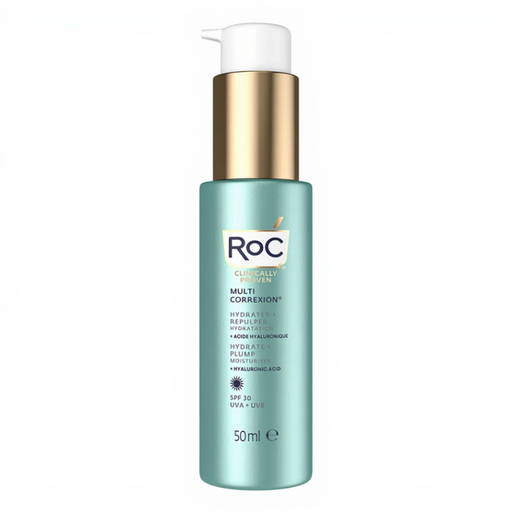
Why This Fits Their Persona: Ideal for those who want a reliable, hydrating day cream for the daily commute and time spent in the office. The formula is straightforward and effective.
This product avoids the "all-in-one" myth by focusing on two core functions: intense hydration with hyaluronic acid and reliable broad-spectrum SPF 30 protection.
The lightweight, non-greasy texture absorbs quickly and works well as a base under makeup. Contains niacinamide to help promote an even skin tone.
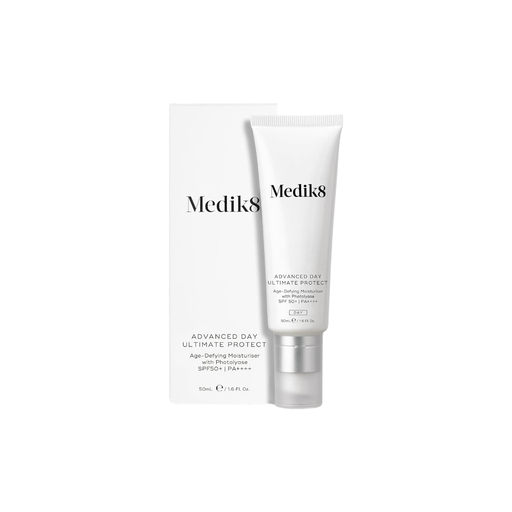
Why This Fits Their Persona: Perfect for discerning users who seek maximum protection against environmental ageing and are willing to invest in a highly advanced formula.
This product sidesteps the pitfall of misunderstood SPF by not only offering very high protection (SPF 50+ PA++++) but also combining it with defence against blue light, infrared, and pollution.
The formula contains modern UV filters for high protection without a significant white cast. Hyaluronic acid and squalane provide moisture without weighing down the skin.
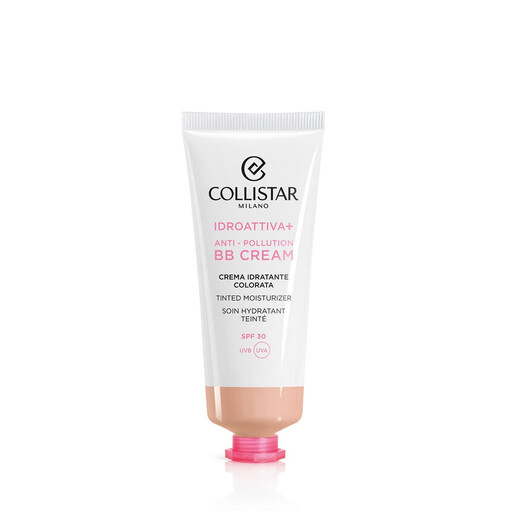
Why This Fits Their Persona: For anyone who wants light coverage for an even complexion without sacrificing hydration and sun protection. A practical 2-in-1 solution for the morning.
This product clearly positions itself as a tinted moisturiser, not a high-coverage foundation. It avoids the trap of being a poor compromise by combining a lightweight texture with nourishing properties.
Offers solid broad-spectrum protection with SPF 30. According to the manufacturer, the formula contains a complex for long-lasting hydration and antioxidant protection from peony extract.
We have compiled a complete, real-time list of products that fully satisfy these strict selection criteria and UK safety regulations.
Yes, it's highly recommended. UVA rays, which are the primary cause of skin ageing, penetrate clouds and window glass. Even though UVB intensity is lower in winter, exposure to UVA radiation remains a relevant concern all year round. A daily moisturiser with sun protection is therefore a consistent measure to prevent wrinkles and pigmentation spots.
For normal daily life with brief periods outdoors (e.g., the commute to work), a day cream with SPF is usually sufficient. However, for intentional sunbathing, outdoor sports, or on holiday, you should use a dedicated, water-resistant sunscreen. These products are designed to adhere reliably even with heavy sweating or after swimming and must be reapplied every two hours.
This phenomenon is known as "pilling" and can have several causes. It often occurs because the skincare products underneath (e.g., a serum) have not fully absorbed. Using too much cream or combining incompatible formulations (e.g., water-based and silicone-based) can also cause the product to roll off. Allow each layer of your skincare routine a few minutes to absorb before applying the next.