
Lieferung heute & morgen

Qualitätsgarantie

Willkommens-Angebote freischalten: KOSTENLOSE Lieferung | Bis zu 80 % RABATT | Kostenlose 30-Tage-JoyPlus-Testphase
App herunterladen
Finding the right day cream with SPF can quickly feel overwhelming. The market is vast, and marketing claims make it difficult to identify a product's truly important features. Many formulas promise hydration, anti-aging benefits, and sun protection all in one. Yet, not every product delivers on its promise. As your Joybuy Product Recommendation Officer, I'll help you navigate the common pitfalls and make an informed decision.
Before we dive into the crucial selection criteria, let's look at the most common misconceptions that often lead to unsuitable purchases.
To find a day cream that truly suits you, you should focus on three fundamental parameters. These will help you objectively evaluate a product's performance.
The Sun Protection Factor (SPF) on the packaging only indicates protection against UVB rays, which are responsible for sunburn. At least as important is protection against UVA rays, which penetrate deeper into the skin and are a major contributor to photoaging (wrinkles, dark spots).
Therefore, always look for products explicitly labelled as "Broad Spectrum" or that carry the UVA logo (a circle with "UVA" inside). This ensures that the UVA protection is at least one-third of the stated SPF, as recommended by the EU Commission. Some products, particularly from the Asian market, also use the PA rating (PA+, PA++, PA+++, PA++++) to indicate the level of UVA protection, with PA++++ being the highest.
Sunscreen filters can be divided into two main categories:
The choice depends on your personal preference and skin sensitivity. Many modern products also combine both filter types to achieve high protection with a pleasant texture.
A moisturising cream with SPF for the face must match your skin's needs. The base of the product is crucial here:
Based on the criteria mentioned, we have put together a few products for different requirement profiles.
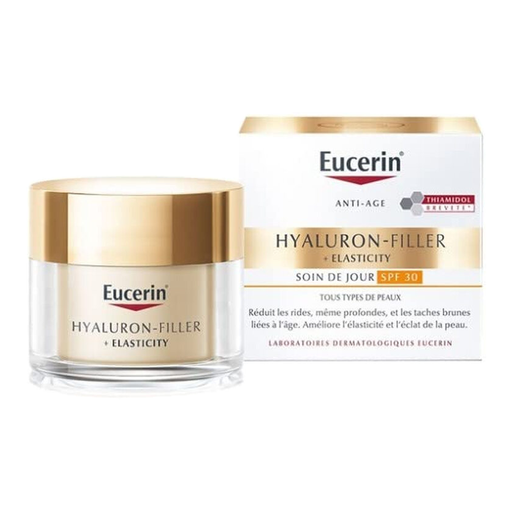
Why This Fits Their Persona: Ideal for users seeking reliable anti-aging care with daily sun protection. The formula aims to improve elasticity and reduce wrinkles, while the SPF 30 offers solid protection for everyday life.
This product doesn't just rely on hyaluronic acid; it combines it with other active ingredients that target skin elasticity. It avoids the "single-ingredient hype" with a multifunctional formula.
Combines moisturising care, an anti-aging approach, and broad-spectrum protection (SPF 30 with UVA filter) in one step. Comes from a well-established pharmacy brand.
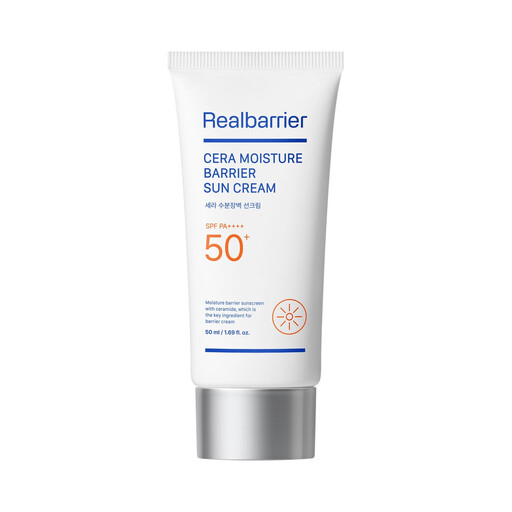
Why This Fits Their Persona: Perfect for those with sensitive or dry skin who want a very high protection factor without stressing the skin barrier. The focus is on soothing and strengthening the skin.
This product goes beyond just SPF and explicitly addresses high UVA protection with its PA++++ rating. The formula, with ceramides and panthenol, focuses on the health of the skin barrier, not just a single active ingredient.
Very high broad-spectrum protection (SPF 50+ and PA++++). The patented MLE technology aims to strengthen the skin barrier. The formula is non-comedogenic.
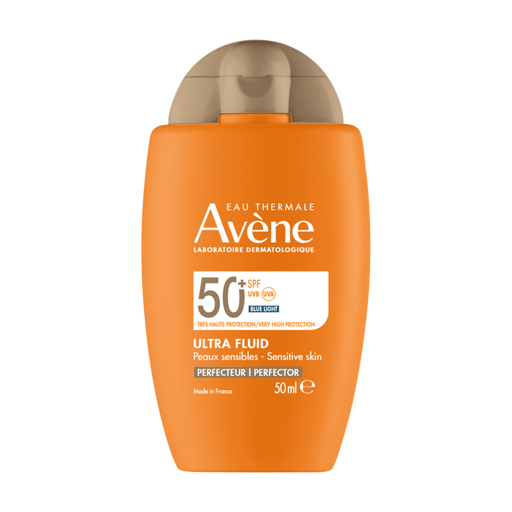
Why This Fits Their Persona: For anyone who wants very high sun protection and a hint of colour for a naturally fresh complexion. Ideal for saving time in the morning while still looking protected and cared for.
This product is positioned as a fluid with a universal tint, not as makeup. It avoids the trap of false coverage expectations by focusing on a light, evening effect rather than heavy coverage.
Very high broad-spectrum protection (SPF 50+) including protection against HEV blue light. The ultra-light fluid texture is designed for sensitive skin and is water-resistant.
We have compiled a complete, up-to-date list of products that fully meet these strict selection criteria and European safety standards.
1. How much day cream with SPF should I apply to get the full protection? For the face, an amount equivalent to a two-finger length (index and middle finger) is generally recommended. An insufficient amount significantly reduces the protection factor. Don't forget to apply it to your neck, ears, and the back of your neck as well.
2. Can a day cream with SPF replace a conventional facial sunscreen? For a normal day, the commute to work, or short periods outdoors, a day cream with SPF 30 or 50 is usually sufficient. However, for prolonged, intense sun exposure, such as at the beach, while hiking, or during outdoor sports, a dedicated facial sunscreen should be used. These are often more water- and sweat-resistant and must be reapplied every two hours.
3. Do I need to use a day cream with SPF in the winter or on cloudy days? Yes. Up to 80% of UVA rays can penetrate dense cloud cover and even window glass. Since UVA radiation is the main cause of premature skin aging, the daily use of broad-spectrum protection throughout the year is a sensible step in preventing wrinkles and changes in pigmentation.