
Lieferung heute & morgen

Qualitätsgarantie

Willkommens-Angebote freischalten: KOSTENLOSE Lieferung | Bis zu 80 % RABATT | Kostenlose 30-Tage-JoyPlus-Testphase
App herunterladen
A day cream with SPF is a cornerstone of any well-thought-out skincare routine. It combines hydration with protection against UV radiation, the primary cause of premature skin ageing, such as wrinkles and dark spots. However, the market is saturated and full of marketing promises that often create more confusion than clarity. Many products fail to deliver, leading to disappointment and wasted money.
As your Joybuy Product Recommendation Officer, I'm here to help you identify these pitfalls and make an informed decision. We'll focus on the objective criteria that truly matter.
Before we get to the solutions, it's important to understand the most common issues that can lead to a bad buy:
To make the right choice, you should focus on three verifiable parameters. These will help you objectively evaluate a product's performance.
The most important factor is broad-spectrum protection, which shields the skin from both UVA and UVB rays.
Look for the UVA logo (a circle with "UVA" inside) on the packaging. This EU-standardised symbol guarantees that the UVA protection is at least one-third of the stated UVB protection (SPF).
The choice between an SPF 30 day cream and an SPF 50 day cream depends on your lifestyle and skin condition.
A good day cream with SPF should not only protect but also nourish. The active ingredients must be suited to your skin's needs.
Here are some product recommendations tailored to specific needs and the criteria mentioned above.
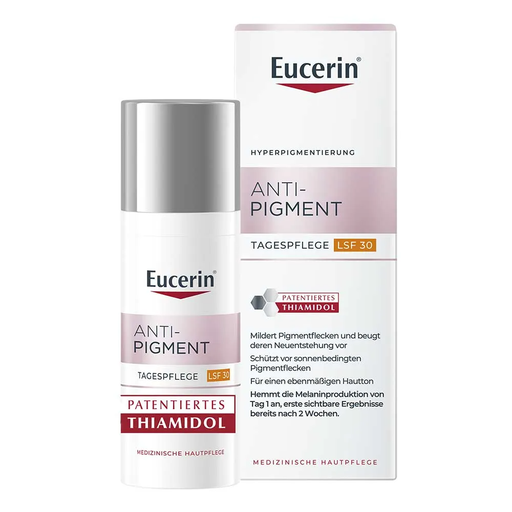
Why This Fits Their Persona: Ideal for individuals who want to specifically reduce existing dark spots and prevent new ones from forming. The formulation is geared towards a specific skin concern and combines this with daily UV protection.
This product bypasses the trap of non-specific "miracle ingredients." It relies on the patented active ingredient Thiamidol, which, according to the manufacturer, is designed to target the root cause of hyperpigmentation rather than making vague anti-ageing promises.
Combines a targeted active ingredient for dark spots with solid broad-spectrum protection (SPF 30). The texture is designed to absorb quickly without being greasy.
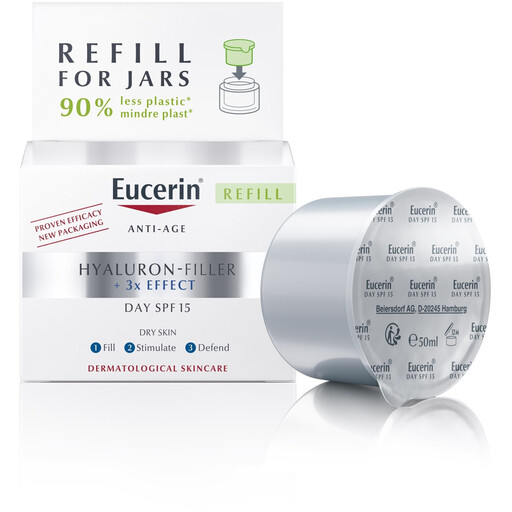
Why This Fits Their Persona: Perfect for those with dry skin whose priority is intense hydration and reducing the appearance of fine lines. The SPF 15 offers basic protection for daily life with low sun exposure.
It avoids the "single-ingredient" trap by using a sophisticated combination of high- and low-molecular-weight hyaluronic acid (according to the manufacturer) to hydrate the skin on multiple levels and plump up wrinkles.
The formula is specifically designed for the needs of dry skin. The refill pod is also a more eco-conscious option, as it reduces plastic consumption, according to the manufacturer.
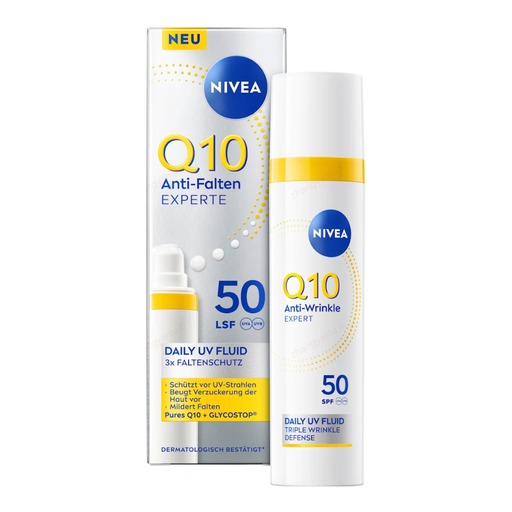
Why This Fits Their Persona: Suitable for anyone looking for a very high SPF in a lightweight, non-greasy texture. It's a great choice for combination or oily skin and works excellently as a makeup base.
It solves the problem of heavy, sticky textures that deter many from daily high-SPF use. As a fluid, it bypasses the "one-size-fits-all" trap by focusing on a lightweight consistency for specific skin types.
Offers high SPF 50 with broad-spectrum protection in a mattifying fluid texture that absorbs quickly and, according to the manufacturer, leaves no white cast.
We have compiled a complete, up-to-date list of products that fully meet these strict selection criteria and safety standards.
1. Do I need to use a day cream with SPF in the winter or in the office? Yes, daily use is recommended. UVA rays, which are a major contributor to skin ageing, penetrate clouds and window glass. Consistent protection is key to safeguarding your skin from long-term photo-damage, regardless of the season or your location.
2. Can a day cream with SPF replace a regular sunscreen? For everyday activities like commuting or time spent in the office, a day cream with SPF is generally sufficient. However, for intense and prolonged sun exposure, such as at the beach, hiking, or playing sports outdoors, a dedicated, water-resistant sunscreen should be used. These are typically applied more generously and should be reapplied regularly to maintain protection.
3. Why do some creams leave a white cast, and how can I avoid it? The white cast is often caused by mineral UV filters like titanium dioxide or zinc oxide. Modern formulations bypass this issue by using micronised particles that are invisible on the skin or by using chemical filters. Look for products described as a "fluid," having an "invisible finish," or being "free of white residue."