
Lieferung heute & morgen

Qualitätsgarantie

Willkommens-Angebote freischalten: KOSTENLOSE Lieferung | Bis zu 80 % RABATT | Kostenlose 30-Tage-JoyPlus-Testphase
App herunterladen
A good day cream with Sun Protection Factor (SPF) is more than just a moisturiser. It's your daily essential for hydrating the skin while shielding it from UV radiation—a primary cause of premature ageing and pigmentation changes. However, the market can be overwhelming, and many products fail to deliver on their promises. As your Joybuy Product Recommendation Officer, I'm here to help you navigate the common pitfalls and make an informed decision.
Before you invest, it's important to recognise the common marketing traps that often lead to disappointment and unnecessary expense.
To find the right product for you, focus on these three objective criteria.
The Sun Protection Factor indicates how much longer you can be exposed to the sun without getting a sunburn compared to unprotected skin. However, more important than the number itself is broad-spectrum protection. This shields you from both UVB rays (responsible for sunburn) and UVA rays, which penetrate deeper into the skin and are responsible for premature ageing (wrinkles, loss of elasticity) and dark spots. Look for the UVA logo (a circle with "UVA" inside) on the packaging. An SPF 30 is a solid baseline for daily use, while SPF 50 is the better choice for fair, sensitive skin or if you want to use a cream for dark spots.
A modern day cream with SPF can do more than just protect and moisturise. Look for ingredients that support your specific skin goals:
The foundation of any good cream is a formulation that suits your skin type.
Here are some products worth considering based on their objective properties for different needs and profiles.
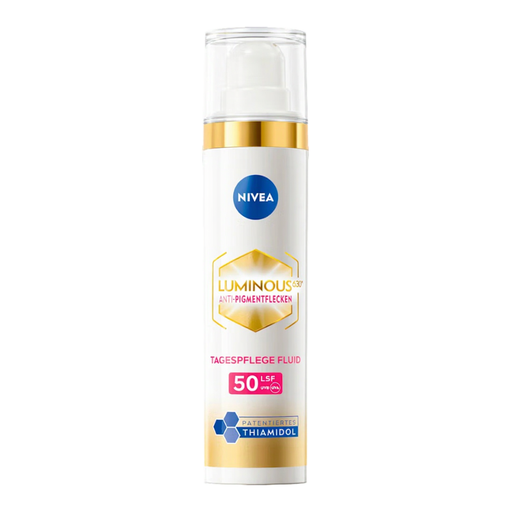
Why it's a match: Perfect for those seeking a straightforward, all-in-one solution for daily use. It combines a very high protection factor with an active ingredient that targets a common concern—dark spots.
This fluid goes beyond minimum protection, offering high broad-spectrum coverage with SPF 50. It directly addresses the "SPF myth" and works preventatively.
Combines the patented active ingredient LUMINOUS630 to reduce dark spots with hyaluronic acid for moisture in a lightweight texture.
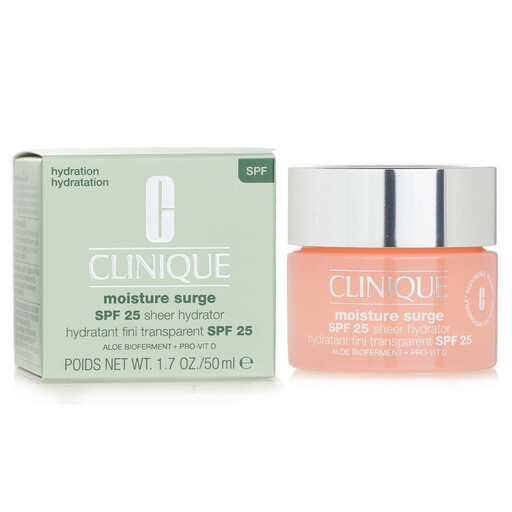
Why it's a match: Suitable for users who prioritise a low-irritation formula and have sensitive skin. The focus is on hydration and gentle protection without unnecessary additives.
This product avoids the "trendy ingredient" trap. Instead of chasing hype, it offers a well-designed formula with aloe vera, hyaluronic acid, and mineral UV filters (zinc oxide, titanium dioxide), which are considered especially gentle.
The formula is fragrance-free and non-comedogenic, making it a great choice for sensitive and blemish-prone skin types.
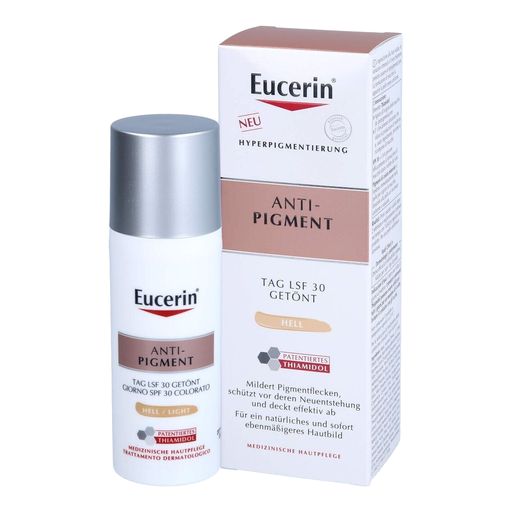
Why it's a match: Specifically designed for those who want to actively reduce existing dark spots and prevent new ones from forming. Its tinted formula also provides an immediate concealing effect.
This product avoids the "wrong texture" trap by offering a fast-absorbing, lightly tinted formula that is suitable for all skin types and leaves no greasy film, all while addressing a specific skin concern.
Contains the Beiersdorf-patented active ingredient Thiamidol, which, according to the manufacturer, targets hyperpigmentation at its root. The SPF 30 provides additional protection against the formation of new sun-induced spots.
We have compiled a complete, up-to-date list of products that fully meet these strict selection criteria and our safety standards.
Yes, year-round application is recommended. UVA rays, which are a major contributor to skin ageing, can penetrate clouds and even window glass. Therefore, daily use is a consistent step to protect your skin from long-term cumulative damage.
For normal daily activities (office work, short periods outdoors), a day cream with SPF 30 or 50 is generally sufficient. However, for prolonged, direct sun exposure—such as at the beach, while hiking, or during outdoor sports—you should apply a dedicated sunscreen in a sufficient amount and reapply it regularly to maintain protection.
Look for the "non-comedogenic" label. This means the formula is designed not to clog pores. Additionally, opt for lighter textures like fluids or gel-creams instead of very rich, oil-based creams. Checking the ingredient list can also be helpful: ingredients like coconut oil or lanolin can be comedogenic for some people.