
Lieferung heute & morgen

Qualitätsgarantie

Willkommens-Angebote freischalten: KOSTENLOSE Lieferung | Bis zu 80 % RABATT | Kostenlose 30-Tage-JoyPlus-Testphase
App herunterladen
The search for the right day cream with SPF can quickly become overwhelming. The market is vast, and marketing claims are diverse. Many products combine moisturisation, anti-ageing ingredients, and sun protection in a single jar. However, not every formula delivers on its promise. As your Joybuy Product Recommendation Officer, I'm here to help you understand the crucial criteria and avoid common purchasing pitfalls.
Several common assumptions often lead to unsuitable purchases:
To make an informed decision, you should check three core parameters before selecting a product. These will help you objectively evaluate a cream's performance.
The Sun Protection Factor (SPF) indicates how much longer you can be exposed to the sun with the product on before getting a sunburn, compared to your skin's natural protection time.
However, broad-spectrum protection is crucial. Look for the UVA symbol (a circle with "UVA" inside) on the packaging. This seal guarantees that the UVA protection is at least one-third of the stated SPF, thus meeting EU recommendations. Only then is your skin comprehensively protected against photoageing.
Sunscreen filters can be divided into two main categories, which work differently on the skin:
The choice depends on your skin's tolerance and your personal preferences regarding texture.
A good face cream with SPF should not only protect but also nourish. The choice of additional active ingredients should match your skin type and goals.
Based on the criteria mentioned, we have curated a selection of products for different user profiles.
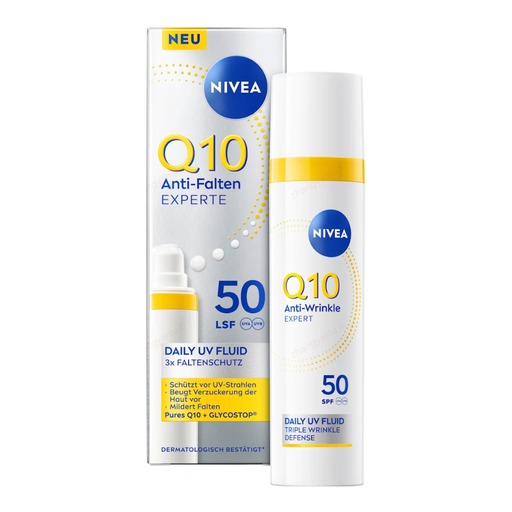
Why This Fits Their Persona: Ideal for those seeking a straightforward, effective, and affordable solution for daily protection. The lightweight fluid texture absorbs quickly and works well as a makeup base without feeling heavy.
This product bypasses the "one-size-fits-all" trap with its lightweight fluid texture, which is suitable for many skin types. It combines a high SPF 50 with broad-spectrum protection and the proven active ingredient Q10, without overloading the formula.
High and invisible UVA/UVB protection (SPF 50). The formula is designed to absorb quickly and leave a mattified finish.
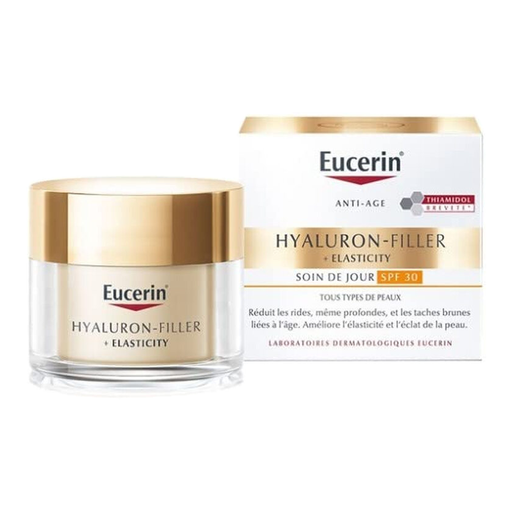
Why This Fits Their Persona: Suitable for users with mature skin who are looking for targeted anti-ageing care. The focus is on improving skin elasticity and reducing wrinkles, combined with reliable daily sun protection.
This cream avoids the trap of overloaded formulations by focusing on a proven combination: hyaluronic acid for moisture and specific active ingredients to improve elasticity. The SPF 30 provides solid broad-spectrum protection for daily use.
The formula is designed to improve skin elasticity and reduce wrinkles. It contains hyaluronic acid and offers protection against photoageing with SPF 30 plus a UVA filter.
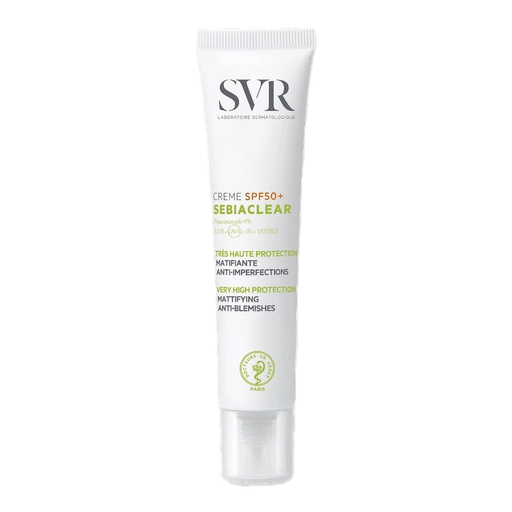
Why This Fits Their Persona: Specifically for those with oily, blemish-prone skin. This product provides very high sun protection without clogging pores or leaving a greasy feeling, while also working to regulate sebum.
This product specifically addresses the needs of a particular skin type, thus avoiding the "one-size-fits-all" trap. It combines high broad-spectrum protection (SPF 50+) with active ingredients like niacinamide, which target sebum regulation and the reduction of blemishes.
The formula is non-comedogenic and designed for a matte finish. It offers very high UVA/UVB protection and contains active ingredients to combat shine and blemishes.
We have compiled a complete, up-to-date list of products that fully meet these strict selection criteria and EU safety regulations.
Yes, year-round application is recommended. UVA rays, which are a major contributor to skin ageing, can penetrate clouds and window glass. A daily day cream with UV protection is therefore a consistent measure to protect the skin from long-term photodamage.
For normal daily life (e.g., commuting to work, short periods outdoors), a day cream with SPF 30 or 50 is generally sufficient. However, during intense and prolonged sun exposure, such as on a summer holiday, during outdoor sports, or at the beach, a dedicated face sunscreen should be used. These are often more water- and sweat-resistant and should be reapplied every two hours to maintain protection.
Look for products labelled as "suitable for sensitive skin" or "hypoallergenic." Formulations with mineral filters (Zinc Oxide, Titanium Dioxide) are often better tolerated. It is also advisable to look for products free of fragrance and alcohol. Before the first full-face application, perform a patch test by applying a small amount of the product to an inconspicuous area, such as the inside of your forearm, and wait 24 hours to check for any reaction.