
Lieferung heute & morgen

Qualitätsgarantie

Willkommens-Angebote freischalten: KOSTENLOSE Lieferung | Bis zu 80 % RABATT | Kostenlose 30-Tage-JoyPlus-Testphase
App herunterladen
When the days get shorter and natural sunlight fades, many people feel tired, unfocused, and listless. This phenomenon, known as the "winter blues," is a direct result of light deficiency. A daylight lamp can offer effective support by simulating the missing sunlight. However, the market can be overwhelming, and not every product delivers on its promises.
As your Joybuy Product Recommendation Officer, I'll help you identify the crucial features and avoid common purchasing mistakes. We'll focus on the facts so you can make an informed decision.
Common Pitfalls When Buying a Daylight Lamp:
To make the right choice, you should carefully examine three technical specifications. These determine the device's effectiveness, safety, and usability.
Illuminance, measured in lux, indicates how much light reaches a surface. For an effective "light shower" intended to compensate for a lack of sunlight, a value of 10,000 lux has been established as the reference. The specified distance is crucial here: a value of 10,000 lux is often only achieved at a short distance (e.g., 10–20 cm). Check the manufacturer's specifications carefully to ensure the lamp still provides sufficient brightness at a practical distance. Such a light therapy lamp is specifically designed for this purpose and is fundamentally different from a standard desk lamp.
Safety is the top priority. It is essential to ensure that the lamp is certified as UV-free. This guarantees that only the visible light spectrum is emitted and no harmful UV radiation reaches your eyes or skin.
Another quality feature is flicker-free technology. The flickering from budget LEDs, often imperceptible to the human eye, can lead to headaches, fatigue, and discomfort. A high-quality LED daylight lamp provides a steady and calm light that is perceived as pleasant.
Before buying, consider where you want to use the lamp. For the workplace, a compact daylight lamp for the desk with a stable base that can be positioned flexibly is ideal. Models with an adjustable tilt angle allow for indirect lighting from the side, which many users find more comfortable. The size of the light surface also plays a role: a larger surface distributes the light more evenly and can be used from a slightly greater distance.
Here is a selection of products tailored to different needs and use cases.

Why This Fits Their Persona: Ideal for users seeking a specific solution for light deficiency. Its compact format is designed for use at a desk or while travelling, making it easy to integrate a daily dose of light into your routine.
According to the manufacturer, this device delivers a light intensity of up to 10,000 lux and is explicitly designated as UV-free and flicker-free. It thus meets the core criteria for effective and safe use.
Compact design with an adjustable stand for horizontal or vertical operation. Simple one-button operation.
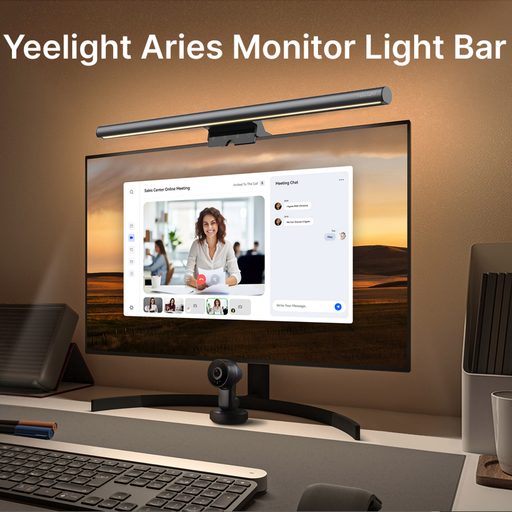
Why This Fits Their Persona: Perfect for professionals in a home office or corporate setting who want to optimise their workspace. The focus is on glare-free, eye-friendly desk illumination, not light therapy.
This product is not marketed as a therapy lamp. It solves a different problem: reducing screen glare and evenly illuminating the workspace to relieve eye strain.
Space-saving design by mounting directly on the monitor. Dimmable brightness and adjustable colour temperature for customised settings.

Why This Fits Their Persona: Suitable for users who need a simple, mobile, and budget-friendly light source for reading or hobbies. The rechargeable battery and clip-on base offer maximum flexibility.
This lamp is clearly positioned as a reading and task light and does not pretend to be a therapy device. Its value lies in its portability and affordable price, not in high light intensity.
Rechargeable battery for wireless operation. Flexible gooseneck and a practical clip for attaching to tables, shelves, or books.
We have compiled a comprehensive, up-to-date list of products that meet strict selection criteria and safety standards for specialised lighting solutions.
The recommended duration of use varies by model and personal need but is typically between 20 and 60 minutes per day. It is advisable to use the lamp preferably in the morning to support the natural circadian rhythm. Always follow the manufacturer's specific instructions.
Place the lamp on a stable, flat surface. Position it to your side at eye level so that you are not looking directly into the light source. A distance of about 20–60 cm is common, but here too, the manufacturer's specifications are crucial for achieving the stated lux value.
No. A standard LED lamp is not designed for light therapy. Crucial differences include a significantly higher light intensity (e.g., 10,000 lux), a colour temperature that mimics daylight, and certified UV-free and flicker-free features. Only lamps that meet these criteria are referred to as daylight or light therapy lamps.