
Lieferung heute & morgen

Qualitätsgarantie

Willkommens-Angebote freischalten: KOSTENLOSE Lieferung | Bis zu 80 % RABATT | Kostenlose 30-Tage-JoyPlus-Testphase
App herunterladen
As the days grow shorter and sunlight becomes scarce, many people feel tired, unmotivated, and down. This so-called "winter blues" is often a direct consequence of a lack of light. A daylight lamp can be an effective solution to compensate for this missing sunlight. However, the market is saturated and rife with marketing hype.
As your Joybuy Product Recommendation Officer, I'm here to help you separate the signal from the noise. In this guide, I'll show you which pitfalls to watch out for and which technical features truly matter.
Many buyers invest in a device that fails to meet their expectations. This is often due to clever marketing that obscures crucial disadvantages. Pay special attention to these three points:
To avoid a bad purchase, you should focus on verifiable technical facts. These three criteria are crucial for selecting an effective and safe light therapy lamp.
Illuminance, measured in lux, indicates how much light arrives on a surface. For effective light therapy for winter depression, a strength of 10,000 lux is recommended. The key here is the manufacturer's specification of the distance at which this value is achieved. A reputable product like the Beurer TL35 states it precisely: 10,000 lux at a distance of approx. 15 cm. If the distance is significantly greater, the illuminance drops rapidly. Therefore, always check if the specified distance is realistic for your intended use (e.g., at the breakfast table or desk).
The light from a light shower should imitate the spectrum of natural sunlight, but without its harmful components. Be sure to look for the "UV-free" or "100% UV Filter" label. This protects your eyes and skin from ultraviolet radiation. Equally important is that it is flicker-free. A flicker invisible to the eye can lead to concentration problems, fatigue, and headaches during prolonged use.
Certification as a medical device (identifiable, for example, by the CE mark with a four-digit number or references to the Medical Device Directive/Regulation) is an important quality feature. It confirms that the lamp for fatigue has been tested for its intended purpose. Also, look for a sturdy construction, a sufficiently large light surface for even light distribution, and ideally, additional features like a timer that automatically controls the recommended application time (often 30 minutes).
Not every lamp is suitable for every purpose. To clarify the differences, we have matched various lighting types to specific user profiles.
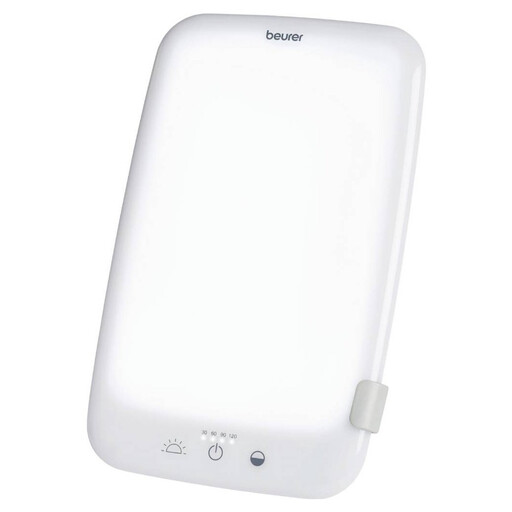
Why This Fits Their Persona: Ideal for health-conscious individuals seeking a verifiably effective and safe solution for winter fatigue. Fits perfectly on a desk or breakfast table for daily use.
This model is certified as a medical device and clearly states that 10,000 lux is achieved at a distance of 15 cm. It is explicitly designated as UV-free and flicker-free.
Features three colour temperature modes and a timer function (30-120 min.) for controlled application. The LED technology is energy-efficient.
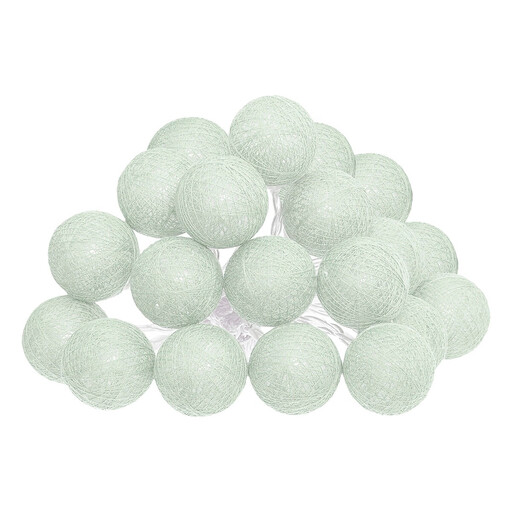
Why This Fits Their Persona: Perfect for users who want to create a cosy and decorative atmosphere in their living room or bedroom. The warm white light provides a sense of comfort.
This is not a daylight lamp. Its brightness and light colour are not designed for light therapy. It serves purely decorative purposes, thus avoiding false expectations.
Creates a soft, atmospheric ambiance. Easy to install via mains power and versatile for decoration.
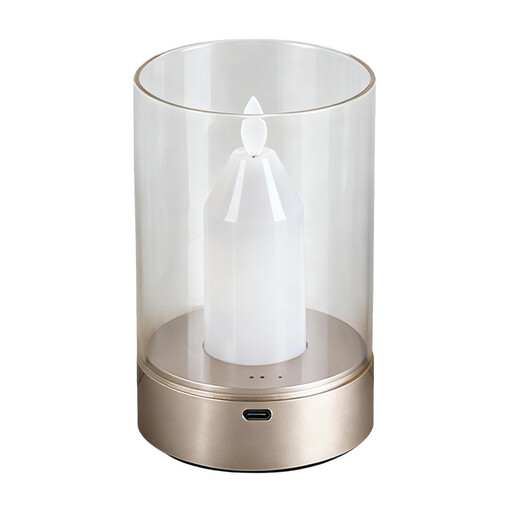
Why This Fits Their Persona: For anyone who appreciates the romantic atmosphere of candlelight without the associated fire hazard and soot. Ideal for households with children or pets.
This lamp simulates a very warm light at 3000K and has low brightness. It is clearly positioned as mood lighting and cannot be mistaken for a daylight lamp.
Safe operation thanks to LED technology. Rechargeable via USB-C and continuously dimmable for a customisable atmosphere.
We have compiled a complete, up-to-date list of products that fully meet these strict selection criteria and safety regulations.
The recommended duration of use is typically 30 minutes per day, preferably in the morning. This helps to regulate the sleep-wake cycle and inhibit the production of the sleep hormone melatonin. Position the lamp to your side so that the light falls on your face, but do not look directly into it.
Modern daylight lamps use energy-efficient LED technology. A device with a power consumption of, for example, 14 watts consumes very little electricity with 30 minutes of daily use. With an electricity price of 30 cents per kilowatt-hour, the annual operating costs would only amount to a few pounds.
No. A normal desk lamp, even if it is very bright, neither achieves the required illuminance of 10,000 lux nor does it have the correct light spectrum. Furthermore, it often lacks a UV filter. For safe and effective use, a device specifically designated as a daylight or light therapy lamp, and ideally certified as a medical device, is required.