If you have tall windows, start by checking the specific TV’s reflection measurements and how bright it gets in large, bright film scenes. A matt screen finish or an advertised HDR peak brightness won’t answer these questions on its own. Mini-LED LCD can be a good starting point if you mostly watch in daylight, while OLED may appeal for dark films in the evening, provided its reflection handling and brightness suit your viewing position. Placement, viewing distance and energy consumption should also factor into your decision.
Who this guide is for
Film fans dealing with window reflections
If you watch adventure films during the day and have tall windows in or opposite your field of view, consider reflections and how easy the screen is to see in daylight together. RTINGS.com covers direct reflections and TVs for bright rooms in dedicated tests and round-ups.
Home cinema for day and evening
If you switch between watching in daylight and having film nights in a darkened room, assess bright scenes and dark areas of the picture separately. RTINGS.com also compares OLED and Mini-LED TVs in different room lighting conditions.
Living rooms with several seating positions
For watching films together, viewing distance, viewing angles and the space available for the TV matter just as much as screen size. Which? recommends measuring your usual viewing distance before you buy.
What to look for when buying
First, check how the specific model performs in the light from your windows. Then weigh up film contrast, a suitable screen size and ongoing energy use. Technology names and individual peak figures are no substitute for checking the model itself.
| What matters |
What to look for when buying |
Who should pay particular attention |
| Window reflections and daylight |
Check direct reflections on the specific model; also consider its brightness in large, bright scenes. |
If there’s a tall window opposite the screen, I want to avoid reflections and film scenes that are hard to see. Around 36% of consumers would put reflection handling at the top of their list. |
| Contrast in bright and dark scenes |
Look at tests of dark film scenes in ambient light; compare local dimming on LCD models and the performance of the specific OLED model. |
If I watch adventure films with dark scenes in the evening too, contrast matters as much as daylight performance. Around 29% of consumers would prioritise film contrast. |
| Screen size and seating |
Measure your viewing distance and available space; check the dimensions of your chosen size and the view from seats to the side. |
If several people watch together, I need a screen that suits the viewing distance and seating positions. Around 21% of consumers would prioritise how well the TV fits the room and seating arrangement. |
| Energy use and additional services |
Check the EU energy label for the exact model variant, including its SDR and HDR figures; confirm what delivery and installation include before ordering. |
If I regularly watch bright or HDR content, I want to get an idea of energy use and any extra services I’ll need in advance. Around 14% of consumers would put these points at the top of their list. |
Avoiding common buying mistakes
-
Focusing only on the advertised HDR peak brightness
A peak figure tells you neither how distracting direct reflections from windows will be nor, on its own, how bright a large film scene will look.
Check the specific model’s reflection handling and brightness together.
-
Assuming a matt screen finish automatically gives you the right picture for films
The screen finish affects reflections and can also change how dark areas look in ambient light.
Compare tests of reflections and black levels in similar lighting conditions.
-
Choosing Mini-LED or OLED based on the technology name alone
Mini-LED may be worth considering in a bright room, while OLED can suit dark films in the evening. Reflection handling also varies by model.
Think about how you watch during the day and in the evening, then check the test results for the model you’re considering.
-
Overlooking energy use and additional services
Energy consumption also depends on how you use the TV, while delivery and installation arrangements can vary from one order to another.
Check the EU energy label for the exact variant and confirm in advance which services are included.
Brands to consider
Sony
The BRAVIA 9 II is an RGB LED option for bright rooms. RTINGS.com highlights the brightness and reflection handling of the model it tested. This doesn’t guarantee a reflection-free view opposite a window or the same results across every screen size.
- RTINGS.com’s test considers the brightness and reflections of the model tested.
- Check measurements for the specific model and screen size you’re considering.
LG
The OLED evo G6 range is an OLED option for film contrast. For the OLED65G66LS, LG lists “Reflection Free Premium” and Dolby Vision. These are manufacturer claims, not independent measurements taken at your window-facing viewing position.
- The model combines OLED with the picture features specified by LG.
- Assess reflections and brightness using tests of the specific model.
TCL
The Q7C range is a QD Mini-LED option available in several sizes, including the 75Q7C. TCL lists local dimming and a native refresh rate of 144 Hz. Advertised peak figures alone don’t show how the TV will handle reflections from your viewing position.
- The manufacturer lists local dimming and 144 Hz for the range.
- Compare reflection handling and film performance for the size you’ve chosen, rather than assuming specifications apply across the whole range.
Hisense
The 65U8Q is a Mini-LED option with the VIDAA interface. Hisense advertises Anti-Reflection PRO and Mini-LED PRO for this specific model; this doesn’t amount to an independent comparison with other TVs.
- The manufacturer’s claims relate to the specific 65U8Q model.
- Check independent measurements before deciding whether it’s right for your window-facing viewing position.
Joybuy models at a glance
The Joybuy models below include Mini-LED LCD and OLED options in a range of screen sizes. Manufacturer claims about reflection handling or brightness are no substitute for measurements of the specific model in your own window-facing viewing position.
 No image available
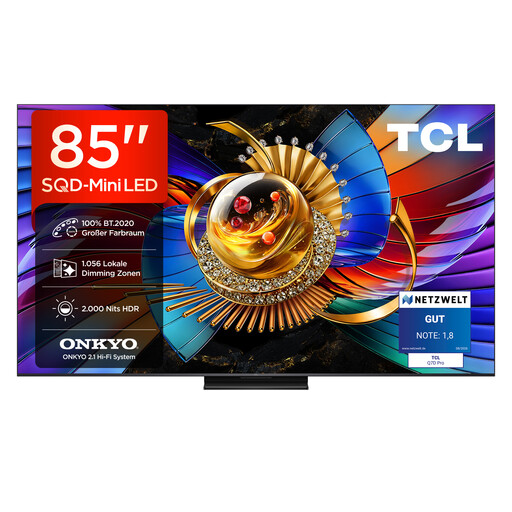
TCL 85Q7D PRO, 85-inch
For watching films in daylight, the listed features make this LCD an option to investigate further. They aren’t independent measurements taken at your own window-facing viewing position.
- The product title lists SQD Mini LED, 4K and local dimming with 1,056 zones.
- Other details in the title include 2,000 nits HDR, Anti-Reflection and 144 Hz.
View at Joybuy
 No image available
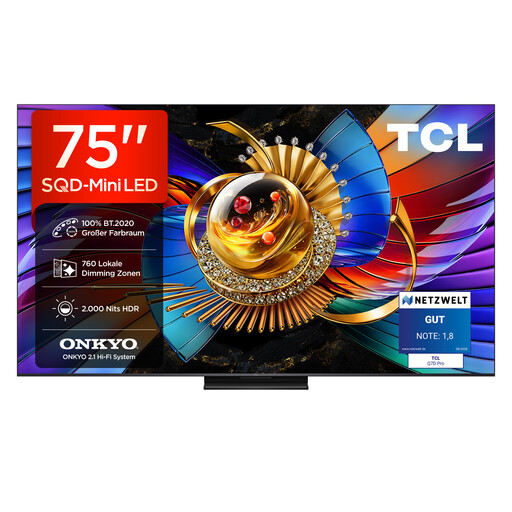
TCL 75Q7D PRO, 75-inch
If you’re comparing LCD TVs for a bright room, check this model’s reflections and brightness using specific test results, rather than relying on the product details alone.
- The product title lists SQD Mini LED, 4K and local dimming with 760 zones.
- Other details in the title include 2,000 nits HDR, Anti-Reflection and 144 Hz.
View at Joybuy
 No image available
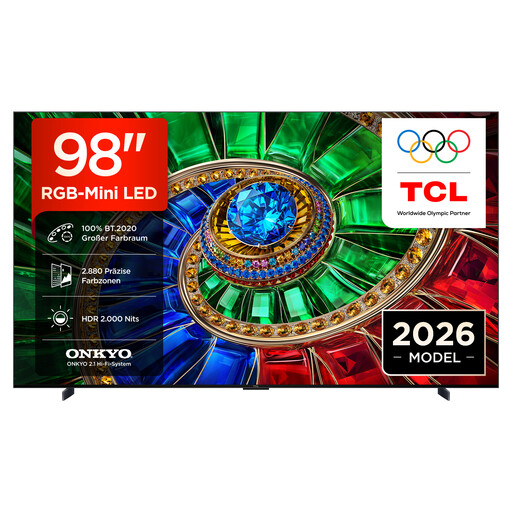
TCL 98RM7L RGB Mini LED, 98-inch
With such a large screen, it’s particularly important to measure your viewing distance and available space before choosing. Check the reflection and brightness details for this specific model.
- The product title lists 4K and 2,160 RGB Colour Zones.
- Other details in the title include 2,000 nits peak brightness and 144 Hz VRR.
View at Joybuy
 No image available
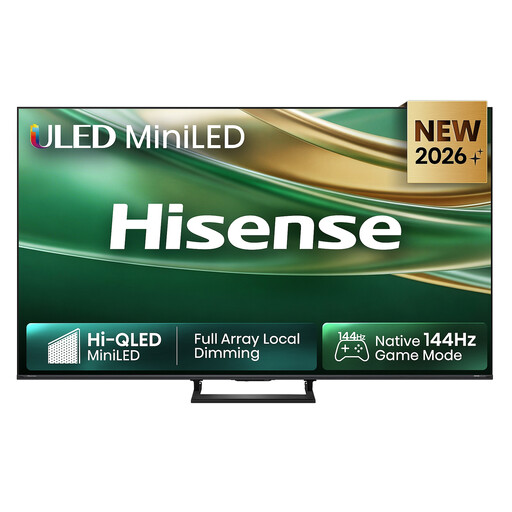
Hisense 75E8S, 75-inch, MiniLED 4K
If you’re comparing Mini-LED models for daylight viewing, refer to reflection and brightness results for the specific variant.
- The product title lists QLED, MiniLED and 144 Hz.
- Other details in the title include Dolby Vision, VRR, ALLM and VIDAA OS.
View at Joybuy
 No image available
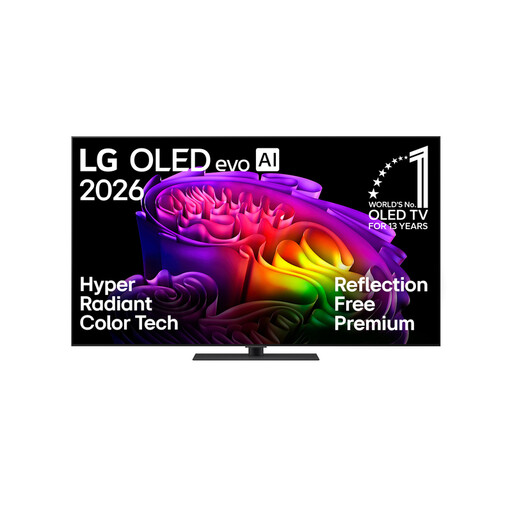
LG OLED65G66LS OLED evo AI G6, 65-inch, 4K
OLED may appeal for film nights with dark scenes, provided the specific model’s brightness and reflection handling suit your room. If you regularly leave static images on screen for long periods, bear in mind the risk of OLED screen burn-in.
- The product title lists up to 165 Hz, as well as Dolby Vision and Dolby Atmos.
- Other details in the title include G-SYNC, FreeSync Premium and webOS.
View at Joybuy
Frequently asked questions
Is a matt screen finish enough to deal with tall windows?
No. A matt finish alone doesn’t tell you how well a particular model handles direct reflections. Compare measurements for reflections and black levels in ambient light. If there’s a window opposite the TV, changing its position or temporarily blocking the light may also help.
What should I measure before positioning the TV?
Measure your usual viewing distance and the space for the TV, including its stand or planned wall mount. From your actual viewing position, check whether there’s a tall window opposite the screen.
How can I compare energy use, and what are my rights when buying online?
Compare the EU energy label for the exact model variant, which also includes information about HDR use. Which? distinguishes your statutory rights against the seller from a voluntary guarantee. In Germany, online purchases of goods generally come with a 14-day right to cancel, starting from the day you receive the goods.
Can I put my old TV in the household rubbish?
No. The German Environment Agency advises that waste electrical equipment must be collected separately; local collection points generally accept it free of charge. If you’re having a new TV delivered, check the terms for having your old appliance taken away.


