
Lieferung heute & morgen

Qualitätsgarantie

Willkommens-Angebote freischalten: KOSTENLOSE Lieferung | Bis zu 80 % RABATT | Kostenlose 30-Tage-JoyPlus-Testphase
App herunterladen
A good deck chair can transform your garden, balcony, or a day at the beach into a small oasis of relaxation. But the search for the right model can quickly become overwhelming. Many products promise more than they deliver, leading to disappointment. As your Joybuy Product Recommendation Officer, I'll help you identify the typical pitfalls and make an informed decision.
Before you invest, you should be aware of the three most common problems that can make you regret a seemingly good purchase:
To avoid these pitfalls, you should focus on objective and verifiable features. Instead of being swayed by marketing promises, check the following three core parameters.
The frame is the foundation of any sun lounger. The choice of material directly impacts weight, durability, and maintenance.
The cover not only determines your comfort but also how well your deck chair withstands the elements.
Functionality determines how flexibly you can use your deck chair.
Here are some models that are well-suited for specific use cases based on objective features.
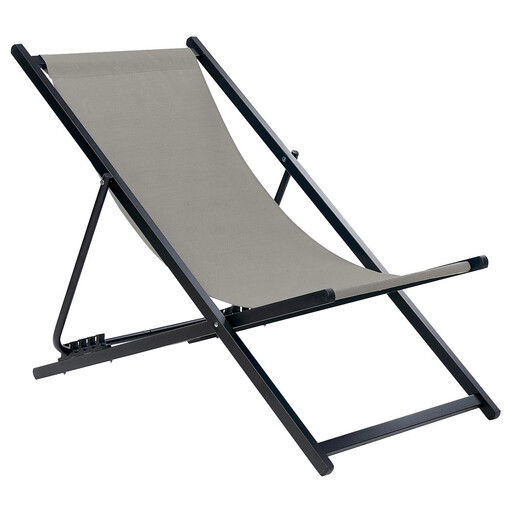
Why this model is a great fit: The lightweight aluminium frame and slim, foldable design make this chair ideal for use on a balcony where space and weight are a concern. The modern design fits well in urban environments.
The powder-coated aluminium frame is rust-resistant, and the mesh fabric is water-repellent. This bypasses the pitfall of poor weather resistance.
The 5-position adjustable backrest offers great flexibility for various sitting and reclining positions. The breathable fabric ensures comfort even on hot days.
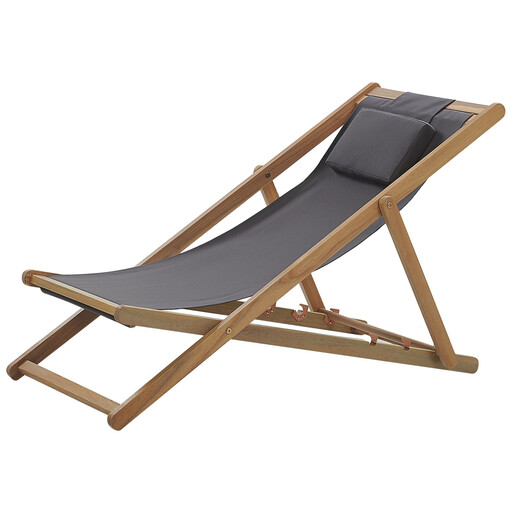
Why this model is a great fit: With its oiled acacia wood frame and simple, Scandinavian-inspired style, this deck chair is an aesthetic addition to gardens and patios with a natural ambiance.
The sturdy construction from solid acacia wood addresses the problem of instability. The material is naturally robust and durable, provided it is maintained.
The model is delivered pre-assembled, which eliminates assembly errors. The 3-position adjustable backrest and included headrest pillow provide solid comfort.
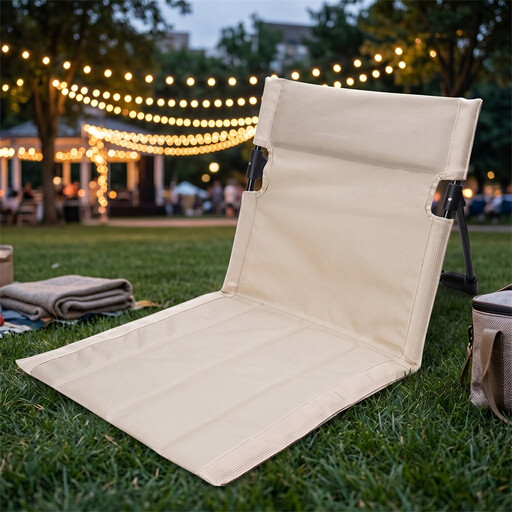
Why this model is a great fit: This product is less of a classic deck chair and more of an extremely lightweight and portable lounger mat with an adjustable backrest. It's ideal for the beach, festivals, or picnics where maximum portability is required.
This model avoids the "impractical design" pitfall by being consistently designed for minimal weight and pack size. It doesn't promise massive stability, but rather maximum mobility.
Maximum portability. The extremely low weight and compact folded size make transport and storage effortless. Its simple construction is purpose-built for mobile use.
We have compiled a complete, up-to-date list of products that fully meet these strict selection criteria and UK safety regulations.
A wooden garden lounger, especially one made of acacia, requires regular care to remain weather-resistant. Clean the wood with a mild soap solution and a soft cloth. To protect the wood from drying out and moisture, it should be re-treated with a suitable care oil at least once a year, preferably before storing it for the winter. Store the chair in a dry, protected place over the winter or use a protective cover.
The UV resistance rating, often specified according to standards like ISO 105-B02, is an objective measure of how well a fabric resists fading from sun exposure. The scale typically ranges from 1 (very low resistance) to 8 (excellent resistance). A value of 4 or 5 is considered a good standard for garden furniture and ensures that the cover's colour will last for several seasons.
Both materials have their merits. An aluminium deck chair is generally lighter and often folds more compactly, making it a practical choice for small balconies. It can be moved and stored effortlessly. A wooden deck chair offers a warm, natural aesthetic but is usually heavier and can take up more space when folded. The decision depends on your priorities: flexibility and low weight (aluminium) versus classic design and robustness (wood).