
Lieferung heute & morgen

Qualitätsgarantie

Willkommens-Angebote freischalten: KOSTENLOSE Lieferung | Bis zu 80 % RABATT | Kostenlose 30-Tage-JoyPlus-Testphase
App herunterladen
Decorative bowls and serving trays combine table decoration, storage and everyday practicality. They can hold fruit, snacks, jewellery or keys, while also serving as an attractive home accessory on the coffee table, in the dining room or on the dressing table. To ensure your decorative purchase does not become an unused dust trap, check the material, dimensions and care instructions before ordering.
A decorative bowl is not automatically suitable as a serving bowl. Open metal or aluminium bowls may be intended for fruit or decoration, but not for moist foods, the dishwasher or microwave. Even with a ceramic bowl, the product description should clearly state whether it is food-safe and dishwasher-safe.
Product images often do not show the scale accurately. A large fruit bowl with a diameter of 35 or 40 cm requires considerably more space than a jewellery bowl measuring around 11 cm across. Before buying, it is worth marking out the required space on the table using a tape measure or a sheet of paper. With a serving tray, the internal surface, rim height and handle position are also important.
Wood, metal, ceramic and cement require different care. A wooden bowl should generally not be soaked and often cannot be put in the dishwasher. With coated metal, abrasive cleaning products can damage the surface. These restrictions are not a minor detail: they affect how practical the product will be in everyday use.
A compact decorative bowl is often all you need for a small side table. A fruit bowl for everyday use should have a sufficient diameter and a stable base. For example, a salad bowl with a diameter of 26 cm and a capacity of 2,000 ml is suitable for larger portions, while a serving bowl with four compartments keeps snacks and dips separate.
When choosing a tray, portability and handle design are just as important as the external dimensions. The MyGift tray measures 16,53 × 12,25 × 1,47 inches, or approximately 42,0 × 31,1 × 3,7 cm. The rounded cut-out handles make it easier to carry drinks or small dishes.
Before buying, check:
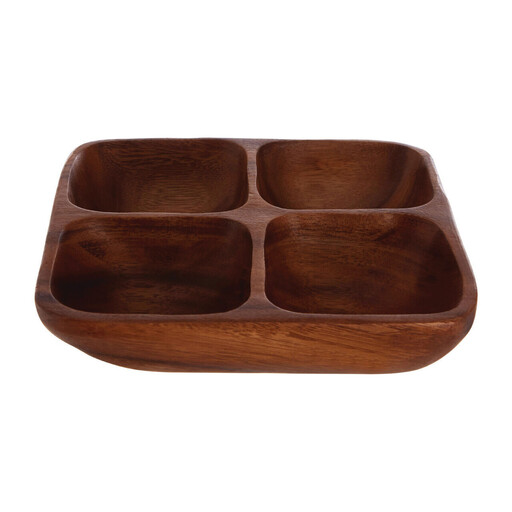
Why this product suits the profile: This compact acacia wood serving bowl has four separate compartments for snacks, dips and spices, with no assembly required.
The dimensions of 21 × 21 cm and the four compartments are clearly specified. This makes it easier to estimate the required space in advance.
Solid acacia wood, four equally sized sections and a weight of approximately 0,60 kg. Clean with a damp cloth; not intended for dishwasher use or soaking.
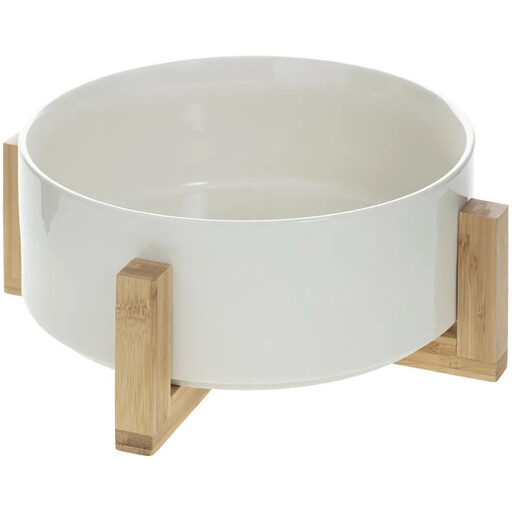
Why this product suits the profile: The round ceramic bowl with bamboo stand combines a defined standing height with a neutral white surface for the kitchen and dining room.
The diameter and height are specified as approximately 23 and 11 cm respectively. The bowl is listed as dishwasher-safe, while its breakable nature is also highlighted.
Ceramic body, bamboo support, round format and BPA-free product specification. Suitable for fruit, salad or bread, provided the stated intended use is observed.
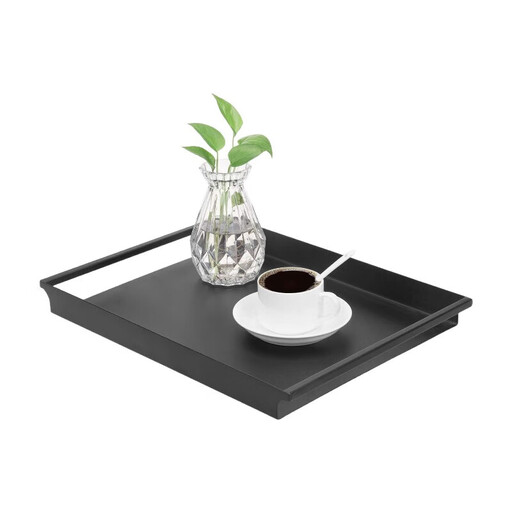
Why this product suits the profile: This rectangular serving tray is designed for drinks, snacks and storage on an ottoman, coffee table or dressing table.
The external dimensions, metal construction and rounded cut-out handles are clearly specified. Care is limited to wiping with a dry cloth.
Matt black metal surface, rectangular shape and integrated carrying handles. No assembly required.
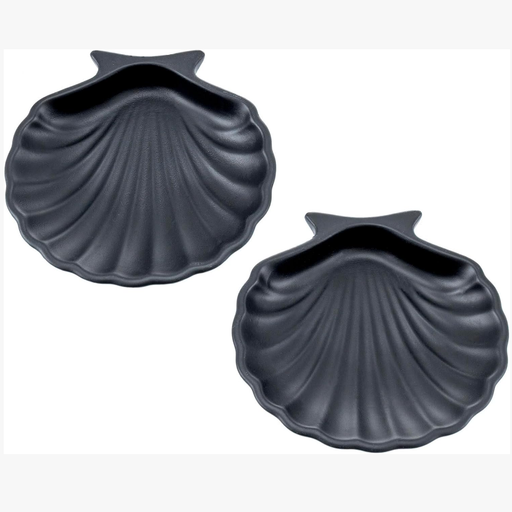
Why this product suits the profile: Two compact jewellery bowls provide separate spaces for rings, earrings, coins or keys.
The dimensions of approximately 10,9 × 10,9 × 2,5 cm each make it clear that these are storage bowls, not serving dishes.
Set of two bowls, black cement and one storage surface per bowl. Clean with a dry cloth; avoid moisture and harsh cleaning products.
We have put together a complete, regularly updated list of products that fully meet these strict selection criteria and the safety regulations applicable in the EU.
For fruit, a stable fruit bowl with a sufficient diameter is a sensible choice. For salad, the serving bowl should be explicitly intended for food use. A large acacia wood salad bowl with a diameter of 26 cm offers room for larger portions, but according to the product specifications it is not suitable for the dishwasher, microwave or soaking.
Their lifespan depends on the material, level of use and care. Wood stays looking attractive for longer when cleaned gently and kept dry; ceramic can break if knocked; aluminium and metal should be protected from scratches and harsh cleaning products. Regular visual checks for cracks, chips or unstable bases help ensure safe use.
A serving tray normally has no ongoing energy costs, as it does not require electricity. Instead, the relevant costs are the purchase price, cleaning and, where necessary, replacement if the surface becomes damaged. Choosing a product that suits its intended use and care requirements helps reduce unnecessary follow-on costs.