
Lieferung heute & morgen

Qualitätsgarantie

Willkommens-Angebote freischalten: KOSTENLOSE Lieferung | Bis zu 80 % RABATT | Kostenlose 30-Tage-JoyPlus-Testphase
App herunterladen
Decorative cushions, also known as accent pillows or sofa cushions, serve a dual purpose in any living space: they act as a design element to accentuate furniture while also enhancing seating and reclining comfort. Selecting the right cushion involves an analysis of its material, size, filling, and construction quality. This guide breaks down the key technical parameters and presents a selection of products designed to meet specific requirements.
The decision to purchase a decorative cushion should be based on tangible characteristics. The following aspects are of central importance.
The material composition determines the cushion's tactile feel, appearance, durability, and maintenance requirements.
Cover Fabrics:
Filling Materials:
The cushion's size should be proportional to the piece of furniture on which it is placed.
A cushion's longevity and hygiene depend significantly on its construction. A removable cover with a zipper is a key quality feature. It allows for separate and straightforward cleaning of the cover according to the manufacturer's instructions, thereby extending the lifespan of the entire cushion.
The following selection is based on an analysis of product specifications and their functional suitability for various applications.
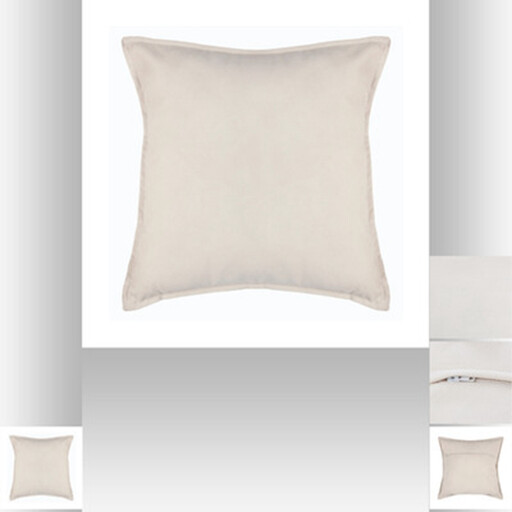
Why we recommend this product: This cushion combines a neutral ivory colourway with the standard 45x45 cm dimensions. These features make it a universally versatile home accessory that seamlessly integrates into both classic and modern interior styles. The polyester filling ensures stable form and consistent volume.
Advantages:
Who it's for: Users looking for a functional and visually understated soft cushion as a foundational element for their decor. It is suitable as a complement to more striking cushions or as a standalone, subtle sofa cushion.
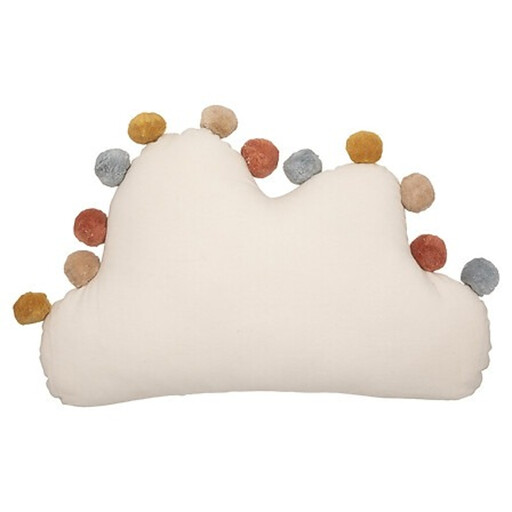
Why we recommend this product: This product stands out with its multi-coloured pom-pom design, which creates a deliberate visual accent. The rectangular 30 x 50 cm format offers an alternative to the standard square and works well in combination with other cushion shapes or as a supportive element for the lumbar region.
Advantages:
Who it's for: Individuals who want to use a single colourful cushion as a decorative highlight to add a dynamic touch to an otherwise minimalist interior concept.
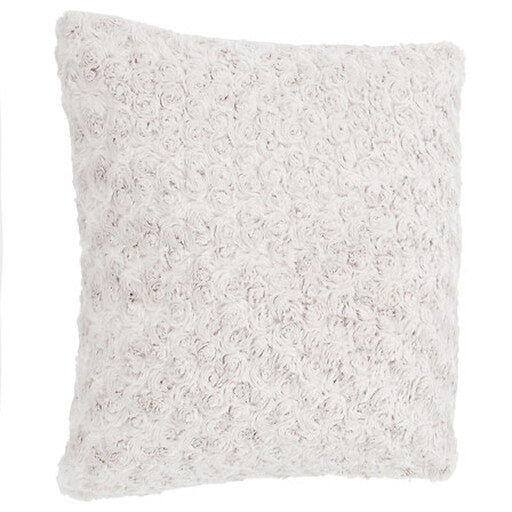
Why we recommend this product: This bouclé cushion taps into an established interior design trend with its textured surface. A key functional advantage is its removable cover, which significantly simplifies cleaning. The ecru colour (beige cushion) creates a warm feel and integrates easily into various colour schemes.
Advantages:
Who it's for: Design enthusiasts who value texture and a modern, comfortable aesthetic. Ideal for living rooms and bedrooms where the goal is to create a cosy and stylish environment.
For maximum flexibility, it is possible to purchase cushion covers and fillings separately. This approach allows you to change the look of your cushions seasonally or to customise the firmness of the filling. For those who already own suitable covers or prefer a specific quality of filling, selecting components separately offers a tailored solution. You can find a selection of filling materials in various sizes and qualities in our Cushion Inserts category.
1. How many decorative cushions are appropriate for a sofa? The number depends on the size of the sofa and the desired style. An odd number of cushions (e.g., three or five) is often perceived as more visually dynamic. For a typical three-seater sofa, a 2-2-1 arrangement (two cushions on each side, one central accent cushion) is a common method for achieving a balanced look.
2. What cushions go with a beige sofa? A beige sofa provides a neutral foundation. For a harmonious, monochromatic look, beige cushions or those in other earth and cream tones are suitable. To create visual contrast, you can use cushions in bold colours like navy blue, forest green, rust red, or even patterned versions. The choice depends on the desired room ambiance.
3. What characterises bouclé fabric? Bouclé is a fabric whose surface is defined by the use of novelty yarns with small loops, curls, or nubs. This irregular structure gives the fabric a distinctly tactile, almost granular feel. The material is often prized for its ability to create a cosy yet elegant atmosphere.