
Lieferung heute & morgen

Qualitätsgarantie

Willkommens-Angebote freischalten: KOSTENLOSE Lieferung | Bis zu 80 % RABATT | Kostenlose 30-Tage-JoyPlus-Testphase
App herunterladen
Decorative cushions can transform the feel of a room with minimal effort. They can structure a sofa, make an armchair more comfortable, or add colour accents to a bed. At the same time, eye-catching product images and unclear specifications can quickly lead to the wrong purchase. If you're looking to buy decorative cushions, you should pay attention not only to colour and pattern, but also to dimensions, filling, cover and care instructions.
A 30x50 cm cushion looks very different from a square 40x40 cm model. On a deep sofa, small cushions can look lost, while several large cushions can significantly reduce the seating area. Before buying, you should therefore measure the available space and the intended use.
For backrests and beds in particular, oblong formats such as 30x50 cm cushions are ideal. For chairs, additional seating areas or the floor, square variants are often more practical.
A textured surface, fringes or pom-poms can look decorative. However, they can be more time-consuming to clean than a smooth cover. If details about hand washing, machine washing or spot cleaning are missing, it's difficult to assess long-term use.
Pay attention to the labelling of the cover material and to specific care instructions. With light colours such as Ivory cushions, visible soiling is also more likely than with darker shades.
Not every decorative cushion is designed for permanent seating. Soft fillings can be pleasant for short rests, whereas chair cushions or floor cushions have different requirements for shape retention and thickness. If you intend to use a cushion regularly for sitting, you should compare dimensions, height and filling material carefully.
For sofas and beds, rectangular sofa cushions or oblong decorative cushions are versatile. The 30x50 cm format combines well with square cushions and is suitable for decorative cushions for sofa and bed.
Also check whether the stated dimensions describe the outer measurements including the cover, or just the filling.
Cotton can feel grippy and natural, while polyester is often used for easy-care covers or fillings. Blended fabrics of cotton and polyester combine different material properties, but should be assessed based on the specific product details.
With a cotton cushion, it's important to distinguish whether only the cover or also the filling is made of cotton. Recycled cotton fillings, polyester fibres and foam differ in terms of weight, volume and care. A general statement about durability is not possible without knowing the exact construction and usage.
Neutral colours such as Grey cushions and Ivory cushions suit many pieces of furniture and can be combined with coloured accents. Blue cushions can create a clear contrast in light or neutral living areas. When choosing, you should consider your existing curtains, rugs and upholstery so that the overall look doesn't feel cluttered.
Texture also plays a role: smooth fabrics appear understated, while textured covers create more depth. Decorative elements such as pom-poms should be placed where they won't constantly rub against clothing or delicate surfaces.
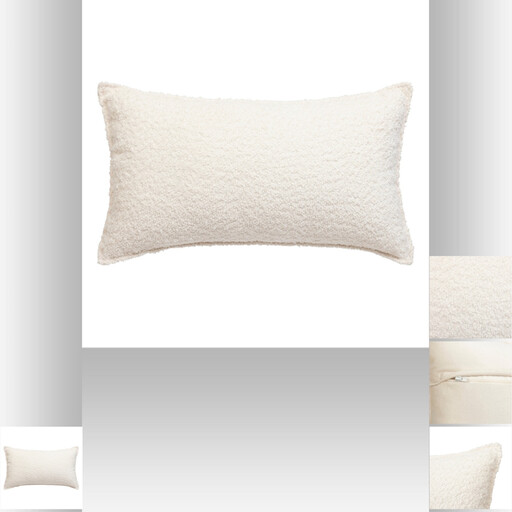
Why this product suits the profile: The oblong format and neutral Ivory colour make it easy to combine with existing sofas or bedding.
The dimensions are clearly stated, so you can check before buying whether the cushion fits the intended space.
30x50 cm; Ivory shade; according to the product description, intended for sofa, armchair or bed.
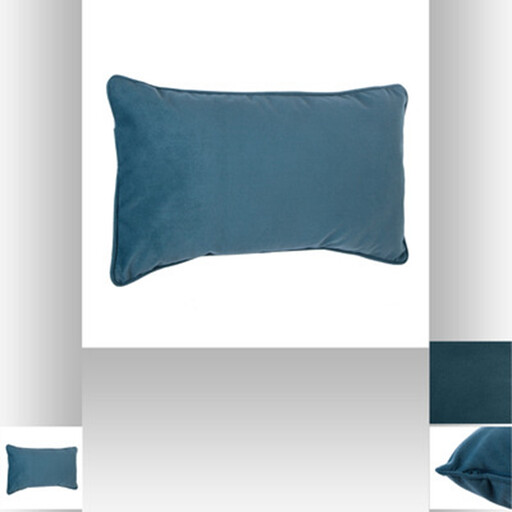
Why this product suits the profile: The blue shade creates a clear accent, while the specified material details allow for a targeted choice.
The cover and filling are stated as 100% polyester and polyester fibres respectively; the care instructions mention spot cleaning or hand washing.
30x50 cm; blue cover; no allergens listed in the provided product details.
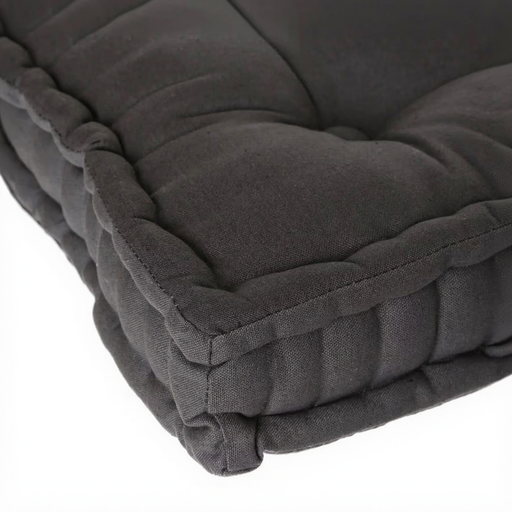
Why this product suits the profile: The square format with 8 cm height is designed for additional seating, chairs or floor use.
The seat height and its use as a floor or chair cushion are specifically stated, reducing the risk of choosing the wrong type for the purpose.
100% cotton cover; filling made from 100% recycled cotton; carrying handle; four buttons.
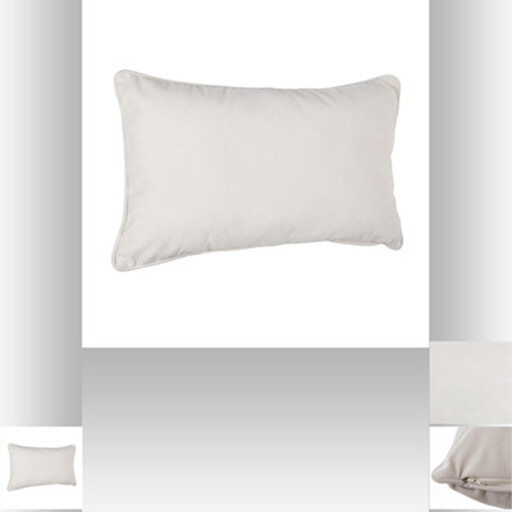
Why this product suits the profile: The Ivory colour and subtle texture are ideal for a calm appearance on a sofa, armchair or bed.
The care instructions refer to spot cleaning or the care label; bleaching and direct sunlight should be avoided.
30x50 cm; textured cover according to the product description; intended for multiple living areas.
Before using them for the first time, check the care label and follow the manufacturer's instructions. Small stains can often be treated on many decorative cushions, but the specific cleaning method depends on the cover. Cushions should be allowed to dry completely before being placed back on the sofa, bed or chair.
For seat cushions and floor cushions, it's a good idea to change their position regularly and gently fluff up the filling. This helps the shape stay more even. Decorative cushions should also be kept away from open flames or direct heat sources. For infants under twelve months, ordinary decorative cushions are not suitable as sleep support.
We have compiled a complete, regularly updated list of products that fully meet these strict selection criteria and the safety regulations in force in the EU.
For sofas, rectangular cushions measuring 30x50 cm are very versatile. They can be used individually as lumbar support or together with square sofa cushions. The depth of the seat and the width of the backrest are the deciding factors.
Decorative cushions are primarily for styling and additional padding. Seat cushions and chair cushions, on the other hand, are designed for direct pressure when sitting. Details about height, fastening, filling and cover help you tell them apart.
The lifespan depends on the material, workmanship, care and daily wear. Cushions used only for decoration are generally subjected to less stress than floor cushions or chair cushions. Regular fluffing, dry storage and appropriate cleaning can help preserve the shape and cover.