
Lieferung heute & morgen

Qualitätsgarantie

Willkommens-Angebote freischalten: KOSTENLOSE Lieferung | Bis zu 80 % RABATT | Kostenlose 30-Tage-JoyPlus-Testphase
App herunterladen
Decorative cushions can transform the look of a room without the need to replace any furniture. But unclear product details, unsuitable dimensions or high-maintenance fabrics can quickly lead to a disappointing purchase. So if you’re looking to buy decorative cushions, sofa cushions or a statement cushion, don’t focus solely on the colour and product photo.
A cushion can look bigger on screen than it really is. A 50 × 30 cm cushion may suit a narrow sofa, while a longer 40 × 80 cm style will create a very different look. Before you buy, mark out the available space with a tape measure or a sheet of newspaper.
The filling also affects how much space a cushion takes up. A firmly filled cushion may look bulkier than a flat cover. Compact sizes are often more practical for small armchairs or narrow sofas.
Descriptions such as ‘soft’, ‘velvety’ or ‘premium’ don’t automatically tell you how well a cushion will stand up to everyday use. Look for clear information about the cover fabric, filling, construction and care instructions. For example, chenille can feel soft and textured, while satin stripes create a smoother, more decorative finish.
If washing instructions, details of the fastening or information about the filling are missing, it’s worth taking a more cautious approach before buying. Care details are especially important for soft furnishings, as decorative cushions regularly collect dust and natural skin oils.
White and ivory cushions can look quite different in a bright room. Artificial lighting can make cream and ivory shades look warmer, while daylight tends to show them more neutrally. For a coordinated look, consider your existing curtains, rugs and wall colours.
A single cushion can add an accent. If you’re using several, choose shades from the same colour family or create a clear contrast. Different sizes add structure, and the cushions don’t all need to be made from the same fabric.
The right size depends on the furniture and how you plan to use the cushion:
A 50x30 cm chenille cushion can add both practical support and visual interest to the lower back area, thanks to its oblong shape. An ivory 30x50 cm cushion, on the other hand, is easy to pair with neutral or earthy shades.
Check the exact material and whether the cover can be removed. A zip makes cleaning easier, but only if the care label says the cover is machine washable. Take extra care with delicate finishes such as satin stripes.
Choose a texture that suits where you’ll use the cushion. Smooth fabrics often have a decorative look, while textured materials such as chenille feel softer and more tactile. For cushions for sofas and beds that get regular use, clear care instructions matter more than a promotional description of the fabric.
The filling determines whether a decorative cushion holds its shape or gives way easily. Check whether the seller provides details about the filling, its weight or how to plump it up. For longer cushions, the width of the inner filling should also match the cover, so there are no empty corners.
It’s also worth checking the stitching. Neatly finished edges and a secure fastening are practical features, particularly for cushions that are moved often or used for back support.
The styles below offer a range of sizes, colours and finishes to suit different needs. Each product page has the latest information on price, availability and care.
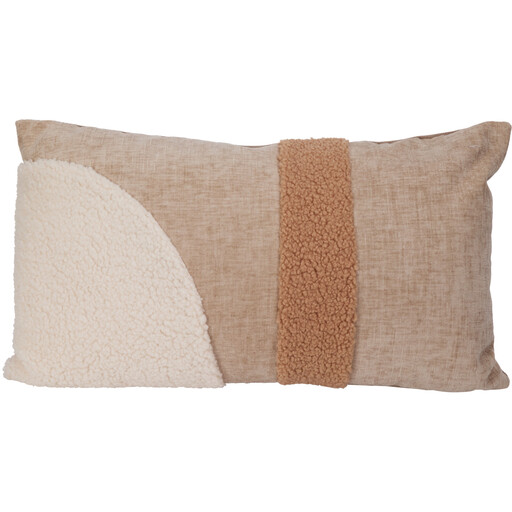
Why this product suits this shopper: The 50 × 30 cm size is easy to accommodate and works well on a sofa, armchair or bed. The chenille cover has a soft, textured finish that suits a subtle look at home.
The precise size makes it easier to check how much space you have before buying. The chenille finish is clearly specified rather than described only by a general colour.
Oblong 50 × 30 cm size; chenille finish with a soft, velvety texture.
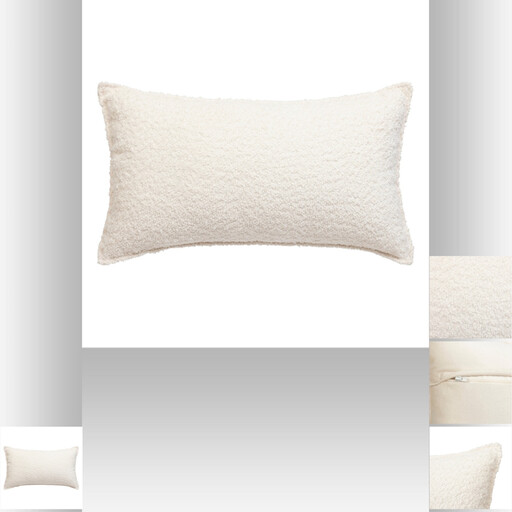
Why this product suits this shopper: The 30x50 cm ivory cushion complements neutral interiors and works on a sofa, armchair or bed. Its versatile colour pairs well with white, beige, grey and wood tones.
The specific colour name, ‘Ivory’, makes it easier to judge the shade than relying on a photo alone. The precise dimensions also reduce the risk of choosing a cushion with unsuitable proportions.
Versatile ivory design; compact 30 × 50 cm size for a range of seating and sleeping spaces.
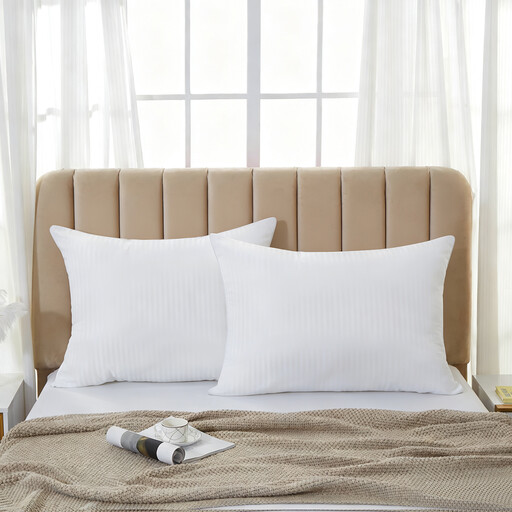
Why this product suits this shopper: The 40 × 80 cm oblong shape and twin-pack format are ideal for larger beds or wide sofas. White cushions create a clean, understated look.
The product name makes both the set size and exact dimensions clear. This makes it easier to work out how many you need for a larger space than when buying individual cushions with no size details.
Two cushions included, according to the product name; oblong 40 × 80 cm size with a satin-stripe design.
We’ve put together a complete, regularly updated list of products that meet these strict selection criteria and fully comply with the safety regulations in force in the EU.
For a sofa with a deep seat, try pairing an oblong sofa cushion with a smaller decorative cushion. On a bed, you can combine two longer styles with a more compact cushion in front. An armchair usually needs just one decorative cushion, leaving plenty of room to sit.
If you’re choosing white cushions, check the care instructions and consider how they’ll be used at home. Removable covers and more hard-wearing finishes can be more practical in households with children or pets. For a calm, coordinated look, ivory, beige and light grey are easy-to-match alternatives to pure white.
Many sofas suit cushions measuring 40 × 40 cm or 45 × 45 cm, or oblong styles such as 50 × 30 cm. The key things to consider are seat depth, backrest height and how many cushions you plan to use. Measure the available space before you buy.
Their lifespan depends on the cover, filling, seams, care and how often they’re used. Cushions that are regularly used for back support usually need more care than decorative cushions used purely for display. Clear information about materials and care, along with regular plumping, can make a difference.
Always follow the care label. Wash removable covers only using the programme and detergent specified. Delicate fabrics such as satin stripes may need particularly gentle handling. Regularly airing cushions and carefully vacuuming them helps remove dust without putting unnecessary strain on the cover.