
Lieferung heute & morgen

Qualitätsgarantie

Willkommens-Angebote freischalten: KOSTENLOSE Lieferung | Bis zu 80 % RABATT | Kostenlose 30-Tage-JoyPlus-Testphase
App herunterladen
Decorative door and window stickers can transform a room without drilling, painting or needing lots of materials. However, not every self-adhesive sticker is suitable for every surface. Smooth glass doors, painted interior doors, wallpaper and bathroom surfaces all have different requirements.
Three common buying mistakes can lead to unnecessary spending:
Self-adhesive stickers generally stick most reliably to clean, dry and smooth surfaces. Glass, coated doors and smooth plastic surfaces are usually easier to cover than textured wallpaper, untreated wood or porous paint.
Before applying your sticker, it’s a good idea to prepare the surface as follows:
For delicate paintwork or wallpaper, always follow the manufacturer’s advice. A product described as “removable” isn’t guaranteed to suit every wall finish.
When choosing a sticker, consider whether it’s going on a door, window, wall or bathroom surface. PVC wall stickers may be suitable for smooth indoor surfaces, but that doesn’t automatically mean they’re suitable for constant exposure to water.
If you’re choosing bathroom decorations, check the following in particular:
A toilet seat sticker should also be carefully aligned so that the edges don’t overhang or lift when you clean it. In a frequently used bathroom, a smooth surface that’s easy to reach is more practical than a textured one.
Before you buy, measure the door, window or section of wall. Remember to account for handles, hinges, window frames and sightlines. Door decor often looks more balanced if the design doesn’t end right next to an edge or fitting.
When removing a sticker:
For Christmas window stickers, also check that they’re designed for glass, whether they can be reused and whether the design is visible from inside or from both sides.

Why this product suits this need: The floral design is intended for decorating doors and for DIY projects. It’s a good option if you want to decorate a single surface without a complicated installation.
The design is intended for decorating a door, so you don’t need to assemble it from lots of unrelated elements. Check the measurements and surface before buying.
Floral design for a door; described as DIY decor and door decoration.
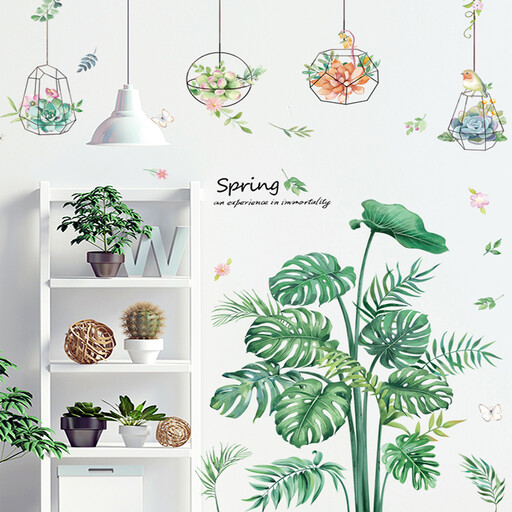
Why this product suits this need: This version is described as removable PVC wall stickers for living rooms, bedrooms, offices and other indoor spaces. You can check the material and recommended uses against the surface you have in mind.
The product name clearly states the material and that the stickers are removable. You’ll still need to test the surface, check the measurements and remove them carefully.
PVC material according to the product name; removable design; palm leaves as a nature-inspired motif.
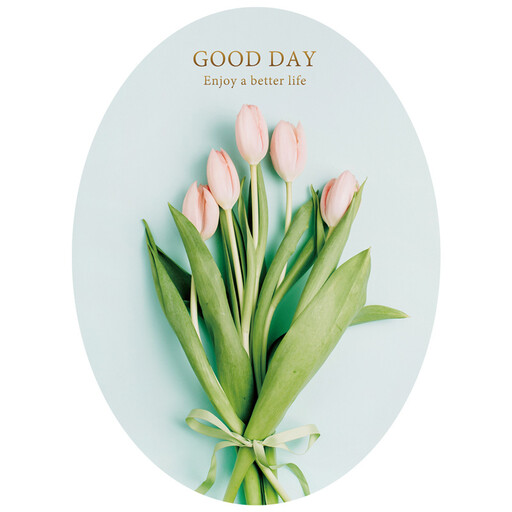
Why this product suits this need: This version is described for use on toilet seats, bathroom walls and in DIY projects. It’s aimed at anyone who wants to decorate a specific bathroom surface rather than a general wall.
Its intended use is more clearly stated than it is for general decorative stickers. Before applying it, check the seat shape and measurements, as well as whether it can withstand your cleaning products.
Plant and tulip design; self-adhesive; described as waterproof and removable in the product name.
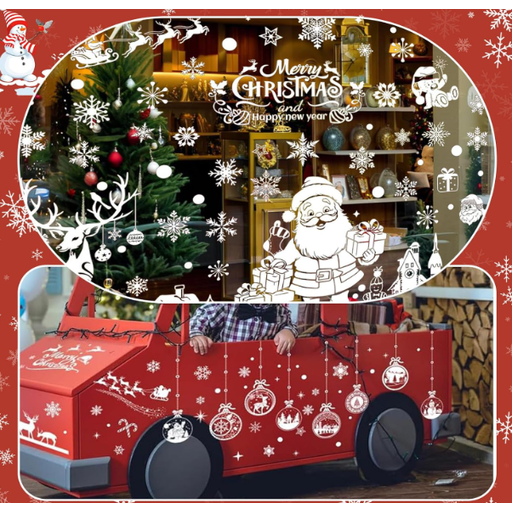
Why this product suits this need: The set is described for use on windows, in shops, offices and classrooms. Its snowflake and Christmas tree designs are ideal for temporary festive window decorations.
The product details specify nine sheets, a reusable design and double-sided decoration. This makes it easier to see what’s included than if the listing only described a single design.
Nine sheets according to the product name; reusable; double-sided design; snowflake and Christmas tree motifs.
We’ve put together a complete, regularly updated list of products that meet these strict selection criteria and fully comply with the safety regulations in force in the EU.
For doors, windows and walls, it’s best to apply stickers in a dry room at room temperature. Peel back only part of the backing paper to start. Then press the sticker down slowly, working from one edge. You can use a plastic card or soft squeegee to gently push air bubbles towards the edges.
If you’re applying several designs, such as flower stickers, leaf decorations or tropical wall decals, mark out the layout with removable tape first. This lets you check the spacing and viewing height before the adhesive touches the surface.
It depends on the adhesive, how long the sticker has been in place and the surface underneath. Smooth, sealed surfaces are usually easier to deal with than wallpaper or matt paint. Peeling slowly and testing an inconspicuous area first can reduce the risk of residue, but won’t guarantee that none is left behind.
It’s not possible to give a reliable lifespan without details about the material, adhesive, temperature, moisture and exposure to sunlight. Many decorative stickers are better suited to indoor surfaces away from direct heat and moisture than to heavily used outdoor areas.
As well as the product price, consider what’s included, how many pieces you’ll need and whether you might need replacements. Reusable Christmas window stickers can be a practical choice for seasonal use. For large DIY home-decor projects, the key question is how many individual pieces you’ll need to cover the area.