
Lieferung heute & morgen

Qualitätsgarantie

Willkommens-Angebote freischalten: KOSTENLOSE Lieferung | Bis zu 80 % RABATT | Kostenlose 30-Tage-JoyPlus-Testphase
App herunterladen
A carefully chosen decorative vase can completely transform the atmosphere of a room. It serves not only as a container for flowers but is also a standalone design object. However, the market is flooded with models whose appealing looks can mask functional flaws. Before you make a decision, it's crucial to understand the typical pitfalls that often only become apparent after the purchase.
This guide will help you identify the key features to find a vase that is not only aesthetically pleasing but also practical and durable for everyday use.
Many buyers focus primarily on design, but certain defects can quickly diminish the joy of the product. Watch out for these three common problems:
To avoid a bad purchase, you should check three technical aspects before making your decision. These determine the functionality and longevity of your new vase.
The material influences not only the appearance but also the functionality.
The stability of a vase is directly related to its design. A fundamental rule is: The diameter of the base should be in reasonable proportion to the overall height. A vase with a wide, heavy base and a low centre of gravity is significantly more stable. Cylindrical or bulbous shapes are often more stable than very tall, slender models with a narrow base. This is especially important if you are looking for a tall vase for pampas grass or other long-stemmed decorations.
The size of the vase opening determines what it is best suited for.
A vase set with different sizes and openings offers the greatest flexibility for various decorating ideas.
Instead of making a one-size-fits-all recommendation, we have selected models tailored to specific needs and interior styles.
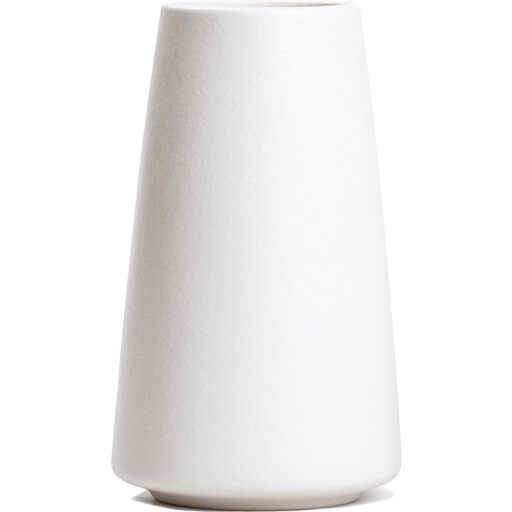
Why this model is a great fit: The clean, unadorned shape and matte finish make this porcelain vase a subtle highlight in modern or Scandinavian interiors. It puts the flowers front and centre without being overpowering.
The model is made of high-quality porcelain and is explicitly described as waterproof. This eliminates the risk of moisture seeping through.
Its compact size and balanced design ensure good stability as a table vase. The matte glaze is resistant to fingerprints.

Why this model is a great fit: With its warm terracotta colour and classic shape, this vase brings a cosy, natural atmosphere to any room. It's an ideal base for boho decor and pairs perfectly with dried flowers like pampas grass.
The bulbous shape with a wide base ensures high stability and prevents tipping, even with top-heavy dried flower arrangements.
The robust ceramic material is durable. The neutral colour tone blends effortlessly into various colour schemes and remains timeless across trends.
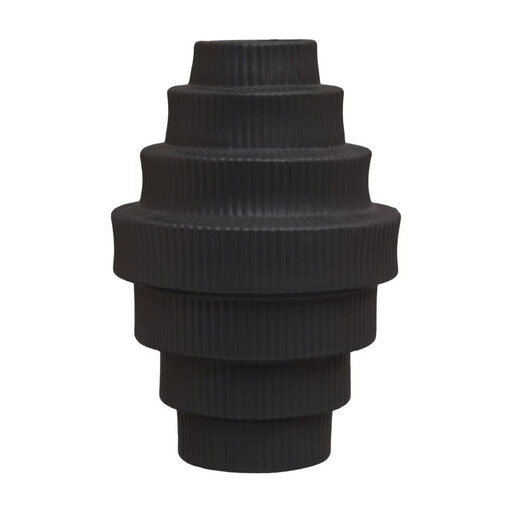
Why this model is a great fit: This vase is more sculpture than container. Its architectural, stepped form and ribbed texture make it an expressive statement piece that has a strong visual impact even without flowers.
The stepped structure creates a very wide and heavy base (18x18 cm), ensuring exceptional stability. The risk of tipping is minimised here.
The material (dolomite ceramic) is robust and gives the vase a substantial weight, which further enhances its stability. The design is an eye-catcher in any modern interior.
We have compiled a complete, up-to-date list of products that fully meet these strict selection criteria and safety standards.
1. How do I clean a decorative vase with a narrow neck? For vases with a narrow opening that you can't reach with your hand, there's a simple method: Fill the vase a quarter full with warm water, add a dash of washing-up liquid and a handful of uncooked rice. Shake the vase vigorously. The rice grains act as a gentle abrasive, removing deposits. Then rinse thoroughly.
2. What material is suitable for a large floor vase? For a large floor vase, heavy materials such as thick-walled ceramic, dolomite, heavy glass, or even metal are recommended. The high inherent weight provides the necessary stability to securely hold large branches or heavy flower arrangements without tipping over.
3. Is every ceramic vase waterproof? No. Waterproofing depends on the glaze. A ceramic vase that is fully glazed (sealed) on the inside will reliably hold water. Porous or only externally glazed ceramics can absorb moisture. If you are unsure, check the manufacturer's product description or use a separate, waterproof insert made of glass or plastic.