
Lieferung heute & morgen

Qualitätsgarantie

Willkommens-Angebote freischalten: KOSTENLOSE Lieferung | Bis zu 80 % RABATT | Kostenlose 30-Tage-JoyPlus-Testphase
App herunterladen
A carefully chosen decorative vase can significantly define the atmosphere of a room. It's more than just a container for flowers; it's a standalone design object. However, the market is flooded with products that look appealing at first glance but whose functional flaws only become apparent in daily use. To help you with your selection, we will highlight the crucial criteria and show you how to avoid common purchasing mistakes.
Before you make a decision, it's helpful to know the most common problems that can occur with low-quality or poorly designed vases.
To make an informed decision, you should consider three essential aspects: the material, the form in relation to its function, and the style that complements your interior.
The material determines not only the look but also the weight, care, and longevity of your vase.
The shape of your flower vase should not only be pleasing but also suit its intended purpose.
Here are some recommendations tailored to specific living styles and needs.
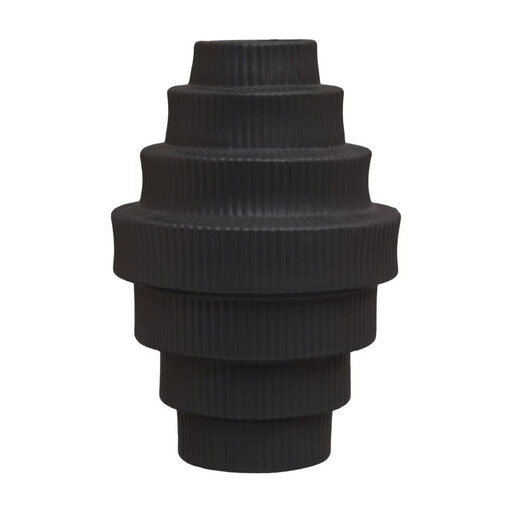
Why This Fits Their Persona: This model is designed for those seeking an architectural and bold decorative element. Its tiered shape and ribbed texture make it a focal point in modern or minimalist interiors.
The wide, stepped base ensures high stability and counteracts the risk of tipping, which is a common issue with tall vases.
The sculptural form made of dolomite ceramic makes the vase a complete decorative object even without flowers.

Why This Fits Their Persona: Perfect for anyone who appreciates a warm, rustic charm. The terracotta look and classic shape blend seamlessly into rustic or farmhouse-inspired interiors.
Although made of terracotta, it is clearly communicated that it is intended as a decorative object for shelves or mantelpieces. This manages expectations regarding its waterproofness.
Its compact size and timeless design make it a versatile accent piece that can find a place in almost any room.

Why This Fits Their Persona: This vase appeals to those who prefer a clean, understated aesthetic. The contrast between the smooth upper half and the ribbed base creates a subtle tension without appearing cluttered.
The tall, slender shape is stabilized by a wider base, reducing the risk of tipping when used with flowers. The material (dolomite) also provides a solid inherent weight.
The two-part design is visually appealing, and the high-quality ceramic finish ensures a durable, low-maintenance surface.
We have compiled a complete, up-to-date list of products that meet these strict selection criteria and current quality standards.
Not necessarily. While most glazed ceramic vases are waterproof, models made of porous material like unsealed terracotta or certain types of ceramic can leak water. Always check the product description or contact the manufacturer if you are unsure. As a rule of thumb, a shiny, smooth inner surface is a good indicator of waterproofness.
A good rule of proportion is that the vase (without flowers) should not take up more than one-third of the table's width or length. For a dining table, the total height of the vase and flowers should not block the view of the person across from you. On a side table or console, you have more freedom with height.
Matte and textured surfaces are more prone to dust and fingerprints. Use a soft, dry, or slightly damp microfibre cloth for cleaning. Absolutely avoid harsh cleaning agents or abrasive sponges, as they can permanently damage the surface. For stubborn dirt inside, a mixture of water and a little vinegar, applied with a bottle brush, can help.