
Lieferung heute & morgen

Qualitätsgarantie

Willkommens-Angebote freischalten: KOSTENLOSE Lieferung | Bis zu 80 % RABATT | Kostenlose 30-Tage-JoyPlus-Testphase
App herunterladen
Decorative vases can transform a room through their shape, colour and placement alone. At the same time, product images and generic advertising claims can easily lead to the wrong purchase: a vase might look large online, but turns out too short on the sideboard. Or it looks decorative, yet has such a narrow opening that it’s hardly suitable for the bouquet you had in mind.
As Joybuy Product Recommendation Officer, I’ve therefore organised the most important buying criteria around practical, everyday situations. This makes it easier to judge whether a ceramic vase, glass vase, vase set or a vase for dried flowers suits your home style and intended use.
Height alone tells you very little about how a vase will look. What really matters are the diameter, base size and opening. A tall, narrow vase can look lost on a low sideboard. A bulbous table-decor vase, on the other hand, needs plenty of space and shouldn’t be placed in a high-traffic area.
Before you buy, it’s a good idea to measure the surface where you plan to place it. For shelves and small side tables, compact models around 10 to 20 cm tall are usually easier to integrate. A vase for pampas grass or long artificial stems can be much taller, but it should have a stable base.
Not every decorative vase is designed for fresh flowers. With ceramic models, you should check whether the inside surface has a waterproof glaze. With metal or decorative objects, water can cause stains or corrosion. A glass vase is generally suitable for water, as long as the product description doesn’t state otherwise.
If you mainly use dried flowers, artificial stems or pampas grass, you can focus on shape, weight and opening width. For fresh flowers, an easy-to-clean interior and a stable base are also important.
“Modern vase”, “boho vase” or “farmhouse vase” primarily describe the design. What’s much more useful are verifiable details such as material, dimensions, colour, surface finish and what’s included. A matt black ceramic vase, for example, suits minimalist and modern interiors, while terracotta tones can add a warm accent to rustic rooms.
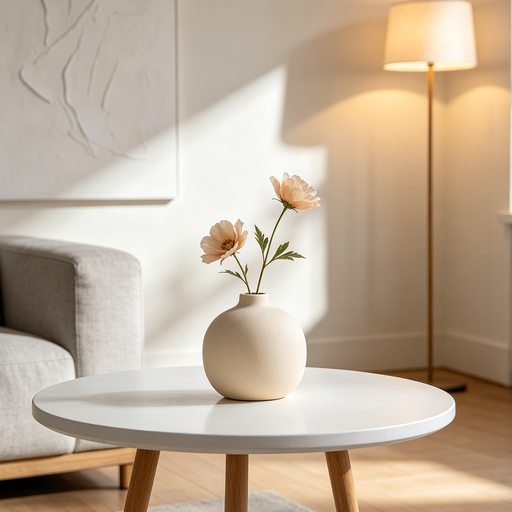
Why this product suits the profile: This compact ceramic vase measures around 9.5 cm tall and 10 cm wide. It’s ideal for bedside tables, shelves, desks or small table arrangements with single stems.
The specific small dimensions reduce the risk of buying a model that’s too large for a small surface. The narrow opening is designed for single roses, pampas stems or small dried flowers.
Ceramic body, neutral beige colour and suitability for both fresh flowers and dried arrangements. Care is with a soft cloth, according to the product information.
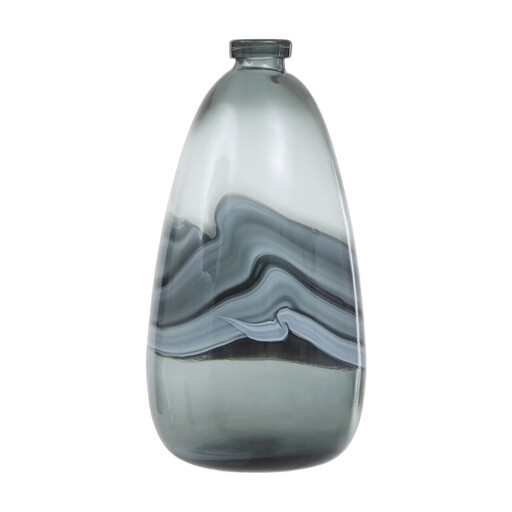
Why this product suits the profile: According to the product data, this glass vase is around 40 cm tall, has a diameter of 20 cm and a capacity of 12,000 ml. The narrow neck is suitable for long-stemmed flowers.
The stated dimensions and material make planning before purchase much easier. You can check whether the tall bottle shape fits on a sideboard and works with the stem length you have in mind.
Robust glass, grey colour gradient and a shape designed for long-stemmed arrangements. Care instructions recommend wiping with a soft cloth.

Why this product suits the profile: This 21 cm tall ceramic vase with a ribbed texture and matt black finish is designed for both fresh flowers and dried arrangements. It works well on a dining table, in an office, living room or as a smaller pampas grass vase.
The product description explicitly states it is water-resistant. Height and textured surface are also provided, making both use and cleaning easier to plan.
Matt black glaze, ribbed texture and, according to the product information, suitable for fresh or dried flowers. Care is by hand washing with a mild detergent.
We’ve put together a full, regularly updated list of products that fully meet these strict selection criteria and the safety regulations in force in the EU.
For dried flowers, shape and opening width are key. A narrow opening holds single stems or thin twigs together. For voluminous arrangements such as pampas grass, a larger base and a sufficiently wide neck are recommended. With very lightweight decorations, the vase itself needs to be stable so it doesn’t tip over from the weight of the stems.
A ceramic vase can usually be cleaned with a soft cloth. For water-safe, glazed models, hand washing with a mild detergent is also possible. Glass should be carefully dried with a soft cloth to avoid water marks. Abrasive products can damage surfaces, coatings or metallic details.
The lifespan depends on the material, workmanship, location and how it’s handled. Ceramic, porcelain and glass can last a long time with normal use, but they are at risk of impact or breakage. A level surface, careful handling and following the care instructions all help ensure the vase can be used for years as a decorative accessory or flower vase.