
Lieferung heute & morgen

Qualitätsgarantie

Willkommens-Angebote freischalten: KOSTENLOSE Lieferung | Bis zu 80 % RABATT | Kostenlose 30-Tage-JoyPlus-Testphase
App herunterladen
Decorative vases showcase flowers, dried bouquets and individual branches. At the same time, they are among the home accessories where product images can easily obscure important details. For example, a narrow opening may be suitable for individual stems but unable to accommodate a large bouquet. With glass vases, the base, wall thickness and safe positioning also determine how practical they are for everyday use.
This buying guide explains what UK households should consider before buying and which models suit different uses.
A large vase can often look more spacious in product photos than it really is. You should also consider the diameter, opening width and shape of the vase body. A 30 cm-high cylindrical vase with a diameter of 10 cm is generally suitable for longer stems and branches. By contrast, a small vase with a narrow neck is better suited to individual roses, pampas grass or a few dried flowers.
For a bouquet, the opening should be wide enough that the stems are not tightly compressed. For table decorations, compact dimensions are often more practical, helping to keep sightlines and seating areas clear.
If you are buying a glass vase, look for a specific material description. Details such as high-quality glass, thickened base or handcrafted appearance provide more useful guidance than general claims about quality. Some glass models may contain small air bubbles or show slight colour variations. This can occur with certain manufacturing methods and should be taken into account before purchase.
Ceramic vases are usually opaque, concealing the water and stems. A sealed interior is important if you want to use the ceramic vase for fresh flowers as well. For dried flowers, a completely dry vessel is sufficient.
An unusual silhouette is not automatically stable. Tall, narrow vases should be placed on a level, stable surface. For households with children or pets, models with a wide base and low centre of gravity are often a better choice. Glass is also prone to breakage, so the vase should not be placed near table edges, on unstable shelves or in walkways.
For small vases up to around 10 cm high, individual stems, short dried flowers or small artificial arrangements are sufficient. Table vases measuring around 20 to 25 cm are more versatile and can hold individual flowers or a smaller bouquet, depending on the opening. A large vase from around 30 cm high provides space for long branches, orchids, roses or pampas grass.
The opening should suit the planned contents:
Before first use, clean the vase with a mild cleaning product and a soft cloth, unless the product description states otherwise. Abrasive cleaners can damage glass surfaces or decorative coatings. Change the water regularly to reduce deposits and unpleasant odours.
With glass vases, the combination of base, weight and filling height is important. A tall vase filled with long branches can tip over more easily because of its centre of gravity. If you use a vase for candles, plants or other purposes, follow the product’s relevant safety instructions.
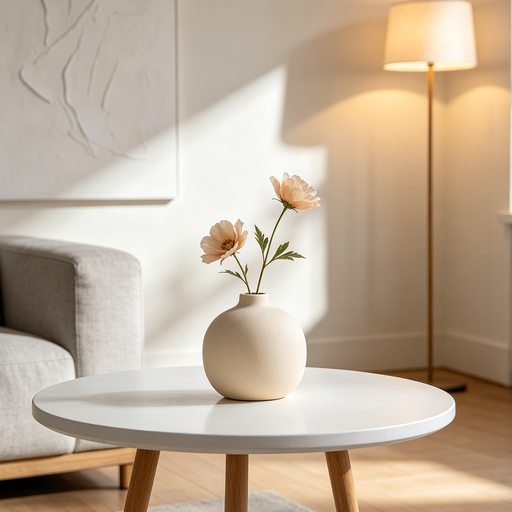
Why this product suits the profile: According to the product description, this compact ceramic vase measures around 10 cm wide and 9.5 cm high. It takes up very little space on a bedside table, desk, bathroom shelf or shelving unit, and is designed for individual fresh flowers, dried flowers and pampas grass.
The stated dimensions make it clear that this is a small table vase, not a vessel for large bouquets.
Neutral beige colour, narrow neck and compact round shape for small arrangements.
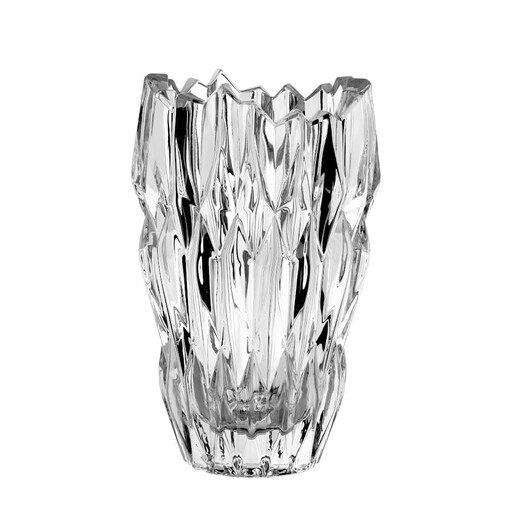
Why this product suits the profile: Standing 24.5 cm high, this transparent vase is made from thickened glass according to the product description. It combines visible flower stems with a geometric diamond pattern and wavy rim.
The height and material are clearly stated. This makes it easier to match the vase to your table space, flower length and desired look.
24.5 cm height, transparent glass and a decorative geometric surface for a table, hallway or desk.
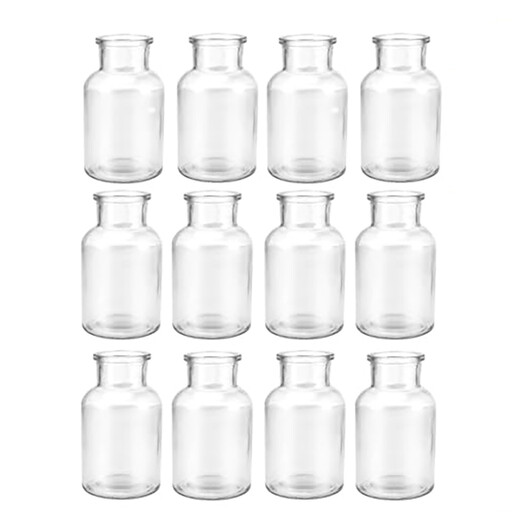
Why this product suits the profile: This set includes 12 narrow glass vases, each 10.5 cm high, with jute ribbon. It is designed for shoppers planning table decorations, wedding decorations or several coordinated arrangements.
The number of pieces is clearly stated. This makes it easier to plan a long dining table without having to combine several individual products.
12 individual vases, a slim shape, jute ribbon and, according to the product description, dishwasher-safe cleaning.
We have put together a complete, regularly updated list of products that fully meet these strict selection criteria and the safety regulations applicable in the EU.
For pampas grass, taller vases with a sufficient base and a stable centre of gravity are a practical choice. A narrow opening keeps the stems together, while a base that is too light or narrow can reduce stability. Before buying, compare the vase’s height and diameter with the length and quantity of the stems.
In principle, glass vases can be used for fresh flowers if they are designed for water and are watertight. The water remains visible, making it easier to monitor. The vase should be placed on a level surface and cleaned regularly. For decorative glass objects without clear approval for use with water, you should not automatically assume that they are suitable.
Their lifespan depends on the material, workmanship, use and placement. With careful handling, ceramic vases can be used for many years. Glass remains visually durable when protected from impacts, but it can break. A wide base, gentle cleaning and a suitable location help prevent common damage such as tipping, scratches or limescale deposits.