Joybuy Insights

Deep Plate Buying Guide: Choose the Right Plate for Pasta and Soup

A deep plate is far more than just a vessel for soup. Whether you're serving creamy pasta, a hearty salad, or a flavourful curry, the right shape and material are crucial for how a dish is presented and enjoyed. However, the selection is vast, and with so many different sizes, materials, and designs, making a choice can often be difficult.

This article serves as a practical guide. We'll highlight the key features to consider when making your selection and present a curated list of different models to help simplify your decision.

What to Look for When Buying a Deep Plate

Before you decide on a model, the following three points will help you pinpoint your needs.

1. Material Choice: Function and Aesthetics

The material affects not only the look of your plates but also their durability and maintenance requirements.

  • Porcelain: The classic choice for the dining table. Porcelain is elegant, relatively lightweight, and has a dense, smooth surface that doesn't absorb odours or flavours. It's well-suited for both everyday use and special occasions.
  • Stoneware: Often has a more rustic, artisanal feel. It is typically thicker and heavier than porcelain, lending a cosy atmosphere to your table setting.
  • Stainless Steel: An exceptionally robust option. An unbreakable deep plate made of stainless steel is ideal for households with children, for outdoor use like camping, or for anyone seeking an extremely durable solution.

2. Size and Shape: The Right Plate for Every Purpose

The dimensions of a deep plate determine its functionality.

  • Soup Plates: Classic soup plates typically have a diameter of 20 to 23 cm and a pronounced depth to prevent spills.
  • Pasta Plates: A typical pasta plate is often a large deep plate with a diameter of 24 to 30 cm. It features a wide, shallow well that provides ample space for pasta and sauce, and often has a broad rim that makes handling easier and serves as a rest for cutlery.
  • Salad Plates: Similar to pasta plates, salad plates are often larger and shallower to allow ingredients to be arranged appealingly without being compressed.

3. Single Piece or Set: Assessing Your Needs

The decision between buying individual plates or a set depends on your existing dinnerware and your future plans.

  • Deep Plate Set: A set is an economical and practical solution for outfitting a new household or creating a cohesive look on your dining table.
  • Individual Plates: Buying individual plates allows you to create specific accents, supplement an existing collection, or acquire specialty plates for particular dishes, such as a unique pasta plate.

Our Top Deep Plate Picks

Here is a selection of deep plates that stand out for their different materials, designs, and functional features.
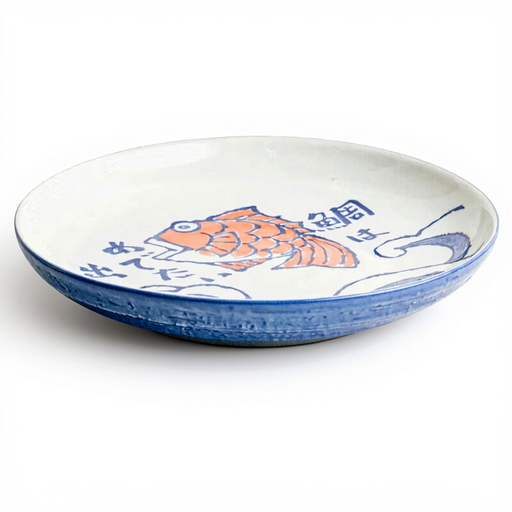
Sakana Deep Plate ?24.5 cm

Sakana deep plate with fish motif

Why It Stands Out: This Japanese porcelain plate captivates with its artful design. The detailed depiction of fish brings an elegant and serene atmosphere to any table setting. It is not just a utilitarian item but also a decorative element.

  • Advantages:
    • Crafted from high-quality Japanese porcelain
    • Generous ?24.5 cm diameter with a 4 cm height
    • Unique and sophisticated artistic design
  • Who It's For: For design enthusiasts and home chefs who want to present their culinary creations on distinctive dinnerware. It is perfectly suited as a pasta plate or for serving main courses.

View Product: Sakana Deep Plate ?24.5 cm
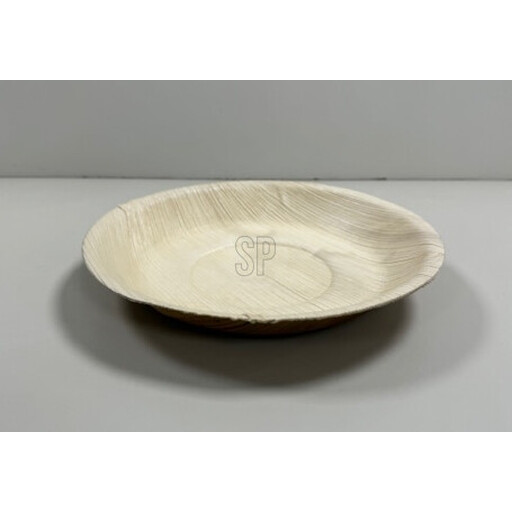
Deep Plate, ?20cm, Set of 4

Set of four deep plates in white

Why It Stands Out: This deep plate set is designed for everyday functionality and versatility. With a 20 cm diameter and a practical depth, it's an all-rounder for soups, stews, salads, or dishes with plenty of sauce.

  • Advantages:
    • Practical 4-piece set for a complete, uniform collection
    • Versatile enough for use as soup plates or for desserts
    • Made from durable material for everyday use
  • Who It's For: For families and households looking for a straightforward and functional basic set for daily use.

View Product: Deep Plate, ?20cm, Set of 4
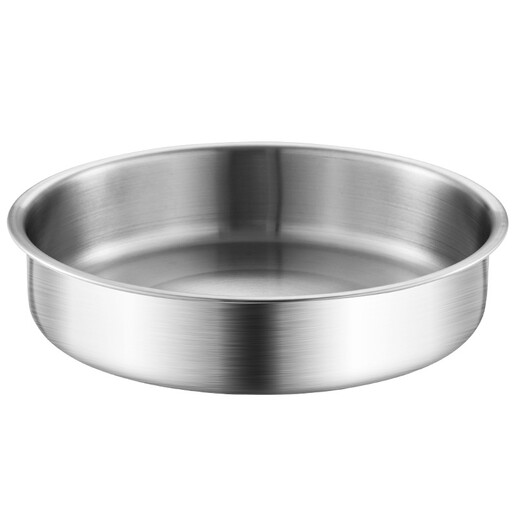
Maxcook Deep Plate, 304 Stainless Steel, 20 cm

Stainless steel deep plate by Maxcook

Why It Stands Out: This plate from Maxcook is the definition of durability. Made from 304 stainless steel, it is virtually unbreakable, rust-proof, and corrosion-resistant. A unique feature is its suitability for use in the oven, steamer, and even on induction cooktops for directly heating cold food.

  • Advantages:
    • Extremely durable and unbreakable
    • Made from food-grade 304 stainless steel
    • Heat-resistant and suitable for the oven, steamer, and induction
    • Easy to clean and resistant to wear and tear
  • Who It's For: Ideal for families with young children, for camping and outdoor use, or for anyone who prefers an extremely resilient and low-maintenance dinnerware solution.

View Product: Maxcook 304 Stainless Steel Deep Plate


Looking for More Options?

Didn't find the perfect model for your needs? Our collection includes a wide variety of other designs, materials, and sizes, from individual accent pieces to complete sets.

Discover More Deep Plates Here


Frequently Asked Questions (FAQ)

1. What is the difference between a soup plate and a pasta plate? A classic soup plate is typically deeper and has a smaller diameter (approx. 20–23 cm) to retain the liquid's heat. A pasta plate is often a large deep plate (approx. 24–30 cm) with a shallower, wider well. This shape makes it easier to eat pasta with cutlery and provides ample room for sauce and toppings.

2. What is the best material for everyday deep plates? For daily use, porcelain and stoneware are very popular as they are typically dishwasher-safe and microwave-safe. In households with children or for frequent outdoor use, an unbreakable deep plate made from materials like high-quality plastic (melamine) or stainless steel can be a very practical and durable alternative.

3. How large should a deep plate be? The ideal size depends on its intended use. For appetisers, desserts, or smaller portions of soup, plates with a diameter of 20–22 cm are sufficient. For main courses like pasta, large salads, or stews, a larger plate of 24 cm or more in diameter is recommended, as it offers more space for plating and makes eating easier.