
Lieferung heute & morgen

Qualitätsgarantie

Willkommens-Angebote freischalten: KOSTENLOSE Lieferung | Bis zu 80 % RABATT | Kostenlose 30-Tage-JoyPlus-Testphase
App herunterladen
A carefully chosen deep plate is more than just a utensil—it's a cornerstone of your tablescape. Whether for a hearty soup, a generous serving of pasta, or a fresh salad, the right shape and material can elevate the dish and complete the dining experience. However, with so many options available, choosing the perfect model can be a challenge.
As your Joybuy Product Recommendation Officer, I've made it my mission to survey the market and offer you expert guidance. This article will walk you through the key aspects to consider when selecting a deep plate and present a curated selection of models that excel in design, material quality, and functionality.
To find the perfect model for your needs, there are several criteria to consider. These will help you make an informed decision that satisfies both your aesthetic and practical requirements.
The material affects not only the look and feel of the plate but also its durability and ease of care.
The shape of the plate should suit its primary purpose.
The design should complement your personal style and existing tableware. A designer deep plate can make a statement, while simple, solid-coloured models create a timeless foundation. Whether minimalist, Scandinavian, Japanese-inspired, or classic and elegant, the design plays a key role in setting the atmosphere at the table.
Based on the criteria of material, functionality, and design, we have curated a selection of deep plates that cater to different styles and needs.
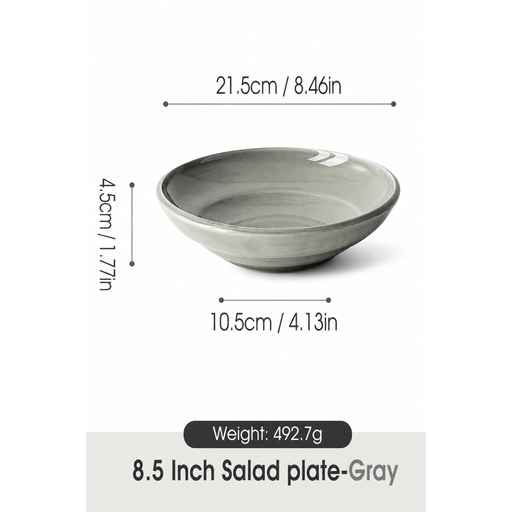
Why It Stands Out: The JIWOO Zen plate combines minimalist design with high functionality. Its glossy grey glaze and organic, flowing shape lend it a subtle elegance that effortlessly complements modern, Nordic, or Japanese-inspired decor.
Advantages:
Who It's For: Anyone looking for a stylish yet practical all-rounder for daily use who appreciates a modern, understated aesthetic.
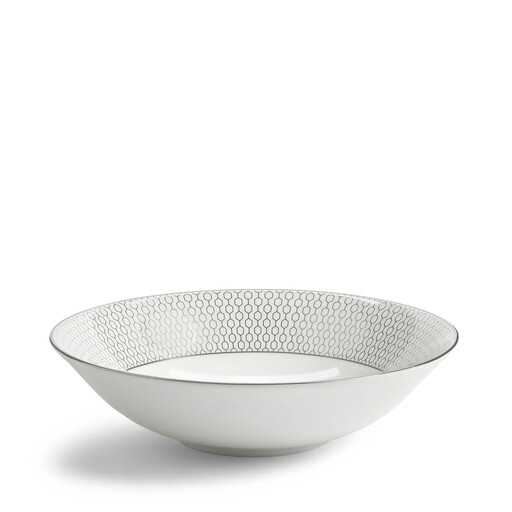
Why It Stands Out: This model from Wedgwood represents elevated dining. Crafted from exquisite fine bone china and adorned with a discreet metallic pattern, it embodies timeless elegance.
Advantages:
Who It's For: Design enthusiasts and discerning hosts who want to invest in durable, brand-name dinnerware to elevate their table for special occasions or sophisticated everyday dining.
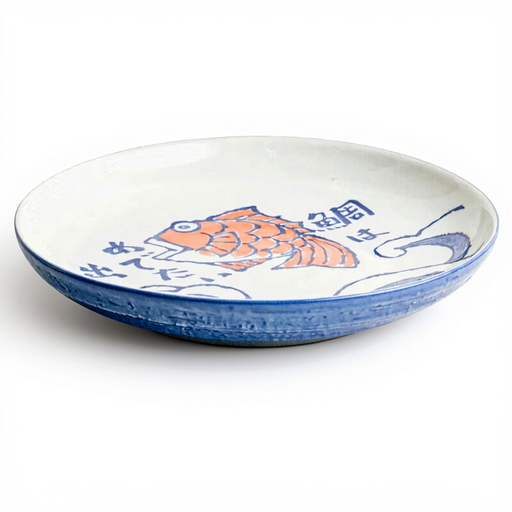
Why It Stands Out: The Sakana plate is a piece of Japanese craftsmanship. The detailed artwork, inspired by fish swimming in the sea, makes each plate unique and brings an authentic, artistic touch to the table.
Advantages:
Who It's For: Individualists, restaurateurs, and admirers of Japanese culture who see their dinnerware not just as a functional object, but as an expression of art and style.
The selection presented here covers a range of styles, but the world of deep plates is even more diverse. If you're looking for other materials, shapes, or designs, you're sure to find the perfect model in our broader collection.
? Explore our entire selection of soup plates here
1. What is the difference between a soup plate and a pasta plate? A classic soup plate typically has a deeper, rounder well and a narrower rim to hold liquids effectively. A pasta plate is often larger in diameter, with a shallower but wider well and a distinct, broad rim. This rim makes it easier to eat long pasta and serves as a surface for garnishes.
2. Are ceramic deep plates dishwasher-safe? Most modern ceramic plates are suitable for cleaning in the dishwasher. However, it is always advisable to check the manufacturer's specific care instructions. High-quality glazes, like the one on the JIWOO Zen plate, are generally designed to withstand such use.
3. What is the ideal size for a deep plate? The ideal size depends on its intended use. For soups, diameters of 20-24 cm are common. For pasta, large salads, or stews, large deep plates with a 24-30 cm diameter are a great choice, as they provide ample space for plating and eating without spills.