
Lieferung heute & morgen

Qualitätsgarantie

Willkommens-Angebote freischalten: KOSTENLOSE Lieferung | Bis zu 80 % RABATT | Kostenlose 30-Tage-JoyPlus-Testphase
App herunterladen
By Joybuy Product Recommendation Officer, August 29, 2026
A deep pore cleansing foam promises clear, blemish-free skin. However, the path to achieving it is often paved with marketing claims that create more confusion than clarity. Many products lead to a vicious cycle of dry, irritated skin followed by an overproduction of sebum. Before you make a decision, it's crucial to understand the most common pitfalls.
A solid understanding of the core parameters will help you choose a product that truly meets your skin's needs.
To find a suitable cleansing foam for oily or blemish-prone skin, you should examine three technical aspects. These determine whether a product effectively cleanses pores without compromising skin health.
Chemical exfoliating acids are the key to a deep pore cleanse. However, they work in different ways.
The skin's surface has a naturally acidic pH of about 4.7 to 5.75. A cleansing product should ideally fall within this range to avoid disrupting the acid mantle. Products with a high (alkaline) pH can dry out the skin and make it more susceptible to irritation. Also, look for mild surfactants (cleansing agents) that clean without excessively stripping the skin of its lipids.
A good clarifying cleansing foam also contains soothing and moisturizing ingredients alongside its active components. These are crucial for keeping the skin in balance. Ingredients like Centella Asiatica (Tiger Grass), Panthenol, Glycerin, or Hyaluronic Acid help to alleviate redness and strengthen the skin barrier. Many Korean cleansing foams, in particular, are known for such balanced formulations.
Instead of making a one-size-fits-all recommendation, we have identified products tailored to specific user profiles and their skin goals.
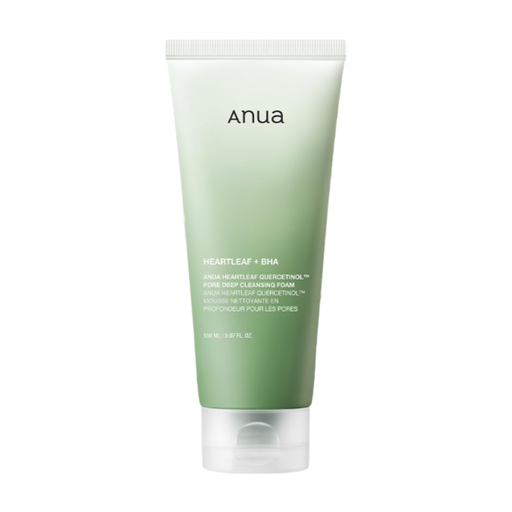
Why This Fits Their Persona: Ideal for individuals new to using cleansers with active ingredients. The formula combines gentle pore cleansing with powerful soothing properties to minimise the risk of irritation.
It counteracts the "squeaky-clean" effect by using a mild formula with 33% Heartleaf Extract and Panthenol. This cleanses without compromising the skin barrier.
Contains Quercetinol for soothing and Salicylic Acid (BHA) for gentle yet effective pore cleansing. The creamy texture is pleasant to use.
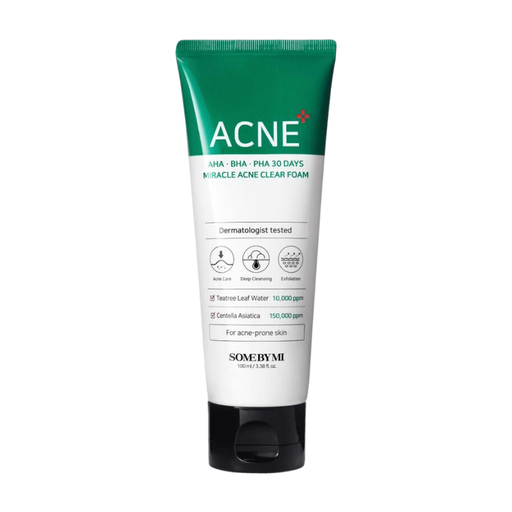
Why This Fits Their Persona: Suitable for users familiar with chemical exfoliants who need a stronger, multi-layered approach to combatting stubborn acne and blackheads.
Instead of relying on a single active, this AHA BHA Cleanser combines all three acid types for comprehensive exfoliation, balanced by the soothing Truecica Complex.
The formula with 5,000 ppm of Salicylic Acid directly targets sebum regulation and the clearing of clogged pores. A functional cleansing foam for acne.
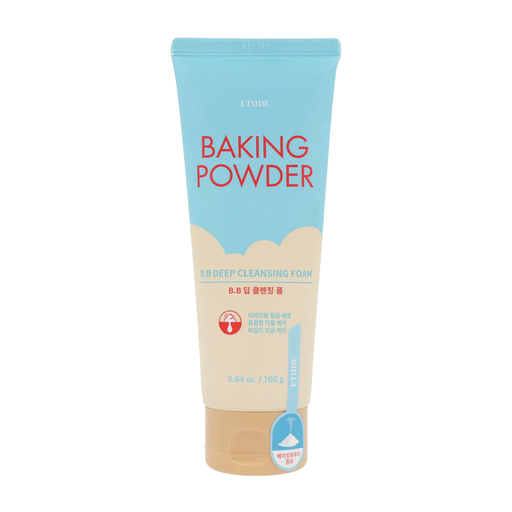
Why This Fits Their Persona: Perfect for those who wear daily makeup or sunscreen and seek that signature K-Beauty deep-clean feeling to ensure pores are free of all residue.
It sets realistic expectations for "pore minimizing" by focusing on mechanical cleansing with baking powder particles to visually refine pores, rather than promising to shrink them.
A 3-in-1 cleanse that effectively removes makeup (especially BB creams), impurities, and dead skin cells. Ideal for a thorough facial cleanse for large pores.
We have compiled a complete, real-time updated list of products that fully meet these strict selection criteria and UK/EU safety regulations.
The frequency of use depends on the product's strength and your skin's tolerance. For most people, once-daily use, preferably in the evening, is a good starting point. Monitor your skin: if it feels tight or irritated, reduce use to every other day. With a very mild product, twice-daily use may also be possible.
No, pore size is genetically determined and cannot be permanently changed. However, a clarifying cleansing foam can effectively remove the sebum, dirt, and dead skin cells that stretch pores open. This makes large pores appear significantly smaller and the overall complexion finer. This effect is cosmetic and requires regular use to be maintained.
A cleansing foam with salicylic acid is typically designed for oily or combination skin. If you have dry but blemish-prone skin, caution is advised. Look for a formula with a low concentration of BHA and a high content of moisturizing ingredients like glycerin, hyaluronic acid, or ceramides. Use the product less frequently (e.g., 2-3 times a week) and always follow up with a rich moisturizer.