Defrost gently
If you want to defrost bread slices for dinner without using unnecessarily high microwave power, look for easy-to-select low settings. HEA recommends 180–250 W as a guide for quickly defrosting bread.


A solo microwave with an easy-to-select low power setting is a good place to start when defrosting bread slices. A bread defrost programme can make things easier, but it doesn’t prove that the results will be better. If you’re cooking for several people, check that your plate and portions will actually fit inside the cooking cavity. A grill is useful if you also want to brown food; for a few crispy slices, your existing toaster may be all you need.
If you want to defrost bread slices for dinner without using unnecessarily high microwave power, look for easy-to-select low settings. HEA recommends 180–250 W as a guide for quickly defrosting bread.
If you’re preparing bread and crockery for several people, check that the usable surface area is large enough; the capacity in litres alone won’t tell you. Severin describes the MW 7782 as having a flat glass base and a capacity of 25 l.
If you want to serve your bread crispy after defrosting, you could use a toaster you already own or a microwave with a grill. The German Federal Centre for Nutrition suggests toasting frozen slices directly; Severin says the MW 7771’s microwave and grill functions can be used separately.
HEA recommends 180–250 W as a guide for quick defrosting, including bread. Adjust the setting and time to suit the quantity, and follow the instructions for your specific appliance.
A good fit if: you mainly want to defrost food and occasionally heat it up.
The trade-off: A solo microwave doesn’t have a dedicated browning function.
A good fit if: you’d prefer a pre-set bread function rather than relying solely on manual settings. Samsung lists bread under Quick Defrost for the MS23K3513AW/EN model.
The trade-off: The manufacturer’s information doesn’t prove the defrosting quality has been independently measured. Check the recommended quantities and programme steps in the instructions.
A good fit if: you want to brown or grill food as well as defrost it.
The trade-off: You don’t need a grill just to defrost food; only use accessories as instructed.
A good fit if: you mainly want crispy individual slices and already have a suitable toaster. The German Federal Centre for Nutrition suggests toasting frozen slices directly.
The trade-off: A toaster won’t replace a microwave for other defrosting and heating tasks.
| Priority | What to check when buying | Who this matters most to |
|---|---|---|
| Controlled defrosting | Low power settings and a defrost function; check the bread programme and instructions. | If I want to defrost individual slices with control, I look for selectable low settings. Around 36% of consumers are likely to have this as their main priority. |
| Space for several portions | Compare the internal dimensions and usable base area or turntable with your own crockery. | If I’m preparing bread for several people, my crockery needs to fit inside the cooking cavity. Around 29% of consumers are likely to prioritise this. |
| Counter space and positioning | Check the external dimensions and the clearance required around the ventilation openings, as stated in the instructions. | If my kitchen has limited counter space, the appliance needs to fit along with the required ventilation clearances. Around 21% of consumers are likely to prioritise this. |
| Crispy crust | Check whether you need a grill function that can be used separately, or whether a toaster you already own will do. | If a crispy finish matters to me, I compare a grill and toaster as two different options. Around 14% of consumers are likely to prioritise additional browning. |
Information about a dedicated bread function and claims about texture come from the manufacturer; they aren’t independent tests using your own bread.
Check the instructions for portion sizes and programme steps, then compare them with the low power settings you can select manually.
The shape of the cooking cavity, a turntable and a flat base all offer different amounts of usable space. Severin’s MW 7790 product page gives two different turntable diameters.
Compare the internal dimensions and turntable diameter with your crockery, and clarify any conflicting information before buying.
The German Federal Centre for Nutrition describes toasting frozen slices directly. A microwave with a grill can handle other tasks too, but you don’t need one for this.
First decide whether you also want to defrost, heat or brown food in the microwave.
The range includes solo models with different features, as well as a microwave with a grill. The details below relate to individual models, not the brand’s overall defrosting performance.
The MS23K3513AW/EN is a solo microwave with a Quick Defrost function for bread, as listed by the manufacturer.
The R-200WW specification sheet describes a manually operated solo model for defrosting, cooking and heating food.
The following Joybuy products include solo and combination microwaves with a range of power levels and additional functions. For bread slices, check the settings available and the instructions for the model you’re considering.
 No image available
The listed defrost functions and power levels may suit you if you want to choose settings specifically for defrosting.
Six power levels; defrost function; 19 l; 700 W.
 No image available
The power levels and defrost function listed in the product name are useful for buyers who want to choose defrost settings.
Six power levels; defrost function; 30-minute timer; 360° turntable; 20 l; 700 W.
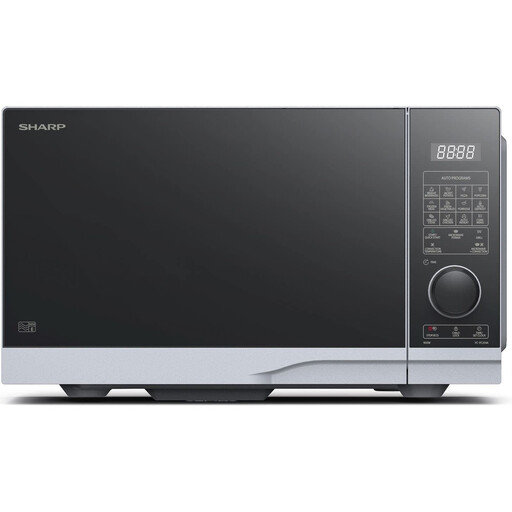 No image available
The combination of microwave, grill and convection cooking may suit you if you want to use these additional cooking functions as well as defrosting.
Grill; convection; 25 l; silver.
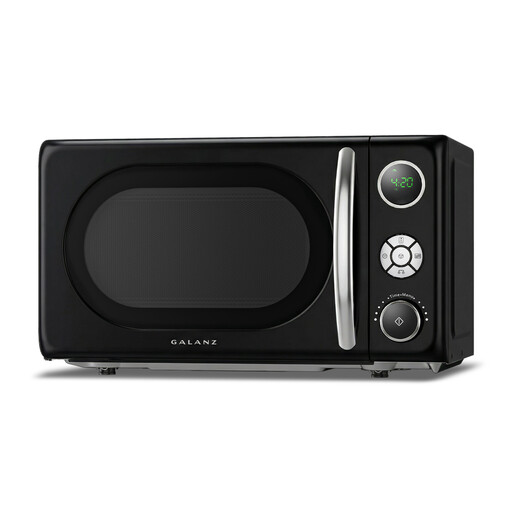 No image available
The listed defrost function and selectable power levels may suit you if you want to choose settings specifically for defrosting.
Six power levels; defrost function; digital display; fermentation function; 20 l.
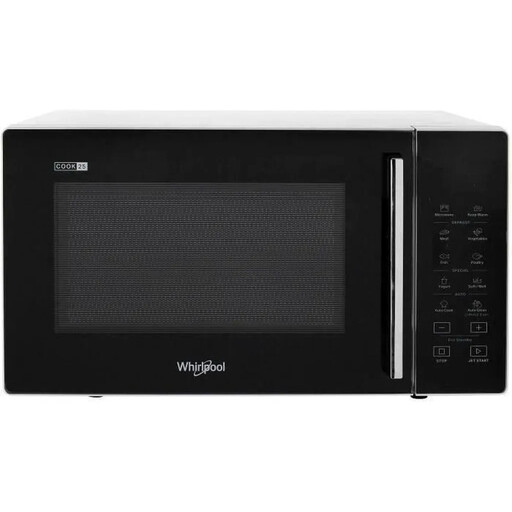 No image available
This solo microwave may suit you if you want to use the keep-warm and cleaning functions listed in the product name as well as defrosting.
25 l; 900 W; keep-warm and automatic cleaning functions; yoghurt and dough-rising programmes.
Choose a low defrost setting recommended in your appliance’s instructions, and adjust the time to suit the quantity and starting condition. HEA recommends 180–250 W as a guide, but doesn’t give a one-size-fits-all time for individual slices. Alternatively, the German Federal Centre for Nutrition suggests leaving bread to defrost overnight at room temperature.
Only if the packaging is specifically labelled as microwave-safe and you follow its instructions. Check that the material is undamaged and observe the stated temperature and wattage limits. Suitable glass or ceramic containers are another option.
Measure the available space, including the clearances required in the instructions for your specific model. Don’t cover the ventilation openings, and make sure the mains voltage and connection are suitable for the appliance.
According to the German Environment Agency, microwave ovens do not currently have an energy label. If a product is faulty, your statutory rights are against the seller and are separate from any voluntary guarantee.
Electrical appliances must meet the applicable EU product requirements and carry the required CE marking; the CE mark is not an independent quality seal. A microwave that has reached the end of its life must not go in household rubbish. Take it to a suitable collection point for waste electrical equipment instead.