
Lieferung heute & morgen

Qualitätsgarantie

Willkommens-Angebote freischalten: KOSTENLOSE Lieferung | Bis zu 80 % RABATT | Kostenlose 30-Tage-JoyPlus-Testphase
App herunterladen
A musty smell in the basement, condensation on the windows, or even the first signs of mould on the walls—problems with high humidity are common in many households. An electric dehumidifier promises a quick fix, but the selection is vast, and not every device lives up to its advertising. As your Joybuy Product Recommendation Officer, I'll help you navigate the common pitfalls and make an informed decision.
Many buyers are swayed by exaggerated marketing claims and end up disappointed after their purchase. Before you invest, you should know the three most common mistakes:
To avoid a bad purchase, you should focus on objective, verifiable criteria. These three technical specifications are essential for making the right choice.
The performance of a dehumidifier, measured in litres per day (L/day), must match the size and condition of the room. As a simple guide:
The noise level is a crucial factor for comfort. Pay attention to the manufacturer's specification in decibels (dB):
For flexible use, the method of water removal is critical:
Based on these objective criteria, we have identified a few models for typical use cases.
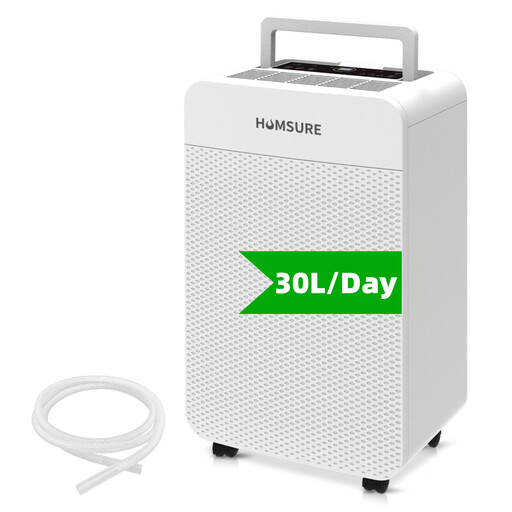
Why it's a great fit: Ideal for homeowners who need a powerful and reliable unit for mould prevention in large basements, garages, or laundry rooms (up to 50 m?) and are looking for a "set-it-and-forget-it" solution.
The high dehumidification capacity of 30 L/day provides enough power reserves even in cooler basement temperatures. The included drainage hose makes constantly emptying the tank a thing of the past.
High performance for large spaces and the option for unattended, continuous operation thanks to the hose connection.
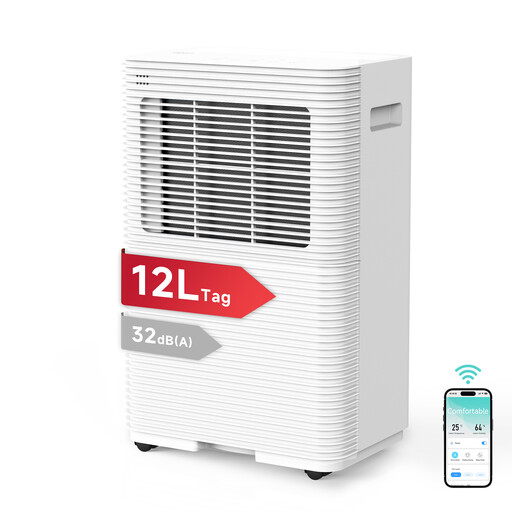
Why it's a great fit: Perfect for renters and homeowners looking for a quiet device for bedrooms or living rooms (up to 24 m?). The smart control via app offers added convenience for daily use.
This model directly addresses the noise issue with a specified sleep mode of just 32 dB (according to the manufacturer). This is a concrete value that allows for a quiet night's sleep.
Very quiet operation in sleep mode and the ability to conveniently control and schedule the device via a smartphone app.
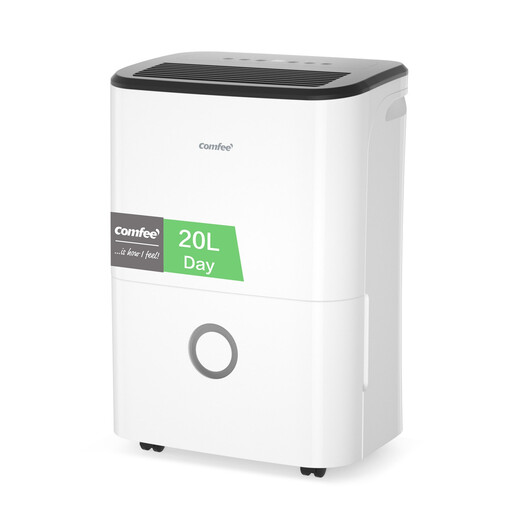
Why it's a great fit: A versatile all-rounder for families who need to dry laundry indoors or require a flexible solution for regulating humidity in medium-sized rooms.
The 20 L/day capacity is realistically sized for the specified room area of 40 m?. A dedicated laundry mode ensures the device is optimised for this demanding task.
A good balance of dehumidification performance, size, and useful extra features like the laundry drying mode.
We have compiled a complete, up-to-date list of products that fully meet these strict selection criteria and safety regulations.
Power consumption depends on the wattage and duration of use. Modern compressor dehumidifiers that use the more environmentally friendly refrigerant R290 are generally more energy-efficient. A typical household unit has a power draw between 200 and 400 watts. In auto mode, where the device shuts off after reaching the target humidity, consumption is significantly reduced.
For optimal performance, the dehumidifier should be placed as centrally as possible in the room. Maintain a distance of at least 20–30 cm from walls and furniture to allow air to circulate freely. Blocking the air intake and outlet vents will significantly reduce efficiency. Close windows and doors during operation to minimise the entry of new, moist air.
The ideal runtime depends on the initial humidity level and the device's performance. Many modern units have a built-in hygrostat. You set a target humidity level (45–55% is recommended), and the device automatically shuts off once this value is reached. It only restarts when the humidity rises again. This ensures efficient, on-demand operation without constant manual monitoring.