
Lieferung heute & morgen

Qualitätsgarantie

Willkommens-Angebote freischalten: KOSTENLOSE Lieferung | Bis zu 80 % RABATT | Kostenlose 30-Tage-JoyPlus-Testphase
App herunterladen
Damp walls, condensation on windows, or a musty smell in the basement—these are problems familiar to many homeowners and apartment dwellers in the UK. Excessively high humidity not only affects your well-being but can also damage your home's structure and encourage mould growth. An electric room dehumidifier promises a solution. However, the market is crowded and confusing, and not every unit delivers on its promises.
As a Joybuy Product Recommendation Officer, I see the mistakes people make every day when buying. To help you make an informed decision, we will highlight the three most common pitfalls and explain which technical specifications really matter.
To avoid a bad purchase, you should check three core technical features before making a decision. These determine whether a dehumidifier is suitable for your needs.
The dehumidification capacity, specified in litres per 24 hours (L/24h), is the most important metric. It must match the size and humidity level of the room.
Always pay attention to the manufacturer's recommended room size in square metres (m?) or cubic metres (m?).
How the collected water is drained is a critical factor for user convenience.
Modern devices offer more than just on and off. Specific modes significantly increase their utility.
Based on the criteria above, we have identified a few models that represent a considered choice for specific user profiles.
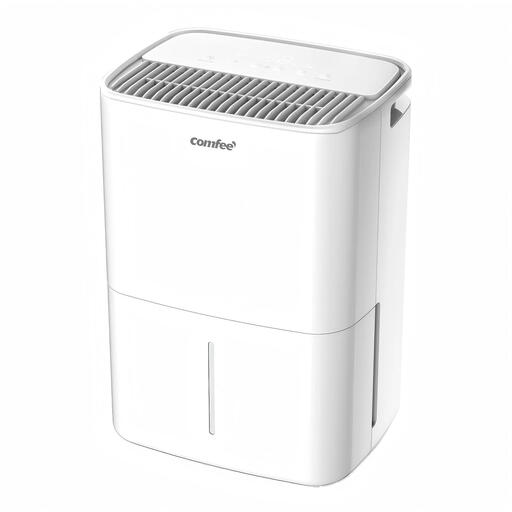
Why it's a good fit: Ideal for those needing a solution for a single bedroom, small bathroom, or home office up to approx. 16 m?. Its compact design and low weight allow for flexible placement.
The unit avoids the noise pitfall with a specified sound pressure level of just 36 dB(A), which is suitable for use in quiet zones and isn't just a vague marketing term.
The Smart Mode automatically keeps the humidity in the comfort range of 45–55%, which reduces manual adjustment effort and optimises operation.
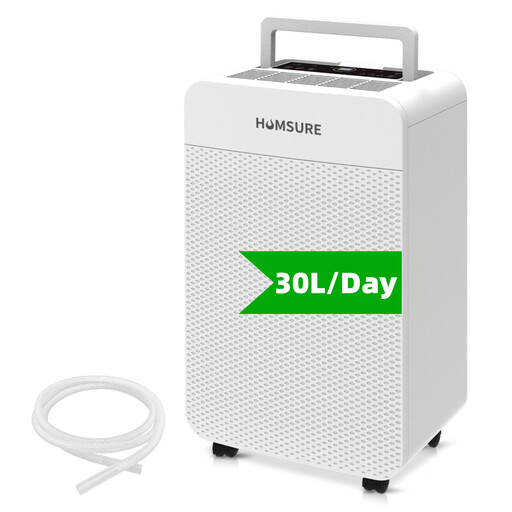
Why it's a good fit: Designed for users dealing with high moisture levels in large rooms up to 50 m?, such as basements, garages, or large living areas. The high capacity is also ideal for quickly drying laundry.
This model solves the incorrect sizing problem by offering a high dehumidification capacity of 30 L/day, designed for large and damp spaces. Additionally, the included drainage hose connection allows for low-maintenance continuous operation.
The large 5.3-litre water tank reduces the frequency of manual emptying if the hose connection is not used. The auto-defrost function ensures operation even in cooler environments.
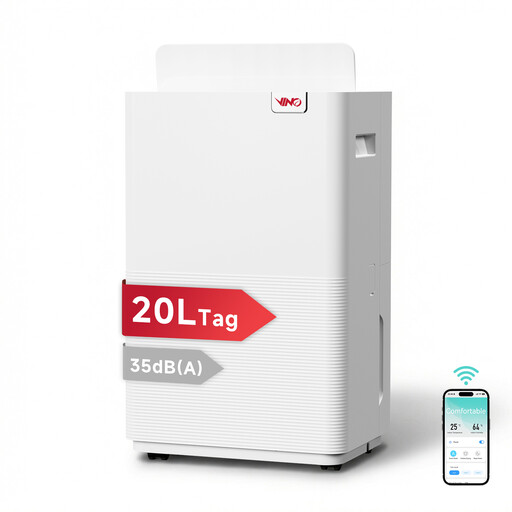
Why it's a good fit: For users who value convenience, quiet operation, and modern controls. Suitable for living and work areas up to 40 m? where the unit will be visibly placed and shouldn't be disruptive.
This model combines a solid performance of 20 L/day with smart features. The app control and 24-hour timer go beyond simple performance claims and offer real-world value.
The sleep mode at just 35 dB is exceptionally quiet. Additionally, according to the manufacturer, the device features plasma air purification and an antibacterial filter, which can further improve air quality.
We have compiled a complete, up-to-date list of products that fully meet these strict selection criteria and UK safety regulations.
The operating costs depend on the unit's power consumption (in watts), the daily duration of use, and your electricity rate. For example: a 200-watt (0.2 kW) unit running for 8 hours a day consumes 1.6 kWh. With an electricity price of 35p/kWh, that would be about 56 pence per day. Energy-efficient models with an auto mode, which turn off when the target humidity is reached, help to reduce costs.
For optimal performance, the electric dehumidifier should be placed as centrally and unobstructed as possible on a level surface. Maintain a distance of at least 20–30 cm from walls and furniture to allow air to circulate freely. During operation, close the room's windows and doors to prevent new, moist air from constantly flowing in from outside.
Most dehumidifiers have a washable dust filter. It is recommended to check it every 2 to 4 weeks and clean it if necessary. A clean filter ensures good airflow and efficient dehumidification performance. You can find the exact intervals and cleaning instructions in the respective device's user manual.