
Lieferung heute & morgen

Qualitätsgarantie

Willkommens-Angebote freischalten: KOSTENLOSE Lieferung | Bis zu 80 % RABATT | Kostenlose 30-Tage-JoyPlus-Testphase
App herunterladen
Condensation on windows, musty smells in the basement or laundry that takes a long time to dry are all typical signs of high humidity. The right dehumidifier can collect excess water from the air. However, not every appliance delivers useful results in every environment.
Before buying, it is therefore worth considering the room size, how long the appliance will be used, noise level and emptying requirements. The following advice will help you avoid common buying mistakes and choose between an electric dehumidifier, a moisture absorber and a dehumidifier bag.
Figures such as 16L dehumidifier or 20L dehumidifier generally refer to the maximum dehumidification performance under specific test conditions. In normal operation, the actual amount of water collected may be lower, for example at cooler temperatures or lower humidity levels.
The litre figure is therefore a comparison value, not a guarantee that exactly 16 or 20 litres of water will end up in the tank every day.
An appliance designed for up to 70 m² or 100 m² is not automatically suitable for every home of that size. Ceiling height, open doors, structural sources of damp and temperature all affect performance. For a single room, it is usually more effective to use the appliance where the moisture is generated.
Where walls are persistently wet, moisture is penetrating the building or visible mould is present, a dehumidifier cannot replace an inspection of the underlying cause or proper remedial work.
A small water tank can fill up quickly in high humidity. If you regularly use the appliance in the basement, bathroom or while drying laundry, look for a continuous hose drainage system. Otherwise, the appliance will switch off when the container is full and will need to be emptied regularly.
Cleaning should not be overlooked either. A removable tank and washable filter make routine maintenance easier.
For bedrooms, smaller living spaces or individual bathrooms, a compact electric dehumidifier may be sufficient. Higher capacity is advisable for larger rooms, damp basements or regular use as a dehumidifier with laundry-drying function.
For a bedroom dehumidifier, a low noise level is important. Komodo appliances are specified with an operating noise level of 40 to 45 dB. This is an objective comparison value, although how loud it seems can vary depending on the room and operating mode.
A compressor appliance has a power consumption of 240 watts for the 16-litre model or 345 watts for the 20-litre model. Running costs depend not only on the wattage but also on how long the appliance operates each day. Automatic defrosting can be useful at lower room temperatures, particularly in basements.
Useful features include:
A dehumidifier should be placed on a stable, level surface. The air intake and outlet must not be obstructed. Appliances and disposable bags must not come into direct contact with water, food, sensitive electrical equipment or areas that are easily accessible to children and pets.
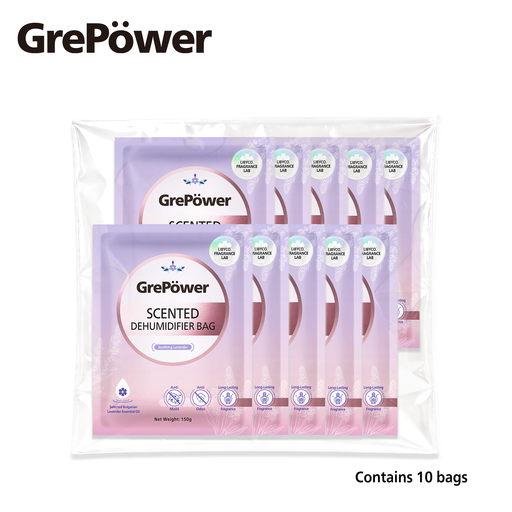
Why this product suits this profile: The hanging bags do not require electricity and are suitable for wardrobes, small storage areas, motorhomes or rooms that are rarely used. The lavender fragrance is an additional product feature, but is not an indication of any medicinal effect.
Its use is limited to small, enclosed areas and it does not claim to offer the performance of an electric appliance for large rooms.
10 disposable bags with calcium chloride, a space-saving hanging design and no electricity consumption.
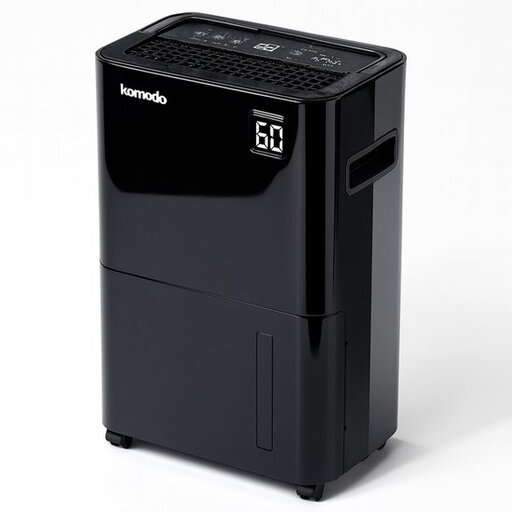
Why this product suits this profile: This compressor appliance is designed for larger living areas, basements or frequent laundry drying. Its stated suitability for areas of up to 100 m² should be assessed in relation to the room layout and source of moisture.
The 2.5-litre tank and hose connection make emptying more predictable than with an appliance without a drainage option.
Stated daily capacity of 20 litres, 345 watts, 40–45 dB, automatic defrosting, timer and a 2-year warranty.
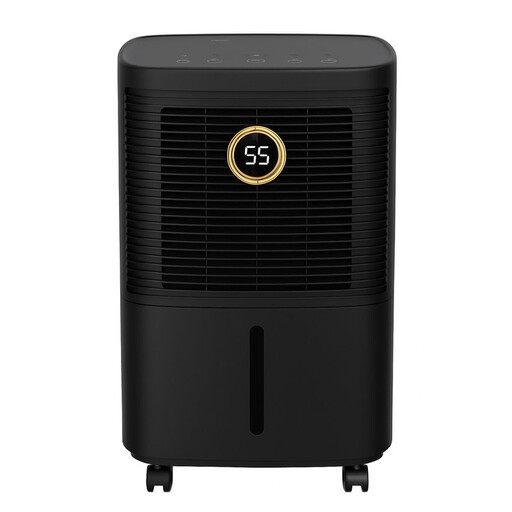
Why this product suits this profile: An option for bedrooms, bathrooms and basements, as well as households that also want to use a laundry-drying function. The stated room size is up to 70 m².
The adjustable target humidity and three operating modes allow it to be adapted to different everyday situations.
16-litre daily capacity, 1.8-litre tank, 40–45 dB, washable filter, child lock and continuous drainage.
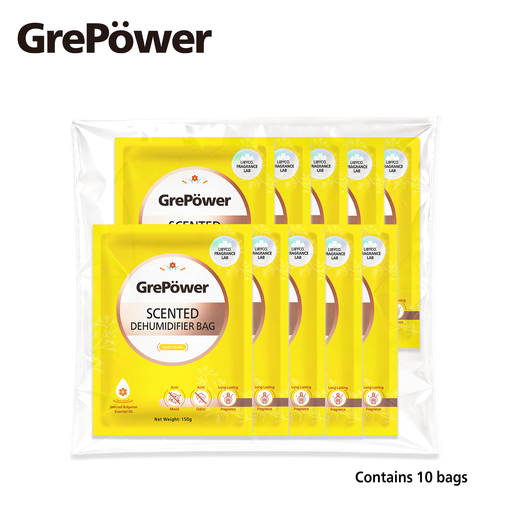
Why this product suits this profile: The bags are intended for wardrobes, kitchens, garages, offices, basements and motorhomes. The vanilla fragrance is aimed at users who prefer a scented option alongside moisture absorption.
Its disposable nature is important to note: once the collection area is full, the bag should be replaced and must not be opened or reused.
10 hanging bags with calcium chloride, a space-saving design and no need for a power socket.
We have put together a complete, regularly updated list of products that fully meet these strict selection criteria and the safety regulations applicable in the EU.
An electric dehumidifier is suitable for rooms where larger amounts of moisture build up over longer periods. Although it requires electricity and produces operating noise, it offers an adjustable target humidity, a wider area of effectiveness and, depending on the model, a hose connection.
A wardrobe moisture absorber works without electricity. The bags are practical for small, enclosed areas, but do not offer the dehumidification performance of a compressor appliance. The collected water must be caught safely. The bag must not be hung above delicate textiles, furniture or electronics.
Lavender- or vanilla-scented options can mask musty smells, but they do not automatically reduce their cause. People with sensitivities should check the relevant fragrance information.
This depends on the room size, temperature and source of moisture. It is advisable to use the appliance with a set target humidity and with the windows and doors closed while it is operating. After drying laundry, a time-limited programme may be sufficient. The tank and filter should be checked regularly.
The cost depends on power consumption, electricity tariff and operating time. An appliance using 240 watts consumes 0.24 kWh per hour of operation, while a 345-watt model consumes 0.345 kWh. To calculate the cost for your circumstances, multiply this figure by the daily operating time and your personal price per kilowatt-hour.
A dehumidifier can lower relative humidity and therefore help control moisture levels. However, it does not remove existing mould or fix leaking pipes, thermal bridges or penetrating damp. Visible or recurring mould should be assessed properly, and the underlying cause should be permanently resolved.