If your hobby room stays cool for long periods, an electric desiccant dehumidifier is worth considering. If the room is regularly heated, compare compressor models too. Measure the humidity, investigate possible causes and check the specific appliance’s temperature range, room size, energy use, noise level and drainage options. If the walls are wet or you can see mould, the cause of the damp needs to be investigated separately.
Which type of dehumidifier might suit you?
For people with cool hobby rooms
If you only heat your hobby room occasionally, check that the specific model is approved for the temperatures typically found there. Meaco states that the DD8L Zambezi operates from 0 °C, as does Wood’s for the WDD80.
For hobbyists who spend long hours in the room
If you work in the room for long periods, noise and the extra heat produced may affect your choice. Factor in energy use and realistic running times too. The Verbraucherzentrale recommends using your own electricity tariff to work out the cost.
For people storing moisture-sensitive items
If you store items in your hobby room, look for practical humidity control and a drainage option that suits how often you’re there. If walls remain damp or there may be leaks, it’s important to identify the cause: the German Environment Agency advises investigating and dealing with the causes of excess moisture.
What should you look for when buying?
Desiccant dehumidifier
Worth considering if: your hobby room stays cool for long periods and the specific model is approved for that temperature.
The trade-off: Regenerating the desiccant takes heat and electricity, and may make the room warmer.
Compressor dehumidifier
Worth considering if: the room is heated regularly and the specific model is suitable for the actual room temperature.
The trade-off: The operating temperature range and dehumidifying performance vary by model. The type of appliance alone tells you neither its exact energy use nor whether it will perform well enough in your room.
Ventilate and investigate the cause of the damp
Check this first if: the walls are wet, there’s a leak or you can see mould.
The trade-off: Ventilation won’t solve every cause of damp; conversely, a dehumidifier won’t fix water ingress in the building fabric. The German Environment Agency also warns that condensation can form on cool cellar walls if warm outdoor air gets in during summer.
Measure the room temperature and compare it with the specific model’s approved operating range. Consider litres-per-day figures alongside the test conditions, the actual size of your room and its moisture load.
| Your concern |
What to check before buying |
Who should pay particular attention |
| Dehumidifying in cold conditions |
Measure the room temperature and check the approved operating temperature range for the specific model. |
If your hobby room stays cool for long periods, you’ll need a model approved for those temperatures; around 40% of consumers put cold-weather operation first. |
| Cause of damp and storage |
Monitor humidity and check walls, corners and any possible leaks. |
If you store delicate items or notice damp patches, you’ll want to identify the cause and protect your belongings; around 30% of consumers prioritise this. |
| Noise, heat and electricity |
Compare noise levels for each setting, power consumption and the number of hours you expect to run the appliance. |
If you spend long periods working in the room, you’ll want a comfortable noise level and running costs you can budget for; around 20% of consumers focus mainly on this. |
| Drainage and maintenance |
Check the tank, full-tank shut-off, hose connection and filter maintenance requirements for the model. |
If you’ll leave the appliance running for a long time or can’t check on it regularly, choose a drainage option that suits your room; around 10% of consumers put this first. |
Avoid common buying mistakes
-
Expecting a dehumidifier to fix a damp wall
An appliance can remove moisture from the air, but it won’t automatically fix a leak or water ingress in the building fabric. The German Environment Agency recommends identifying and dealing with the cause of excess moisture.
Check damp patches and possible leaks before relying on a dehumidifier to solve the problem.
-
Expecting the advertised daily output in your room
Figures in litres per day apply to the specific model and its test conditions. The amount of water it actually removes in your hobby room also depends on the conditions in which it’s used.
Compare the test conditions, room temperature, room size and moisture load rather than relying on the litres-per-day figure alone.
-
Assuming you can use it around solvents or heavy dust
The Meaco DD8L Zambezi manual rules out use in certain conditions, including potentially explosive atmospheres, high concentrations of solvents and very high levels of dust. These manufacturer’s instructions don’t necessarily apply word for word to other models.
Before using the appliance, check that the work you do in the room is compatible with the safety instructions in the manual for your specific model.
-
Comparing only the purchase price, not running costs and drainage
Energy use depends on power consumption and actual running time. Tank and hose options also differ in how you drain the water while the appliance is running.
Calculate costs using your electricity tariff and realistic running hours. Also plan how you’ll empty the tank or safely route a hose to a suitable drain.
Brands and models at a glance
Meaco
The German model range includes desiccant models alongside compressor models. The DD8L Zambezi is one option to compare for cooler room temperatures.
- Meaco states that the DD8L Zambezi operates from 0 °C and has a capacity of 8 litres per day.
- The manual rules out use in certain environments, including potentially explosive atmospheres, high concentrations of solvents and very high levels of dust.
Wood’s
The WDD80 is one specific model to compare for a cool hobby room.
- Wood’s states that the WDD80 operates from 0 °C and has three fan speeds, a 2-litre tank and a hose connection.
- Claims that it runs quietly or works equally well at every temperature come from the manufacturer and aren’t based on independent testing.
Trotec
The TTR 57 E is a specific desiccant model for a small, enclosed room.
- Trotec states that the TTR 57 E is suitable for areas up to 20 m² or 50 m³, and has a 5-litre tank and a capacity of 9 litres per 24 hours.
- These rated figures don’t show how much water the appliance will actually remove at the temperature and humidity levels in your hobby room.
Pro Breeze
The manufacturer’s support information describes a 10-litre desiccant dehumidifier as an option for cold rooms.
- According to the manufacturer, the appliance described can collect water even below 5 °C.
- This doesn’t confirm how much water it removes at that temperature, or the exact version available in the German market. Before choosing, check the model version, plug and service terms.
Joybuy dehumidifiers for heated hobby rooms
The following Joybuy products are compressor dehumidifiers. Compare them if your hobby room is heated regularly, and check that the specific model is approved for the actual room temperature.
 No image available
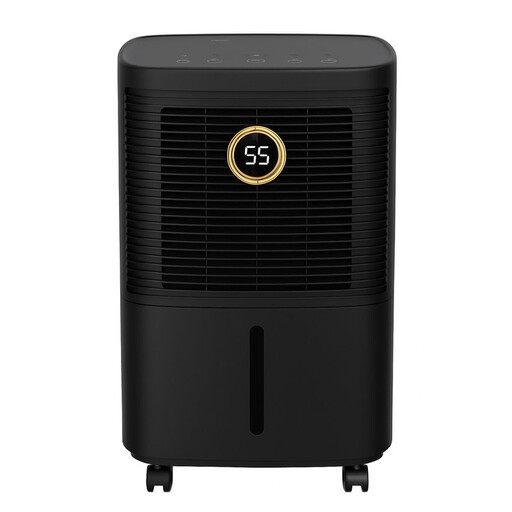
Komodo dehumidifier, 16 l/day
As a compressor model, this appliance is an option to compare for a regularly heated hobby room.
The product description lists a capacity of 16 l per day, adjustable humidity and tank or hose drainage.
It also lists three settings, a timer, automatic defrosting and a washable filter.
View at Joybuy
 No image available
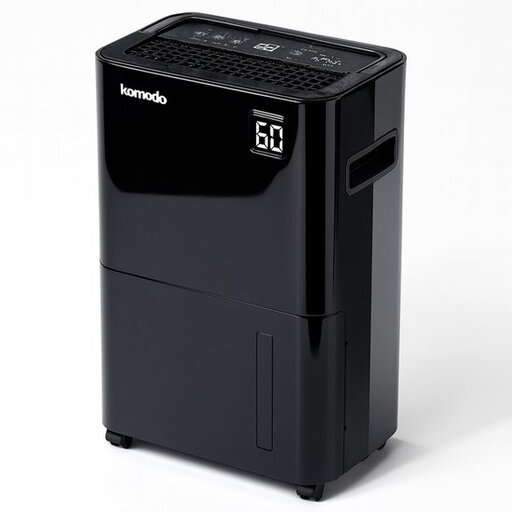
Komodo dehumidifier, 20 l/day
As a compressor model, this appliance is an option to compare for a regularly heated hobby room.
The product description lists a capacity of 20 l per day, adjustable humidity and tank or hose drainage.
It also lists three settings, a timer, automatic defrosting and a washable filter.
View at Joybuy
 No image available
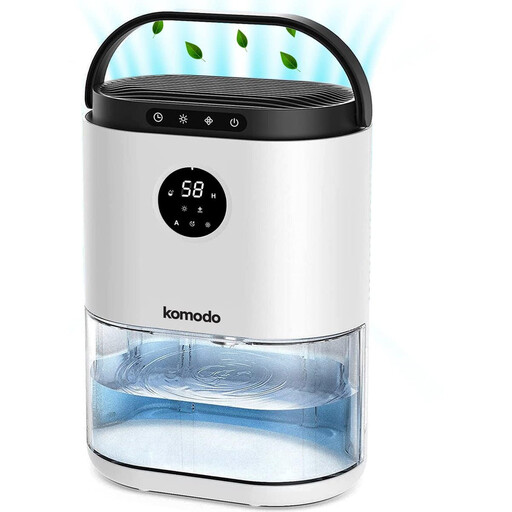
Komodo Small dehumidifier
As a compressor model, this appliance is worth comparing for a regularly heated hobby room.
The product description lists a dehumidifying capacity of 800 ml per day, a humidity display and automatic shut-off when the tank is full.
It also lists three operating modes, a timer and a removable tank.
View at Joybuy
 No image available
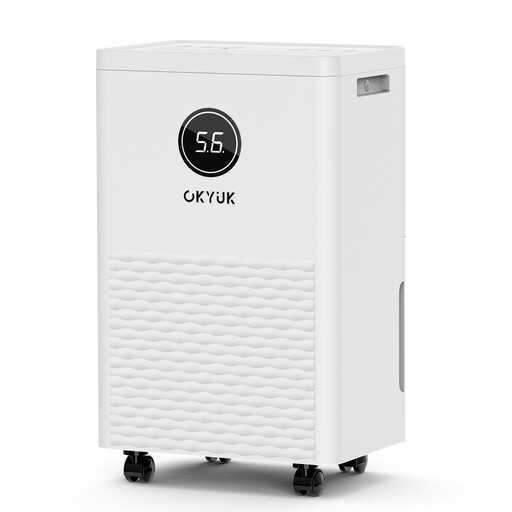
OKYUK D036D-12L
The product description identifies this as a compressor model and lists a humidity control mode.
It also lists a capacity of up to 12 l per day, a 2.5-litre tank with automatic shut-off when full, a timer, sleep mode and frost protection.
The product title also states 35 dB and an area of 30 m²; check that these figures are suitable for your room and the conditions in which you’ll use it.
View at Joybuy
 No image available
CONOPU CS10B, 16 l/day
The product description specifies compressor technology, so compare this model for a regularly heated hobby room and check its approved operating temperature range.
It lists an adjustable target humidity, a humidity display, a timer and sleep mode.
The description also lists a 2.5-litre tank, continuous drainage via a hose and automatic defrosting.
View at Joybuy
Frequently asked questions
When might a desiccant dehumidifier be suitable for a hobby room?
If the room stays cool for long periods, a desiccant model is worth considering. The key is whether the specific appliance is approved for the actual room temperature. Meaco states that the DD8L Zambezi operates from 0 °C, and Wood’s says the same for the WDD80.
Do I need to set a particular low humidity level?
Don’t choose a target level based on an advertising claim alone. Monitor the room’s humidity with a hygrometer and pay particular attention to cold areas of the walls. The German Environment Agency explains that moisture can condense on cold cellar walls.
Can I use the appliance while painting or doing particularly dusty work?
There isn’t a blanket answer for all models. The Meaco DD8L Zambezi manual rules out use in certain conditions, including potentially explosive atmospheres, high concentrations of solvents and very high levels of dust. Check the manual for your specific appliance against the work you’ll be doing.
How do I calculate the electricity costs?
Multiply the power consumption in kilowatts by the running time in hours, then multiply the kilowatt hours used by your electricity price per kilowatt hour. With humidity-controlled operation, actual running time and power consumption may vary depending on the operating mode.
What should I check when positioning the appliance and setting up drainage?
Check that the appliance can stand securely, that airflow won’t be obstructed and that the tank or hose can be positioned properly. Wood’s lists a hose connection for the WDD80; if you use a drain hose, make sure it’s routed safely and correctly. The Meaco DD8L Zambezi manual warns against operating the appliance in standing water or with a damaged power cable.


