Lieferung heute & morgen

Qualitätsgarantie

Willkommens-Angebote freischalten: KOSTENLOSE Lieferung | Bis zu 80 % RABATT | Kostenlose 30-Tage-JoyPlus-Testphase
App herunterladen
Life in our latitudes is a constant dialogue with the elements. We observe the changing seasons not only outdoors, but also through the subtle shifts within our own four walls. A fine film of condensation on the windows of an older building on a cool autumn morning, the damp feel of textiles in a basement, or the slightly musty odour in a poorly ventilated bathroom—these are all silent messengers of an invisible imbalance: excessive humidity. The conscious cultivation of our indoor climate is therefore less a matter of luxury and more a fundamental practice for a healthy home that retains its value.
The quality of the air that surrounds us is significantly determined by its moisture content. Relative humidity—the ratio of the current water vapour in the air to the maximum amount possible at a given temperature—is a crucial factor for both our well-being and the structural integrity of our homes. The optimal range is between 40 and 60 percent. When this level is consistently exceeded, it creates the ideal conditions for unwelcome houseguests.
Mould begins to grow on surfaces when the relative humidity reaches about 70 percent. This is not just an aesthetic issue; it can also damage the building's structure and trigger allergies or respiratory problems in sensitive individuals. A strategically placed dehumidifier for mould is therefore a preventative measure that tackles the cause at its root, rather than merely treating the symptoms. Controlled dehumidification is often essential, especially in critical zones. For a dehumidifier for the basement, where cool walls meet warmer, moist air and encourage condensation, it is indispensable. The same applies to damp-prone areas. A small dehumidifier in the bathroom can quickly reduce moisture after a shower, preventing mildew from forming on grout and walls.
Regulating humidity is a question of balance. The goal is to selectively remove excess water from the air without over-drying it. Modern electric dehumidifiers operate on the condensation principle: they draw in moist ambient air, cool it below its dew point so that the water vapour condenses into liquid, and then return the dried, slightly warmed air to the room. This process not only stabilises the climate but also contributes to the longevity of furniture, textiles, and the entire building structure.
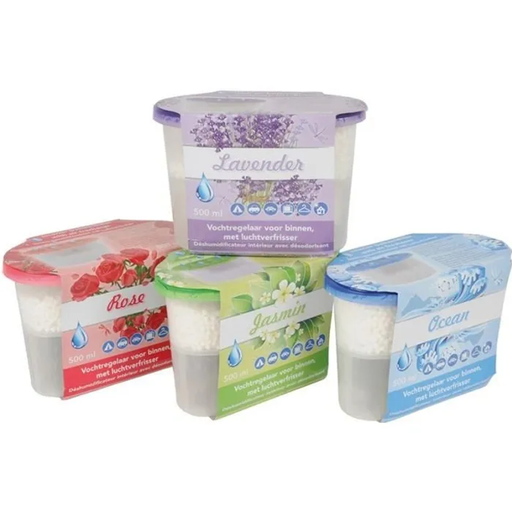
The choice of a suitable device depends on the specific requirements of the space and the lifestyle of its inhabitants. For small, enclosed areas like wardrobes, camper vans, or even as a car dehumidifier to combat foggy windows, passive systems are often ideal. A reusable granule pouch, such as the Cartrend 10402 Car Dehumidifier, absorbs moisture without electricity and can be recharged on a radiator. For temporary and localised use in cupboards or while camping, single-use dehumidifiers based on hygroscopic salts are also a practical option.
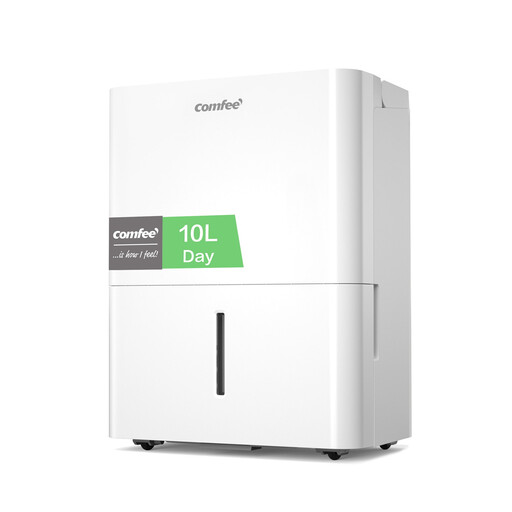
For active and long-term climate control in living spaces, electric devices are the more precise solution. Models with designs that discreetly integrate into modern interiors have become the standard. A smart dehumidifier with Wi-Fi, like the VINO Smart Dehumidifier 20L/Day, allows you to control and monitor room humidity via an app. This lets you adjust settings remotely or create a schedule, which optimises the dehumidifier's power consumption. For rooms dedicated to rest, the noise level is a critical factor. A quiet dehumidifier for the bedroom, such as the VINO Smart Dehumidifier 12L/D, which operates at just 32 decibels in sleep mode according to the manufacturer, regulates the climate without disturbing a peaceful night's sleep.
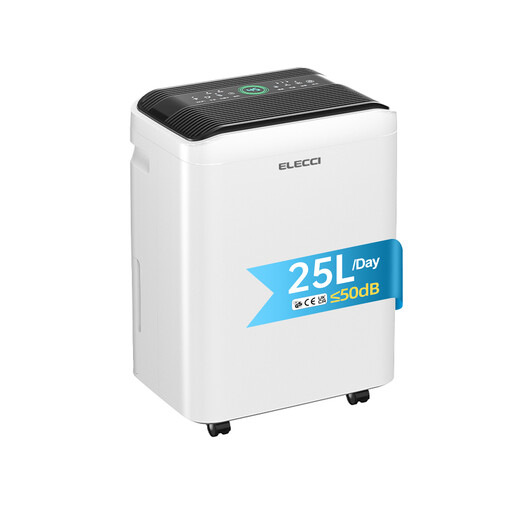
In basements or laundry rooms where constant dehumidification is necessary, high-capacity units with an option for unattended operation are a sensible choice. A dehumidifier with a hose for continuous operation drains the condensed water directly into a drain, eliminating the need to empty the water tank manually. Many devices also offer a special function as a dehumidifier for drying laundry. Models like the TRULIVA 25L/Day Dehumidifier use a continuous airflow to accelerate the process of drying clothes indoors—a practical feature, especially during the damp months of the year. Choosing the right device is therefore a conscious decision for a controlled, healthy, and comfortable living environment.
For those who wish to explore a wider selection of solutions for regulating the indoor climate, the complete directory of Home moisture absorbers offers further inspiration.