
Lieferung heute & morgen

Qualitätsgarantie

Willkommens-Angebote freischalten: KOSTENLOSE Lieferung | Bis zu 80 % RABATT | Kostenlose 30-Tage-JoyPlus-Testphase
App herunterladen
Condensation on windows, a musty smell in the cellar or laundry that takes a long time to dry are all typical signs of high humidity. The right dehumidifier for damp can help reduce excess moisture in the air. However, your choice should not be based solely on high litre-per-day figures or advertising claims.
Whether an electric dehumidifier, a dehumidifier with a water tank or a simple moisture absorber is the right choice depends on the room size, temperature, usage time and the specific moisture problem.
Figures such as “16 litres per day” or “25 litres per day” generally refer to specific test conditions involving high temperatures and high relative humidity. In a cooler cellar or a moderately damp bedroom, the actual amount collected can be significantly lower.
The daily extraction rate is therefore only a comparison figure. More important is whether the appliance is suitable for the room size and can work reliably under the conditions in your home.
An appliance with a high extraction rate can fill a small tank quickly. If you want to operate a bathroom, bedroom or cellar dehumidifier unattended, look for an automatic shut-off when the tank is full and, ideally, a connection for continuous drainage.
A larger tank means you will need to empty it less often, but it does not replace checking the appliance and cleaning it regularly.
Hanging dehumidifier bags with vanilla, linen or lavender fragrances give off a pleasant scent. However, the fragrance says nothing about the product’s actual absorption capacity. These products often contain calcium chloride and are intended for small, enclosed areas such as wardrobes.
A wardrobe moisture absorber is not automatically suitable for an entire cellar or bathroom. If liquid collects, the bag must be replaced in good time and disposed of safely.
First check whether the manufacturer specifies a suitable room size. According to the product information, the Komodo Dehumidifier is intended for rooms of up to 70 m². The TRULIVA is described as suitable for various areas, including living rooms, cellars, bathrooms, bedrooms, motorhomes and storage rooms.
Such specifications are intended as a guide. Open doors, poor insulation, external walls and additional sources of moisture all affect actual performance. A bag is usually sufficient for a small wardrobe; for a cellar dehumidifier, an electric compressor appliance is often the more practical choice.
A dehumidifier with a water tank should have at least the following features:
A drainage hose is useful for longer periods of operation. The hose must run downhill to a suitable drain to prevent water from backing up.
For a bedroom dehumidifier, the noise rating and operating mode are important. The Komodo is specified at 40 to 45 dB, while the TRULIVA states a noise level of under 50 dB in sleep mode. How loud an appliance seems depends on the room, its position and the operating mode.
Power consumption should also be taken into account. According to the product data, the Komodo operates at 240 W, while the TRULIVA has a rated power of 230 W and maximum consumption of up to 270 W. Actual running costs depend on the power rating, electricity tariff and operating time:
Cost = power in kW × operating hours × electricity price per kWh
Compressor appliances can defrost automatically at low temperatures. This is relevant for cellars and storage rooms, but it does not prevent performance from falling when the room air is cold.
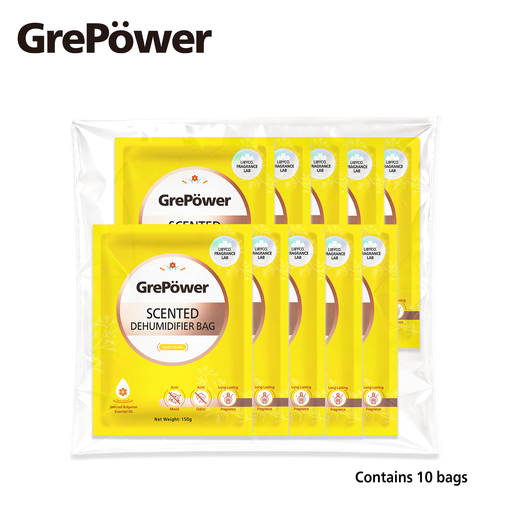
Why this product suits this profile: The hanging bags do not require electricity and are suitable for wardrobes, drawers, small storage areas or motorhomes.
The pack is designed for individual use in small, enclosed areas. The fill level can be checked in the collection container; the bag is then disposed of.
10 hanging bags, calcium chloride as a moisture absorber and no electricity required. Not intended for large rooms or direct exposure to water.
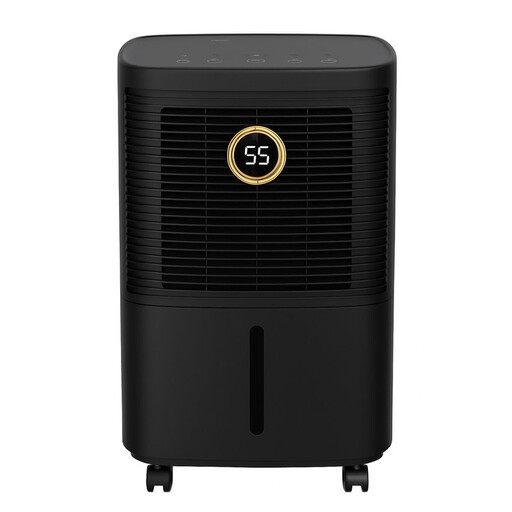
Why this product suits this profile: The appliance combines adjustable humidity, a timer, LED display and continuous drainage for regular use in living spaces.
The 1.8-litre tank is complemented by a hose connection for continuous drainage. Automatic defrosting is designed for operation at lower temperatures.
16 l daily extraction rate according to the product information, 40–45 dB, washable filter, three settings and laundry-drying function. The specified room size is up to 70 m².
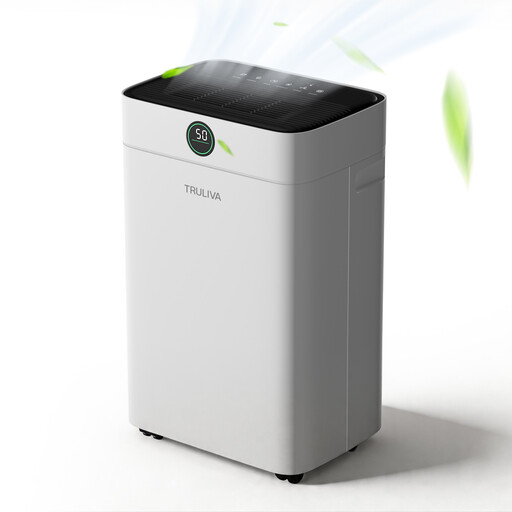
Why this product suits this profile: The combination of a higher rated capacity, 2.8-litre tank, hose drainage and castors is designed for frequent use in cellars, utility rooms, bathrooms or motorhomes.
The tank warning with automatic shut-off reduces the risk of overflow. For longer operation, the supplied hose can be used; room air conditions remain the key factor affecting performance.
Up to 25 l per day according to the manufacturer’s specifications under defined conditions, laundry-drying mode, automatic defrosting, castors and handle. The appliance uses R290 and requires sufficient clearance from walls and flammable materials.
Place the electric dehumidifier on a level, stable surface. The air intake and outlet must not be blocked by walls, curtains or laundry. Leave sufficient clearance around the appliance. If it has been transported in a tilted position, follow the manufacturer’s instructions regarding the waiting time before switching it on.
For drying laundry, keep the door or window closed wherever possible, while ensuring that the laundry is a safe distance from the air outlet. In the bathroom, do not expose the appliance to direct splashes of water. For appliances using R290 refrigerant, follow the instructions relating to flammable materials, ventilation and disposal.
Do not place bags containing calcium chloride above delicate furniture, electronics or textiles. The collected liquid could cause damage if the bag leaks. Bags and electrical appliances should also be kept out of the reach of children and pets.
A dehumidifier can help prevent mould by reducing high humidity. However, it does not replace ventilation, fixing leaks or repairing building components that have already been affected. If damp keeps returning, the cause and the condition of the building should be checked.
We have put together a complete, regularly updated list of products that fully meet these strict selection criteria and the safety regulations applicable in the EU.
That depends on the room humidity, temperature, room size and appliance capacity. It is advisable to operate the appliance with an adjustable target value and check the tank regularly. Once the desired humidity level has been reached, appliances with the appropriate controls can pause the compressor and restart it later.
The cost depends on power consumption and operating hours. An appliance rated at 240 W theoretically uses 0.24 kWh per hour of operation. If you use it frequently, also check whether it has a timer, humidity control and continuous drainage.
Moisture absorbers can be suitable for a small, enclosed cellar area or cupboard. In cases of persistently high humidity, condensation on walls or larger rooms, an electric dehumidifier with a suitable room rating and drainage hose is usually more practical. The cause of the moisture should be investigated separately.