
Lieferung heute & morgen

Qualitätsgarantie

Willkommens-Angebote freischalten: KOSTENLOSE Lieferung | Bis zu 80 % RABATT | Kostenlose 30-Tage-JoyPlus-Testphase
App herunterladen
Upgrading from a capsule or filter coffee machine to an espresso machine with an integrated grinder is a major step up for any coffee aficionado. The aroma of freshly ground beans and the control over the brewing process promise a barista-quality coffee experience. However, the market is saturated with appliances whose marketing promises often create more confusion than clarity. Before you make a decision, it's crucial to understand the common pitfalls that can lead to a poor investment.
Many beginners invest in a machine that, after a short time, causes more frustration than joy. This is often due to two widespread issues that are rarely addressed in advertising.
To make an informed purchasing decision, you should focus on three core technical features. These are the primary determinants of your coffee's quality and the machine's longevity.
Consistent pressure is more important than a maximum value. A pump that can generate 15 bar of pressure is perfectly adequate for home use to ensure the required 9 bar at the portafilter. Instead, look for information on temperature stability. A good heating system (e.g., a thermoblock) ensures that the water maintains the correct temperature of approx. 90–94°C throughout the entire brewing process, which is crucial for aroma extraction.
An espresso machine with a grinder offers the advantage of grinding the beans fresh right before preparation. This is the key to a full-bodied flavour. There are two main types:
It is important that the grinder offers multiple grind settings. This allows you to precisely adjust the grind size to the coffee bean you are using. The ability to use both whole beans and pre-ground powder makes a coffee machine for beans and ground coffee particularly flexible.
For lovers of milk-based coffee specialities, an espresso machine with a milk frother is essential. A classic steam wand offers the most control and allows for the creation of fine, creamy microfoam for an authentic at-home cappuccino machine. Simpler systems, often called a "Panarello," are more forgiving but tend to produce a coarser foam.
Instead of presenting an overwhelming list, we have selected models that fit specific user profiles and help avoid common buyer's remorse.
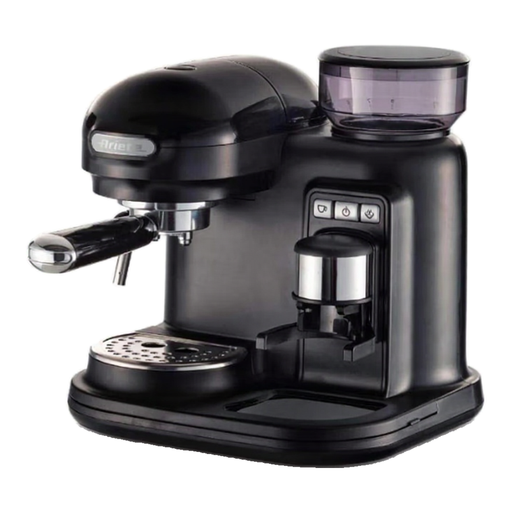
Why This Fits Their Persona: Ideal for users seeking a complete solution for espresso and cappuccino who also value a cohesive kitchen aesthetic. This machine combines all necessary functions in a compact and stylish body.
The machine offers a solid 15 bar pump pressure without inflated marketing specs. As an integrated system, the grinder and brew group are calibrated to work together, reducing complexity.
Integrated grinder for maximum freshness and a built-in milk frother for cappuccino. The designer coffee machine in white is a visual highlight in modern kitchens.
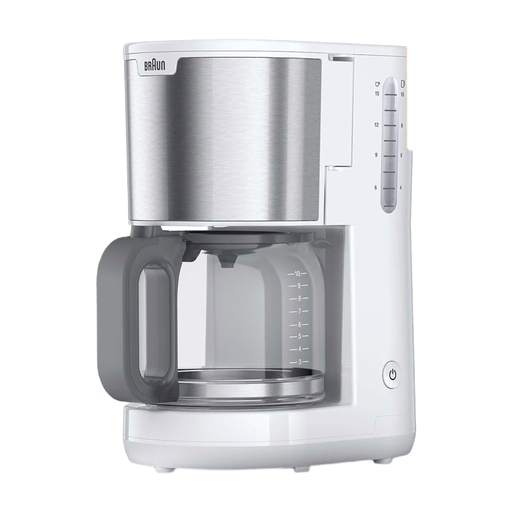
Why This Fits Their Persona: For households that need larger quantities of coffee without the fuss. This machine focuses on reliably brewing classic filter coffee without the learning curve and maintenance of an espresso machine.
Avoids the high maintenance of an integrated grinder and complex brew group. The dishwasher-safe parts (carafe, lid, filter basket) simplify cleaning significantly.
The OptiBrew-System ensures an optimised ratio of temperature and brewing time. The anti-drip feature allows you to pour a cup even while it's still brewing.
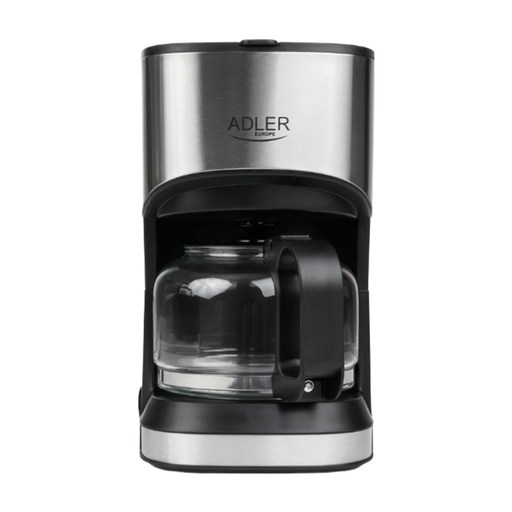
Why This Fits Their Persona: A practical and cost-effective solution for small households or as a secondary machine. It focuses on the core function: brewing filter coffee without complex extra features.
This model avoids the trap of over-investing. For those unsure if an expensive machine is worth it, this provides functional basics at a very accessible price point.
Compact footprint and simple operation. The warming plate keeps the coffee at temperature, and the removable filter makes cleaning easy.
The individual components of an espresso machine are also crucial. We have compiled a list of products that meet strict selection criteria and high safety standards.
The frequency depends on the water hardness in your area and your usage. As a general guideline, it is recommended to descale the machine every two to three months. Many modern devices have an indicator that reminds you when descaling is necessary. Regular maintenance is crucial for the machine's lifespan and taste quality.
Many models designed as a coffee machine for beans and ground coffee offer a separate compartment or a bypass doser for pre-ground powder. This is useful if, for example, you want to make decaffeinated coffee without changing the beans in the main grinder. Check for this feature in the product description if it is important to you.
Espresso requires a very fine grind size, with a consistency similar to fine table salt or powdered sugar. A grind that is too coarse will cause the water to run through the portafilter too quickly (under-extraction), resulting in a watery and sour espresso. A grind that is too fine can block the water flow (over-extraction) and leads to a bitter taste. The ability to finely adjust the grind size is therefore an important quality feature.