
Lieferung heute & morgen

Qualitätsgarantie

Willkommens-Angebote freischalten: KOSTENLOSE Lieferung | Bis zu 80 % RABATT | Kostenlose 30-Tage-JoyPlus-Testphase
App herunterladen
Upgrading from a filter or capsule machine to a bean-to-cup coffee machine is a major step for any coffee lover. The prospect of freshly ground beans and barista-quality drinks at the touch of a button is tempting. However, the market is saturated with appliances whose marketing promises often outshine the machine itself. Before you make a decision, it's crucial to understand the common pitfalls that can lead to disappointment and unnecessary expense.
Many buyers focus on the number of drink specialities or futuristic-looking displays, overlooking fundamental design features that determine the machine's longevity and the actual coffee experience.
Common Pitfalls When Buying a Bean-to-Cup Coffee Machine:
One model that is often considered in this context is the De'Longhi Magnifica S. To understand if this appliance is a suitable choice, we need to take a closer look at the critical technical parameters.
To make an informed purchasing decision, you should focus on three core components. These are the primary determinants of coffee quality, hygiene, and the machine's durability.
The aroma of the coffee is decisively influenced by the grinding process. A high-quality grinder ensures a consistent grind and prevents the beans from overheating, which can lead to a loss of aroma.
The brew group is where the ground coffee comes into contact with hot water. Residues from coffee oils and powder can quickly become a hygiene issue here.
A removable brew group is a crucial advantage. It can be easily rinsed under running water without the need for chemical cleaning tablets. This not only ensures a pure coffee taste but also makes easy cleaning of your bean-to-cup machine a straightforward process and contributes to the machine's longevity.
For lovers of milky coffee specialities, the milk system is a central criterion. A basic distinction is made here between manual and automatic systems.
A manual bean-to-cup machine with a milk frother, often in the form of a steam wand, offers maximum flexibility. You can determine the milk quantity and temperature yourself and control the consistency of the foam. This requires some practice but allows for results tailored to personal preferences. Automatic systems are more convenient but offer less control and often require more intensive cleaning of hoses and containers.
Choosing the right coffee machine depends heavily on individual needs and habits. Here are some recommendations tailored to different user profiles.
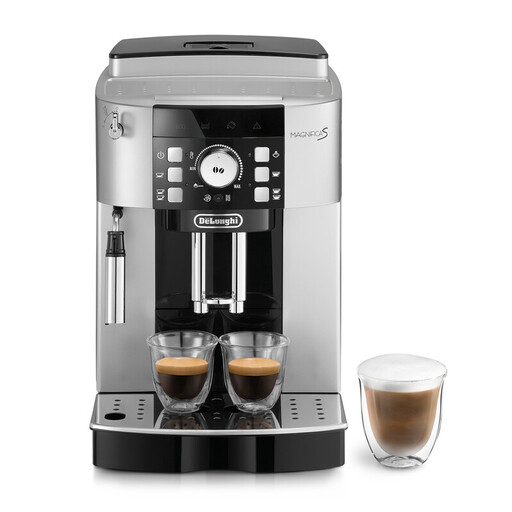
Why this model is a great fit: Ideal for anyone upgrading from a capsule or filter machine who values fresh beans and simple operation. The device focuses on core functions without overwhelming the user with superfluous options.
The brew group is fully removable and easy to clean. Operation via direct selection buttons and a rotary dial is intuitive, avoiding complex menu navigation.
The 13-setting conical burr grinder offers precise control over the aroma. The manual milk frothing wand allows for the preparation of creamy cappuccino.
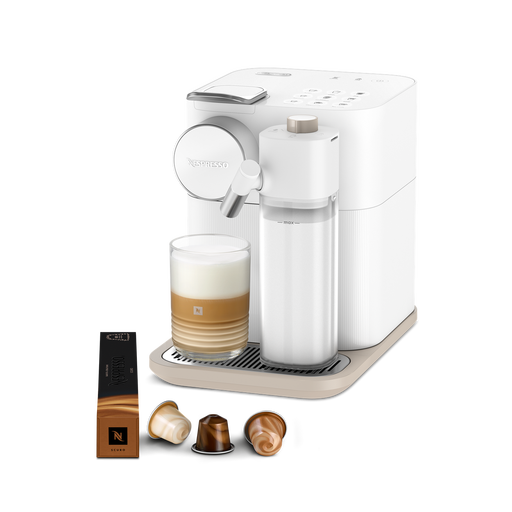
Why this model is a great fit: For users who appreciate the convenience of capsules but don't want to miss out on automatically prepared milk specialities like Latte Macchiato or Cappuccino. Perfect for quick, hassle-free enjoyment.
The one-touch system prevents complicated operation. The closed capsule system minimises internal cleaning effort compared to bean-to-cup machines with open brew groups.
Prepares six different coffee and milk recipes at the touch of a button. The milk container is detachable and dishwasher-safe, which simplifies cleaning.
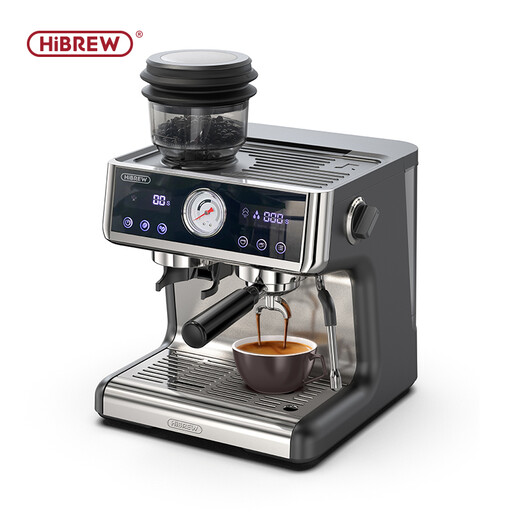
Why this model is a great fit: For coffee enthusiasts who want maximum control over the brewing process. This system combines an espresso machine with a separate coffee grinder and offers features typically found in professional café settings.
This machine is intentionally complex to allow for maximum control. It is aimed at users who see the brewing process as a craft and are not looking for a one-button solution.
The dual boiler system allows for simultaneous coffee extraction and milk frothing. The external grinder with 30 grind settings offers professional-level customisation.
We have compiled a complete, up-to-date list of products that fully meet these strict selection criteria and UK safety regulations.
1. How often does the De'Longhi Magnifica S need to be descaled? The frequency of descaling depends on the set water hardness and usage. The machine has an automatic descaling indicator. With average use and medium water hardness, descaling is required approximately every two to three months. The programmable water hardness ensures that the machine signals the optimal time for maintenance itself.
2. Can you also use pre-ground coffee with the De'Longhi Magnifica S? Yes, in addition to the bean container, the Magnifica S has a separate compartment for pre-ground coffee powder. This is useful if, for example, you want to prepare a cup of decaffeinated coffee without having to change the beans in the main container.
3. What grind setting should I use for the Magnifica S? For a strong espresso, a finer grind setting (e.g., level 3-4) is recommended. For a milder café crema, a coarser setting (e.g., level 5-6) is more suitable. It is advisable to start with a medium setting and adjust the grind level gradually until the coffee matches your personal taste. The adjustment should only be made while the grinder is running.