
Lieferung heute & morgen

Qualitätsgarantie

Willkommens-Angebote freischalten: KOSTENLOSE Lieferung | Bis zu 80 % RABATT | Kostenlose 30-Tage-JoyPlus-Testphase
App herunterladen
Cleaning between your teeth is a fundamental part of a comprehensive oral hygiene routine. Conventional brushing often only reaches about 60% of tooth surfaces, leaving the interdental spaces—the areas between the teeth—inadequately cleaned. Food debris and bacteria can accumulate in these niches, leading to the formation of plaque. Consistent interdental cleaning is therefore essential for gum care and preventing cavities and gingivitis.
This article analyses the technical differences between common methods and presents a selection of products tailored to specific user needs.
Choosing the right tool for cleaning between your teeth depends on individual factors like tooth alignment, the presence of dental work or orthodontic appliances, and personal preferences. Two primary technologies are available: oral irrigators and interdental brushes.
An oral irrigator, also known as a Water Flosser, cleans between the teeth using a pulsating jet of water. This flushes out food debris and loose plaque from interdental spaces while simultaneously massaging the gums.
Technical Selection Parameters:
Interdental brushes work on a purely mechanical basis. A fine, coated wire fitted with bristles is inserted into the space between teeth to remove plaque with a back-and-forth motion.
Technical Selection Parameters:
Based on an analysis of technical specifications and practical benefits, we present a selection of products for interdental cleaning.
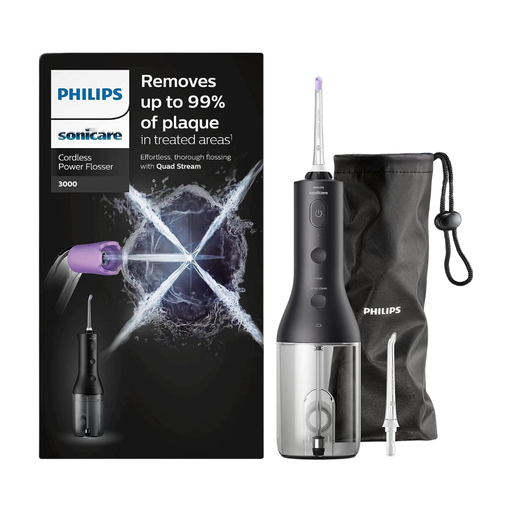
Why we recommend this product The Philips Sonicare Cordless Power Flosser 3000 is a technologically advanced cordless oral irrigator. The device uses Quad Stream technology, where an X-shaped nozzle splits the water flow into four jets. This allows for faster, more extensive cleaning of interdental spaces and the gumline. The Pulse Wave technology guides you from tooth to tooth with gentle water pulses, ensuring a complete clean.
Pros
Who it's for This model is suitable for users looking for an effective and comfortable alternative to dental floss. It is particularly beneficial for people with sensitive gums, thanks to its adjustable intensity, and for users who prefer a quick and thorough clean in just one minute.
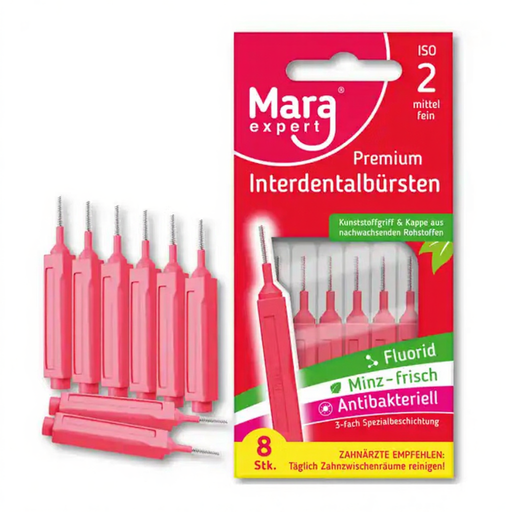
Why we recommend this product The Mara Expert ISO 2 Advanced interdental brushes offer precise mechanical cleaning. They feature a plastic-coated, surgical-grade wire that is gentle on teeth and dental work. The triple-coated bristles are designed for thorough plaque removal. A flexible brush neck and an ergonomic handle allow for controlled and comfortable use.
Pros
Who it's for These interdental brushes are ideal for users who prefer a manual and highly targeted cleaning method. They are an excellent choice for those with braces, bridges, or implants, where precise cleaning around the appliances is required.

Why we recommend this product The Philips Sonicare Compact Flosser 1000 (HX3333/24) is designed as an exceptionally travel-friendly Water Flosser. Weighing just 362 grams and featuring USB power, it offers high portability without compromising on functionality. Three operating modes allow you to adjust the water pressure to your personal preference, while the waterproof design simplifies cleaning the device.
Pros
Who it's for This device is aimed at people who travel frequently or have limited bathroom space but don't want to miss out on the benefits of a Philips Sonicare oral irrigator. It's a practical solution for maintaining a thorough oral hygiene routine both at home and on the go.
In addition to targeted interdental cleaning, removing surface stains and tartar can contribute to comprehensive oral care. You can find a selection of devices for this purpose in our Tartar Removers category.
1. Is an oral irrigator more effective than interdental brushes? Both methods aim to remove plaque but use different mechanisms. An oral irrigator uses water pressure and is often easier to handle, especially with crowded teeth or braces. Interdental brushes clean mechanically and can be very thorough when the correct size is used. The choice depends on individual tooth alignment, motor skills, and personal preference.
2. How often should you clean between your teeth? Dental organisations generally recommend cleaning between your teeth daily to effectively control the build-up of plaque and food debris and to support gum care.
3. Can an oral irrigator be used on sensitive gums? Yes, many oral irrigators, like the featured Philips Sonicare oral irrigator, offer multiple intensity levels. Users can start with a low pressure setting and adjust it as needed. The water jet can also have a massaging effect on the gums.