
Lieferung heute & morgen

Qualitätsgarantie

Willkommens-Angebote freischalten: KOSTENLOSE Lieferung | Bis zu 80 % RABATT | Kostenlose 30-Tage-JoyPlus-Testphase
App herunterladen
Modern washing machines and energy-efficient wash cycles at 20°C, 30°C, or 40°C are gentle on your textiles and your wallet. However, a key drawback of these low temperatures is that they often fail to completely eliminate bacteria, fungi, and certain viruses. This can lead not only to unpleasant odours in sportswear or towels but also to a hygiene risk in households with babies, allergy sufferers, or individuals needing special care.
A hygiene rinse promises a solution. But the market is crowded, and not every product delivers on its promises. Before you make a decision, you should be aware of the most common pitfalls.
To avoid a bad purchase, you should focus on objective criteria that determine the actual benefit of a hygiene rinse.
The foundation of effective laundry disinfection lies in the biocidal active ingredients. Quaternary ammonium compounds (e.g., didecyldimethylammonium chloride) are frequently used for this purpose. What's crucial is the information declared on the label. Check whether the product claims efficacy against the types of germs relevant to you:
The primary purpose of a hygiene rinse is to reliably disinfectlaundry even at low temperatures. Look for an explicit statement that the product is effective from as low as 20°C. This is the only way to take advantage of modern cold-wash programmes without compromising on hygiene. This protects delicate textiles like wool, silk, or performance fabrics and reduces energy consumption.
For families with babies, toddlers, and individuals with sensitive skin or allergies, compatibility is a critical criterion. Specifically look for products labelled "Sensitive." These typically omit allergenic fragrances and dyes. A note confirming dermatologically tested skin compatibility provides additional peace of mind.
Based on these criteria, we have compiled a selection of products suitable for various needs and households in Germany.
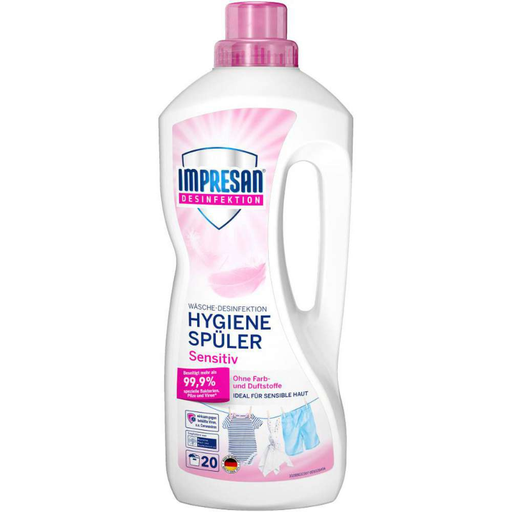
Why This Fits Their Persona: Ideal for households with babies, toddlers, and allergy sufferers where high skin compatibility is a priority. The formula is specially designed for sensitive skin while still providing reliable disinfection performance.
This product avoids the pitfall of unsuitable formulations as it is explicitly labelled "Sensitive" and is free from fragrances and dyes. Its skin compatibility is dermatologically confirmed.
According to the manufacturer, it eliminates bacteria, fungi, and specific viruses even in a cold wash cycle. Combines hygiene with skin protection.
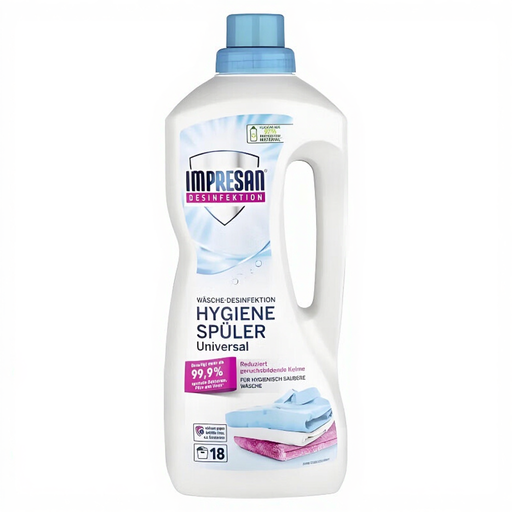
Why This Fits Their Persona: Developed to combat strong odours, such as those found in sweaty sportswear or on pet blankets. The formula directly targets odour-causing germs, ensuring long-lasting freshness.
This product avoids the fabric softener trap: it doesn't just mask odours with perfume but eliminates the microbial cause. Its effectiveness against odours is a core function, not just a side effect.
According to the manufacturer, it is effective against a broad spectrum of germs, including skin and foot fungi, making it particularly relevant for athletes. It offers a dual action of disinfection and freshness.
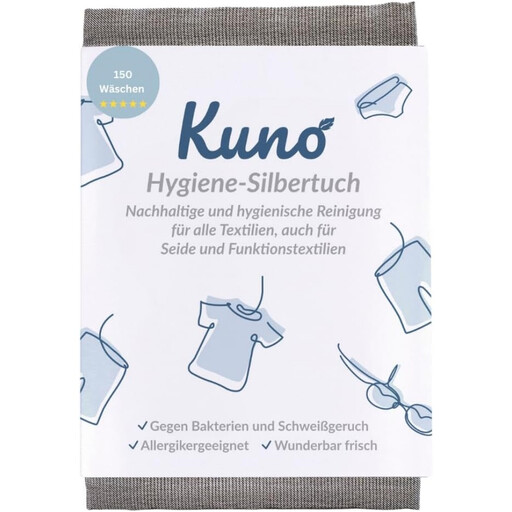
Why This Fits Their Persona: An innovative alternative to liquid hygiene rinses. The cloth uses silver ion technology to neutralise bacteria and is reusable for up to 150 wash cycles. This reduces plastic waste and the continuous need to purchase chemicals.
This product avoids the vague promises trap by relying on a different active principle. It leverages the antibacterial properties of silver, offering a long-term, chemical-free solution instead of single-use biocides.
Sustainable and cost-effective over its lifespan. Simple to use: just place the cloth in the drum with your laundry. Free from fragrances and additional chemicals.
We have compiled a complete, up-to-date list of products that fully meet these strict selection criteria and German safety regulations.
Not necessarily. It is particularly useful for low-temperature washes (below 60°C) for textiles with higher hygiene requirements: underwear, socks, sportswear, towels, bedding (especially during illness), baby clothes, and textiles that come into contact with pets. For non-delicate items like cleaning cloths that are washed at 60°C or higher, an additional hygiene rinse is generally not required.
When used correctly according to the manufacturer's instructions, hygiene rinses are safe for modern washing machines. Some products even contribute to machine hygiene by combating germs and biofilms in the rinse cycle, which can help against odours from the machine itself. However, overdosing should be avoided to prevent material stress and excessive foam.
A hygiene rinse (or disinfectant rinse) is a laundry additive that is added to the fabric softener compartment and works during the final rinse cycle to disinfect the laundry after the main wash. A disinfectant detergent, on the other hand, is an all-in-one detergent that already contains disinfecting agents, replacing the need for a separate hygiene rinse. The choice depends on personal preference and specific washing needs. A separate rinse offers more flexibility, as it can be used only when needed.