
Lieferung heute & morgen

Qualitätsgarantie

Willkommens-Angebote freischalten: KOSTENLOSE Lieferung | Bis zu 80 % RABATT | Kostenlose 30-Tage-JoyPlus-Testphase
App herunterladen
A diminishing aroma, a longer brewing time, or a glowing maintenance light—the signs of limescale buildup in your coffee machine are often unmistakable. Regular descaling is crucial for the longevity of your appliance and the quality of your coffee. However, the market for cleaning products is overwhelming and presents several pitfalls that can lead to unnecessary expenses or even damage to your machine.
As a Joybuy Product Recommendation Officer, I will analyse the facts for you and help you make the right choice for your appliance. We will focus on the objective criteria that truly matter and steer clear of common marketing traps.
The 2 Most Common Machine Maintenance Mistakes
Before you choose a product, you should understand two fundamental parameters. These determine the effectiveness and compatibility with your machine, whether it's a bean-to-cup machine, a portafilter machine, or a capsule machine.
The chemical composition of the descaler is the decisive factor for its effectiveness and how gentle it is on materials.
The choice between a liquid descaler, descaling tablets, or powder depends on the type of machine and personal preference.
Choosing the right product depends on your appliance and your priorities. Here are some options tailored to specific user profiles.
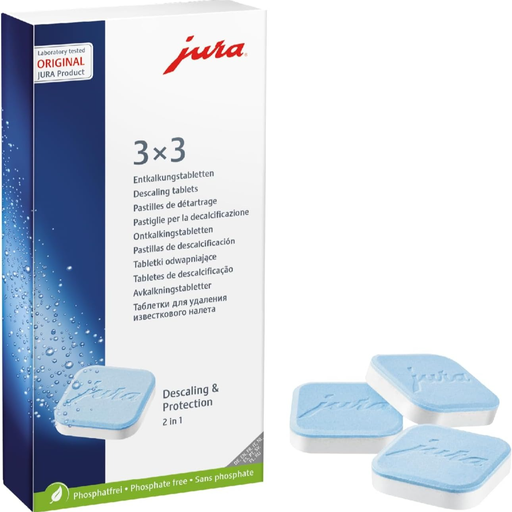
Why this product is a match: For owners of a JURA bean-to-cup machine who want to play it safe. The tablets are perfectly tailored to the descaling programs and materials of JURA appliances to preserve the function and value of their investment.
Avoids the risk of voiding the warranty or damaging sensitive components by using unsuitable universal cleaners or household remedies.
Offers a 2-phase action: the first phase removes limescale, while the second seals the fluid system and protects against corrosion. The formula is phosphate-free.
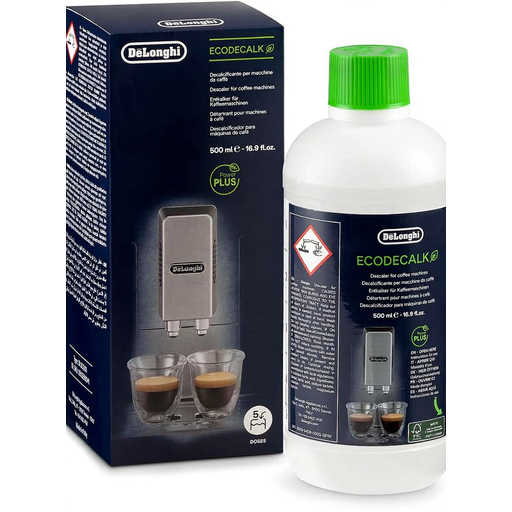
Why this product is a match: For users who want to combine effective descaling with ecological responsibility. The 500 ml bottle is sufficient for multiple applications and reduces packaging waste.
Offers a material-friendly alternative to aggressive household remedies like vinegar. According to the manufacturer, the formula is based on natural raw materials.
Uses plant-based lactic acid, which is biodegradable. The 500 ml supply bottle is designed for up to five descaling cycles.
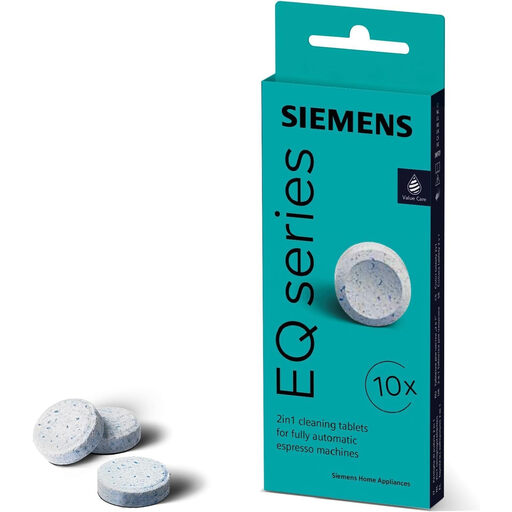
Why this product is a match: For users who understand that limescale isn't the only problem. This product is not a descaler but a coffee oil remover that specifically targets oily residues in the brewing unit and pipes.
Directly addresses the second pitfall: confusing descaling with cleaning. It solves the problem of bitter taste caused by rancid coffee fats.
Reliably removes coffee oil residues and deposits to preserve the authentic aroma. Designed as an original accessory for Siemens EQ series and built-in coffee machines.
We have compiled a complete, up-to-date list of products that fully meet these strict selection criteria and German safety regulations.
The frequency depends on two factors: the water hardness in your area and how often you use the machine. Many modern bean-to-cup machines have a built-in indicator that automatically reminds you to descale. As a general guideline, descale every two to three months or after approximately 200 cups. Always follow the specific recommendations of the appliance manufacturer.
This is a crucial point for machine maintenance. A descaler (in liquid or tablet form) is used exclusively to remove limescale. Limescale deposits form in the heating system and water pipes. Cleaning tablets or coffee oil removers, on the other hand, dissolve coffee oils and fats that build up in the brewing unit and coffee spout and become rancid over time. Both processes are necessary for complete maintenance and consistently good taste.
Generally, yes, as long as the products are suitable for your machine type (e.g., bean-to-cup machine, espresso machine). For example, many users use a universal lactic acid-based descaler and supplement it with the specific cleaning tablets from their appliance manufacturer. The important thing is to perform the two processes—descaling and cleaning—separately, according to the respective product and appliance instructions. Never mix different cleaning agents directly with each other.