
Lieferung heute & morgen

Qualitätsgarantie

Willkommens-Angebote freischalten: KOSTENLOSE Lieferung | Bis zu 80 % RABATT | Kostenlose 30-Tage-JoyPlus-Testphase
App herunterladen
In many households, limescale buildup is an everyday nuisance. It not only leaves unsightly white residue on fixtures and tiles but can also, out of sight, significantly shorten the lifespan and performance of expensive home appliances. Diminished heating performance in a kettle, a flat taste in your coffee, or a clogged shower head are often the first signs. However, choosing the right descaler involves navigating several pitfalls that can lead to poor purchases or even damage to your devices.
As your Joybuy Product Recommendation Officer, I'll help you understand the crucial criteria for finding the perfect descaler for your needs and effectively protecting your appliances.
Before you grab a product off the shelf, it's important to question common marketing promises. Two mistakes in particular frequently lead to unsatisfactory results:
To find the right descaler, you should check three core parameters. These will help you objectively evaluate a product's performance and safety.
The type of acid determines the effectiveness and application area of a limescale remover.
Clearly distinguish between the different areas of use in your home.
The format affects handling and dosage.
Based on these criteria, we have compiled products for typical requirement profiles.
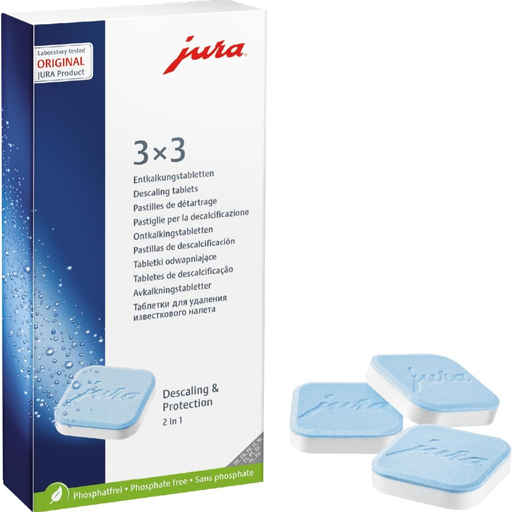
Why This Fits Their Persona: Anyone who invests in a high-quality JURA fully automatic coffee machine wants to ensure its longevity. These tablets are precisely tailored to the materials and programs of JURA machines.
Avoids the "universal" cleaner mistake. According to the manufacturer, the 2-phase formula not only removes limescale but also creates a protective layer in the pipes to prevent corrosion—a specialization that universal cleaners don't offer.
Phosphate-free formula and a dissolving time optimized for the descaling programs, ensuring an effective and gentle cleaning process.
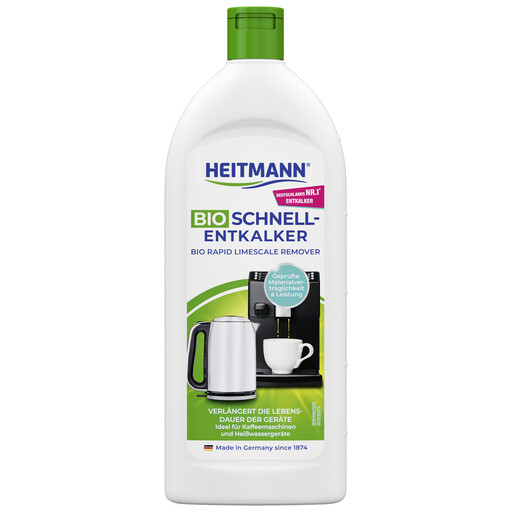
Why This Fits Their Persona: Ideal for households seeking an effective yet food-safe solution for coffee machines, kettles, and other hot water appliances without resorting to harsh chemicals.
Sidesteps the "organic" trap with a clear declaration of ingredients. The formula is certified food-safe and based on proven organic acids that work effectively while being gentle on materials.
A versatile, liquid descaler that is easy to dose and suitable for a wide range of kitchen appliances.
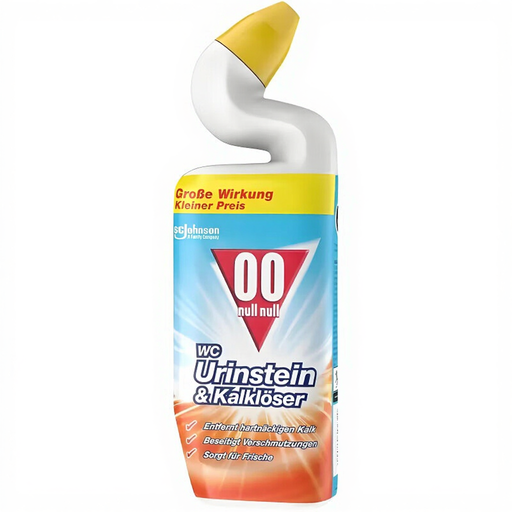
Why This Fits Their Persona: For the toughest limescale problem in the household—urine scale and heavy buildup in the toilet. This product is a specialist for a task where all-purpose cleaners fail.
This product is clearly positioned as a specialist cleaner for the toilet. It avoids the risk of being accidentally used on sensitive surfaces or in appliances, as its purpose is unmistakable.
The hydrochloric acid-based formula offers powerful dissolving action for the most stubborn mineral deposits. The gel adheres well to vertical surfaces inside the toilet bowl.
We have compiled a complete, up-to-date list of products that fully meet these strict selection criteria and all relevant safety regulations.
1. How often should I descale my coffee machine? The frequency depends on the water hardness in your area and how often you use it. Many modern fully automatic coffee machines will automatically indicate when descaling is needed. As a general guideline, with daily use and hard water, descaling every one to two months is advisable. Always follow the appliance manufacturer's instructions.
2. Can I use home remedies like vinegar or pure citric acid? This is strongly discouraged for modern appliances. Acetic acid (vinegar) can attack and make plastic and rubber seals and hoses porous. Pure citric acid, as mentioned earlier, can form hard-to-dissolve calcium citrate when heated, which can clog the pipes. Special descalers also contain corrosion inhibitors that protect the materials.
3. Are descaling tablets or a liquid descaler better? Both formats have their merits. A liquid descaler is ready to use immediately and offers flexible dosing. Descaling tablets are often precisely formulated for a specific machine program and have a controlled dissolving time, which ensures even action throughout the entire system. The choice depends on your appliance manufacturer's recommendations and your personal preference. For manual descaling of kettles, liquid descaler is often more practical.