People with a cool conservatory
If you dry laundry there even when it’s cold, check whether the specific appliance can be used at the measured room temperature.


If your conservatory stays cool while you’re drying laundry and humidity rises despite airing it properly, an electric desiccant dehumidifier may be worth considering. The key factors are the actual room temperature, the size of the room, space for the appliance and a practical way to drain the water. A dehumidifier is no substitute for ventilation or for investigating possible sources of damp in the building.
If you dry laundry there even when it’s cold, check whether the specific appliance can be used at the measured room temperature.
Drying laundry can increase humidity in a conservatory. Keep an eye on condensation and make sure the moisture is removed rather than allowing it to build up.
If you regularly dry laundry in your conservatory, practical water drainage, ease of use and electricity consumption are all important factors when choosing an appliance.
First, check that the operating range is suitable for the temperature in your conservatory. Then consider humidity control, ongoing electricity consumption and how the water is handled.
| What matters | What to look for when buying | Who should pay particular attention? |
|---|---|---|
| Suitability for cold conditions | Check the temperature range for the specific model and the conditions under which its stated dehumidification performance was measured. | If I dry laundry in the conservatory even when it’s cold, the appliance needs to be suitable for the temperature there. Around 36% of consumers put suitability for cool rooms first. |
| Humidity control | Look for a humidity display or control, and plan for the tank or a suitable way to drain the water. | If condensation appears on the windows while I’m drying laundry, I want to monitor and remove the moisture in the room. Around 29% of consumers prioritise humidity control when drying laundry. |
| Electricity consumption | Compare the power consumption in the mode you plan to use with the expected running time. | If I use the appliance regularly, I want to weigh its electricity consumption against the benefits. Around 21% of consumers pay particular attention to ongoing running costs. |
| Positioning and water drainage | Check the required clearances, whether the tank is easy to reach and whether a hose can be safely routed to a suitable drain. | If I place the appliance next to the clothes airer, I need a safe spot for it and a suitable way to deal with the water. Around 14% of consumers prioritise ease of use and positioning. |
Even with a desiccant appliance, the amount of water removed in practice also depends on temperature, humidity and any additional moisture entering the room.
Compare the operating range and the conditions behind the performance figure with the conditions where you plan to use the appliance, rather than looking only at the maximum figure.
At low room temperatures, a compressor dehumidifier may remove less moisture in practice. A desiccant model also uses electricity and releases heat into the room.
Measure the temperature in your conservatory and compare specific models within their stated operating ranges.
A connection on the appliance alone doesn’t guarantee that the water can be drained safely where you plan to put it.
Before buying, check the position of the drain, the route for the hose and the instructions for the specific model.
Wet laundry increases humidity in the room; recurring damp can also be linked to problems with the building itself.
Ventilate appropriately and investigate persistent damp or the causes of mould, rather than simply running the appliance for longer.
Trotec describes the TTR 57 E as a desiccant dehumidifier for cool rooms and lists conservatories as one possible place to use it.
Meaco offers several desiccant dehumidifiers in the DD8L range, as well as compressor models. Details for individual DD8L variants cannot automatically be applied to other versions.
Wood’s WDD series includes desiccant dehumidifiers for small, cool rooms. For the WDD80, the manufacturer specifies a tank and a hose connection.
The Joybuy models below are dehumidifiers with specified features for drying laundry indoors. Before choosing one, check the operating range for the specific appliance, especially if your conservatory stays cool.
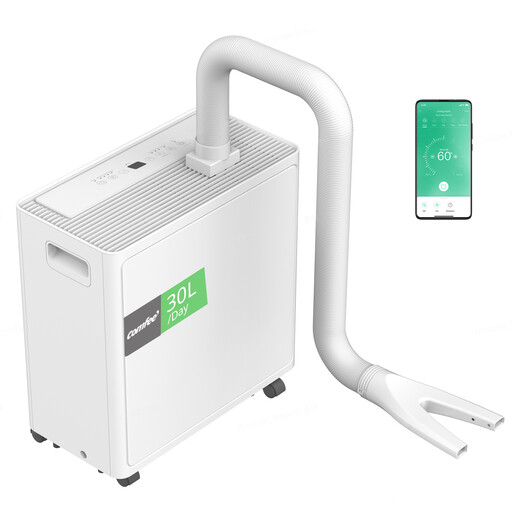 No image available
The stated laundry-drying mode is useful for households that dry laundry indoors.
Specifications include 30 l/24 h at 30 °C and 80 % relative humidity, a 3,2-l tank and continuous drainage. The operating range is 5–32 °C.
 No image available
A real-time humidity display and laundry-drying mode are useful for monitoring conditions while drying laundry indoors.
Specifications include up to 10 l/day, a 2,5-l tank and a room size of around 40 m³ (16 m²).
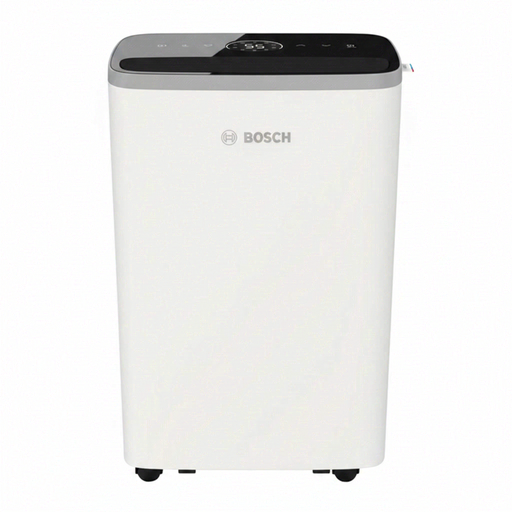 No image available
The stated Laundry mode is designed for drying laundry; the tank and hose connection offer different ways to drain the water.
Specifications include 16 l/day, up to 75 m³, a 2,5-l tank and 40 dB. According to the product details, the hose for continuous drainage is not included.
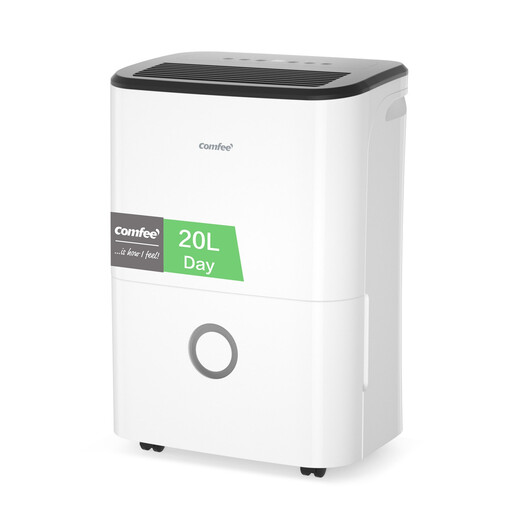 No image available
The Drying mode is designed for indoor laundry; for longer periods of use, continuous drainage can be an alternative to the tank.
Specifications include up to 20 l/24 h, a 3-l tank and a room size of around 100 m³ (40 m²).
 No image available
This model is described as a compressor dehumidifier and comes with a laundry-drying function and adjustable humidity control.
Specifications include up to 16 l/day, a 2,5-l tank and continuous drainage with drain hoses.
Yes. The German Environment Agency recommends regular ventilation when drying wet laundry. A dehumidifier is no substitute for air circulation or for investigating a leaky building or one that is persistently damp.
Compare the permitted temperature range for the specific model with the actual room temperature, and also check the room size and the conditions behind its performance figures. Trotec specifies operation from 1 °C for the TTR 57 E; this manufacturer’s figure applies to that model and does not guarantee a particular drying time.
Keep the air inlet and outlet clear, follow the clearance requirements in the instructions for the specific model and make sure water from the laundry cannot drip onto the appliance. Safe clearances vary between models.
Without a suitable hose connection to a drain, you’ll need to empty the tank. Wood’s specifies a 2-l tank and a hose connection for the WDD80; check whether a suitable drain can be reached safely from the intended position.
Multiply the power consumption in kilowatts by the number of hours the appliance is running, then multiply the result by your electricity price per kilowatt-hour. The actual running time may vary depending on the humidity control and surrounding conditions.