Owners of cool conservatories
If water forms on the windows during the colder months, check whether the appliance can operate at the actual room temperature. Trotec lists conservatories as a potential use for the TTR 57 E.


If your enclosed conservatory regularly stays cool and the measured humidity remains high despite adequate ventilation, a desiccant dehumidifier may be worth considering, provided its operating temperature range and stated room size are suitable. First check for sources of moisture and cold surfaces; then compare drainage options and power consumption, as a maximum litres-per-day rating does not guarantee dry windows. The Consumer Advice Centre recommends monitoring humidity with a thermo-hygrometer; the Environment Agency advises taking particular care with ventilation if you have lots of plants or other sources of moisture.
If water forms on the windows during the colder months, check whether the appliance can operate at the actual room temperature. Trotec lists conservatories as a potential use for the TTR 57 E.
If you have plants or other sources of moisture, it’s worth distinguishing between ventilation and additional dehumidification. The Environment Agency recommends paying particular attention to regular ventilation when you have lots of plants or other sources of moisture.
If you plan to use the appliance frequently, tank emptying, drainage, controls and power consumption are important factors to consider. Check these details for the specific model and how you intend to use it.
When it makes sense: If your conservatory is cool, humidity readings are repeatedly high and ventilation alone isn’t enough, consider a model whose operating temperature range matches the measured room temperature.
Things to weigh up: The tank or drainage option needs to suit how you plan to use it; the amount of water collected will still depend on the conditions in the room.
When it makes sense: If condensation appears from time to time, or plants and other sources of moisture are a factor, check humidity, ventilation options and possible structural causes.
Things to weigh up: Ventilation requires attention; a dehumidifier won’t fix water ingress or a cold thermal bridge.
When it makes sense: If your conservatory is warm enough most of the time, you could also consider a model whose stated operating temperature range matches the measured room temperature.
Things to weigh up: At low temperatures, the practical dehumidifying performance of many compressor models may fall. The type of appliance alone doesn’t tell you which will use less electricity or keep your windows dry.
| What matters | What to look for | Who should pay particular attention? |
|---|---|---|
| Suitability for cold conditions | Measure the temperature when condensation typically forms and compare it with the operating range of the exact model. Also check the stated room size. | If my conservatory stays cool, I want to know whether the appliance can be used at the measured temperature. Around 33% of consumers put suitability at low temperatures first. |
| Cause of the moisture | Monitor humidity and temperature, and check for plants, other sources of moisture, ventilation options and areas that are repeatedly wet. | If damp keeps coming back, I want to find out first whether a source of moisture or part of the building is involved, rather than just treating the symptom. Around 27% of consumers put identifying the cause first. |
| Power consumption | Compare the power consumption of the specific model with the operating mode you plan to use and the expected running time. | If I’m using the appliance regularly, I want to be able to estimate its power consumption over the planned running time. Around 20% of consumers put power consumption first. |
| Drainage and placement | Check the tank capacity, automatic shut-off when the tank is full, the specified hose connection, access to a drain and the model-specific placement instructions. | If I want to run the appliance for longer without emptying the tank frequently, I need a suitable drain and a safe place to position it. Around 20% of consumers put drainage and placement first. |
A dehumidifier reduces humidity, but it won’t fix a leak or another structural cause of damp.
Measure humidity and temperature, check for sources of moisture and assess ventilation. If parts of the building keep getting wet, have them inspected.
The amount of water collected in practice depends on factors including temperature, humidity and moisture entering the room. EcoAir states that the DD1 Classic collects up to 7.5 l per day specifically at 20 °C and 60% relative humidity.
Compare the conditions behind the performance rating with how you’ll actually use the appliance, and check the full model’s permitted temperature range.
A hose connection doesn’t replace a suitable drain or the appliance’s safety and placement instructions.
Check the hose route and placement against the instructions for the specific model. Wood’s notes that remote start isn’t possible on the WDD90 for safety reasons.
Trotec describes the TTR 57 E as a desiccant dehumidifier for smaller, including unheated, rooms and lists conservatories as a potential use.
The DD1 Classic MK6 is described as a desiccant dehumidifier for unheated rooms.
Wood’s describes the WDD90 as a model for cold rooms; a German product page also lists this model.
The Joybuy products below are dehumidifiers for rooms of different sizes. If you have a cool conservatory, check before buying that the temperature range of the specific model matches the measured room temperature.
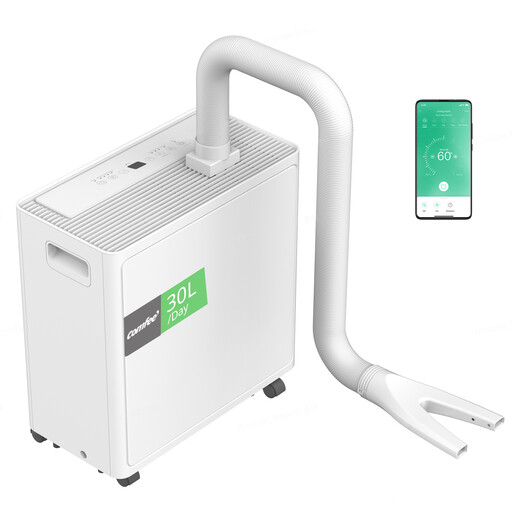 No image available
For regular moisture build-up, provided the room size and operating conditions suit the model.
Specifications include moisture removal of up to 30 l per 24 hours, a room size of around 130 m³, a 3.2-l tank and continuous drainage. The stated operating range is 5–32 °C; check that this matches the temperature in your conservatory.
 No image available
An option for smaller rooms, provided the stated room size suits your needs.
Specifications include moisture removal of up to 10 l per day, a room volume of around 40 m³ and a 2.5-l tank. The Smart mode has a target range of 45–55% relative humidity; before using it in a cool conservatory, check that its operating range suits the room temperature.
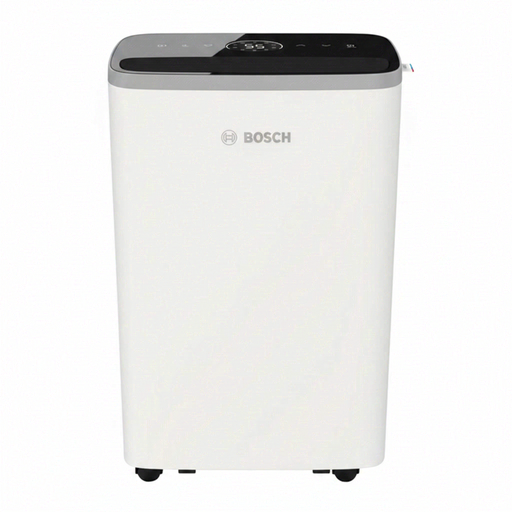 No image available
For a room whose stated volume and actual temperature suit the model.
Specifications include moisture removal of up to 16 l per day, a room volume of up to 75 m³, a 2.5-l tank and continuous drainage. The drainage hose isn’t included; also check whether the model is suitable for the temperature in your conservatory.
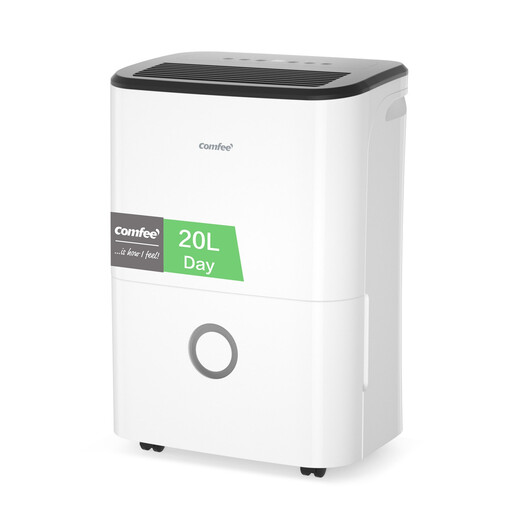 No image available
For a room where the stated size and drainage option suit the way you plan to use it.
Specifications include moisture removal of up to 20 l per 24 hours, around 100 m³ or 40 m², and a 3-l tank. Continuous drainage is possible, but the hose isn’t included; before using it in a conservatory, check that the operating range suits the room temperature.
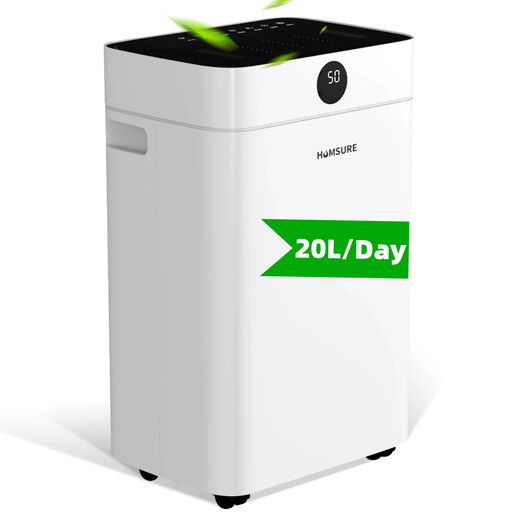 No image available
For a room where the stated size and drainage option suit your needs.
Specifications include moisture removal of up to 20 l per day, a room size of up to 50 m² and a 2.8-l tank. According to the product description, continuous drainage uses gravity and requires a hose routed to a lower-level drain.
No single indoor humidity reading guarantees dry conservatory windows. Consumer advice centres give 40–60% relative humidity as a general guide for heated living spaces and recommend using a thermo-hygrometer. So, keep an eye on readings and condensation together.
Follow the instructions for the exact model, keep the air inlet and outlet clear, and protect the appliance and its connection from water. Empty the tank or use only the specified drainage option; unplug the appliance before cleaning the filter. Clearances and maintenance steps vary by model, so follow its instructions.
Compare the power consumption with how long you plan to run the appliance, and check the tank capacity, filter maintenance and route to a suitable drain. A maximum litres-per-day rating alone won’t tell you how long the appliance will run in your conditions or how often you’ll need to empty the tank.
For electrical appliances covered by the relevant EU rules, the manufacturer uses the CE marking to declare that the product meets the applicable requirements. The European Commission notes that CE is not an independent quality mark awarded by a central EU body. Check the product identity and required manufacturer information in the specific listing.
No. The Environment Agency explains that electrical waste must be collected separately and lists recycling centres and suitable retail take-back points as disposal options.