What should you look for when buying?
Ventilate first, then take a reading. If moisture remains in your cool conservatory, compare suitable appliances by their temperature limits, operating conditions and the effort involved in managing power and water.
| Criterion |
What to check before buying |
Who should consider this? |
| Dehumidifying at low temperatures |
Check the room temperature against the temperature range of the exact model version. Compare performance figures only when the temperature and humidity conditions match. |
If my conservatory is sometimes unheated, it matters that the appliance suits the temperatures actually found there. Around 33% of consumers put cold-weather suitability first. |
| Humidity after showering |
Measure humidity before and after ventilating. Then check whether the room size and appliance performance suit the remaining need. |
If I ventilate after showering, I want to know whether moisture still lingers in the conservatory. Around 27% of consumers prioritise clearing this humidity peak. |
| Power consumption and water drainage |
Check power consumption in the mode you use, tank capacity and whether a hose connection is provided. |
If the appliance will run for longer periods, I want to know how often I’ll need to empty the tank and how much power the selected mode uses. Around 20% of consumers focus primarily on these running requirements. |
| Safe positioning |
Follow the positioning and safety instructions for the specific appliance. Protect it from standing water and keep moisture away from electrical components. |
If the appliance is to be placed near a shower, I first need to check whether that particular spot is suitable. Around 20% of consumers put safe positioning first. |
Dehumidifiers at Joybuy
The Joybuy products below are dehumidifiers for general humidity control. The AUX model is explicitly described as having an internal compressor. If you’re considering any model for a cool conservatory, check its type and temperature range first.
 No image available
Comfee MDDO-10DEN7
For a smaller room, the stated coverage and adjustable humidity settings are useful points to consider.
Figures include up to 10 l per 24 hours, approximately 40 m³, a 2.5-litre tank and a Smart mode for 45–55% humidity.
Joybuy
 No image available
Bosch Dry 4000
The stated room size and Auto mode can help you shortlist appliances for humidity control that responds to demand.
Figures include up to 16 l per day, coverage of up to 75 m³ and a 2.5-litre tank. A hose connection for continuous drainage is provided; the product description says the hose is not included.
Joybuy
 No image available
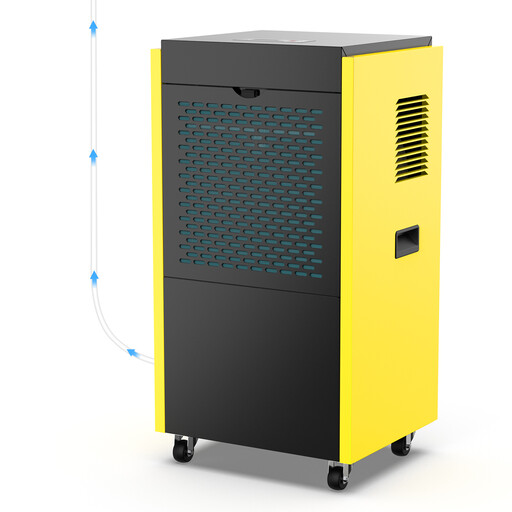
DAHTEC Building Dehumidifier
The product description presents this appliance as suitable for professional use and large spaces. Check whether that specification suits your needs.
Figures include up to 90 l per day, an integrated pump and a vertical delivery height of up to 5 m. The description states that it is suitable for rooms up to 260 m².
Joybuy
 No image available
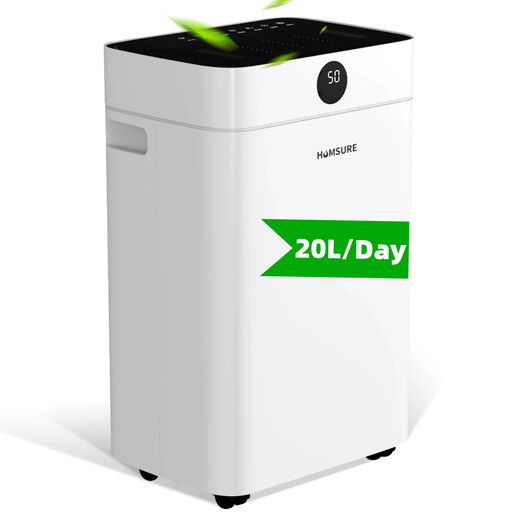
HUMSURE 20L/Day
For longer periods of use, the stated tank capacity and drainage option are important points to compare.
Figures include up to 20 l per day for rooms up to 50 m², a 2.8-litre tank and a hose for continuous drainage.
Joybuy
 No image available
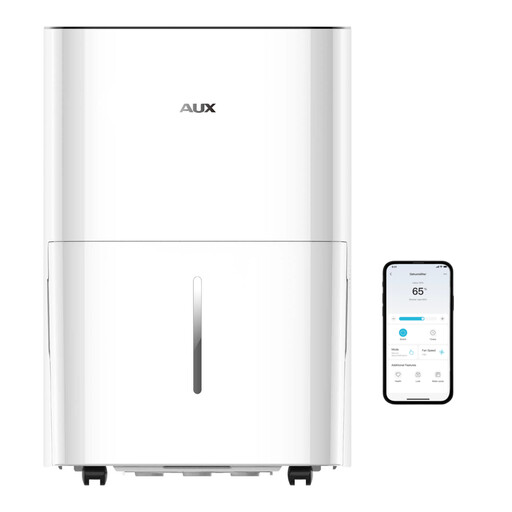
AUX 20L/Day dehumidifier
According to the product description, this model uses a compressor, so it is not a desiccant dehumidifier. Consider it only if a compressor model suits the conditions in your conservatory.
Figures include up to 20 l per day and coverage of up to 25 m². Wi-Fi control and a humidity sensor are also listed.
Joybuy
Frequently asked questions
Should I ventilate first or switch on the appliance after showering?
Ventilate first: the German Environment Agency recommends clearing humidity peaks promptly by airing the room thoroughly. If possible, use a squeegee to remove water from wet bathroom surfaces, then check whether moisture is lingering in the conservatory. Only then consider adding a dehumidifier.
Can I place a dehumidifier right next to a shower?
Not simply because it is designed to dehumidify. Meaco’s manual warns against operating the appliance in standing water, while Aktobis advises keeping moisture away from electrical components. If your shower is in the conservatory, check that the specific location is suitable before using the appliance.
What should I clean or empty if I’m using it for longer periods?
Check the tank or drainage system, and follow the cleaning and filter instructions in the relevant manual. For the Wood’s WDD80, the manufacturer lists a hose connection and a washable dust filter.
How can I estimate power consumption?
Multiply the power consumption in watts by the number of hours of use, then divide the result by 1,000 to calculate consumption in kilowatt hours for that period. Multiply the kilowatt hours by your electricity rate. Actual running time may vary in automatic mode.
What marking should I look for on a mains-powered dehumidifier in Germany?
For appliances covered by the EU Low Voltage Directive, the relevant safety requirements and CE marking apply. The directive covers rated voltages of 50 to 1,000 V AC. Your Europe explains that the CE marking is a declaration by the manufacturer, not an independent test mark. Check the marking on the specific appliance being offered.


