
Lieferung heute & morgen

Qualitätsgarantie

Willkommens-Angebote freischalten: KOSTENLOSE Lieferung | Bis zu 80 % RABATT | Kostenlose 30-Tage-JoyPlus-Testphase
App herunterladen
When temperatures rise, the air in the office or home office can quickly become stuffy, causing concentration to wane. A desk fan is an effective and space-saving solution for a refreshing breeze. But the selection is vast: from the classic desktop fan and the quiet bladeless fan to the flexible, battery-powered USB fan.
This guide is here to help. We'll introduce different types and explain which features are most relevant for your personal needs in the office and bedroom, so you can make an informed decision.
To find the right device for your needs, several technical features and functional aspects are crucial.
A loud fan can quickly become a distraction in a work or sleep environment. If you're looking for a quiet fan, the noise level rating in decibels (dB) is a key indicator. Models with a rating below 50 dB on the lowest setting are often considered pleasant for quiet environments. In contrast, for a workshop or a busy kitchen, noise may be a secondary concern, with performance being the priority.
The type of power supply determines how flexibly you can use the fan.
Modern desk fans offer more than just a simple stream of air.
Based on different needs for design, functionality, and performance, we've selected some standout models for you.
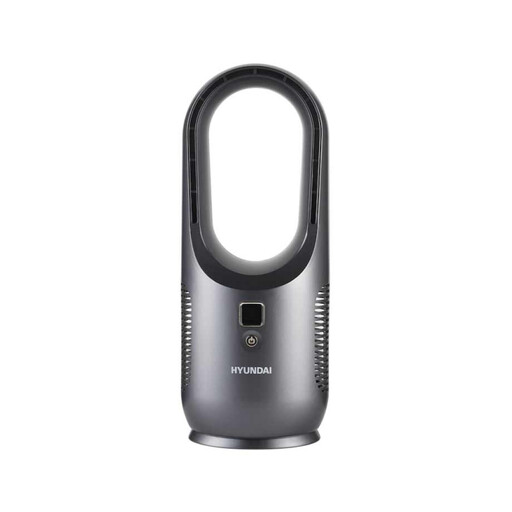
Why this model stands out: This model combines a modern, bladeless design with the flexibility of battery operation. Its dark grey finish with rose gold accents makes it a stylish accessory for any modern workspace.
Features:
Who is this model for? For users who value an attractive design, wireless freedom, and enhanced safety. Ideal for design-conscious offices, gaming setups, or as a safe small fan in households with children or pets.
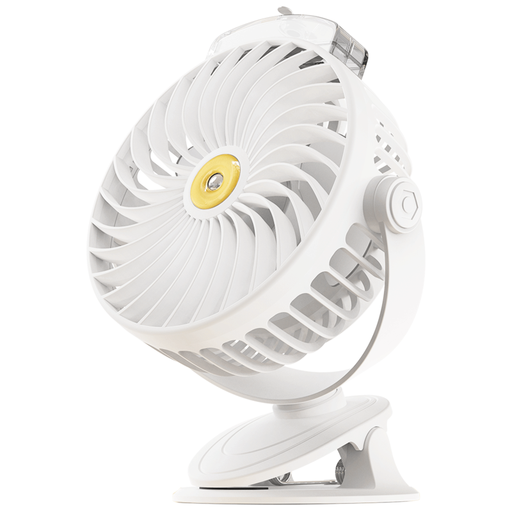
Why this model stands out: This fan's strength lies in its extreme versatility. It can be clipped on or used as a stand and offers a special misting function for extra cooling on particularly hot days.
Features:
Who is this model for? Perfect for users looking for a maximally flexible and space-saving cooling solution. The clip-on function makes it suitable for desk edges, bed frames, shelves, or even strollers. The misting function provides added value in dry office air.
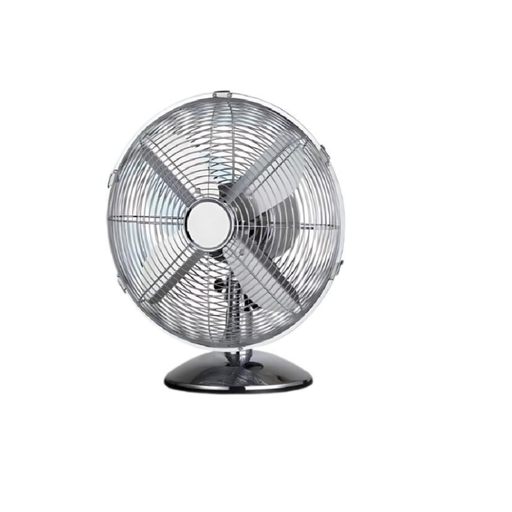
Why this model stands out: This fan features a robust all-metal construction and high airflow performance. Its classic chrome design and durable materials make it a reliable companion for continuous use.
Features:
Who is this model for? For those who prefer a powerful, durable, and sturdy fan in a traditional style. Its robust construction makes it ideal for larger offices, workshops, kitchens, or living rooms where high air circulation is needed.
The models presented here cover a range of different needs. If you haven't found the right device for you yet, or if you're looking for other sizes, specific features, or designs, it's worth exploring our wider selection.
Discover a wider selection in our Air Blowers category.
1. How much power does a desk fan use? Power consumption varies greatly depending on the model and size. A small USB fan like the Aigostar model often requires only 2 to 5 watts. In contrast, a larger, mains-powered fan with high performance, like the AKAI model, can consume 35 watts or more. You can find the exact specifications in the technical data for each product.
2. What does an "oscillating" fan mean? An oscillating fan has a swivel function that automatically moves the fan head from side to side. This ensures a wider distribution of airflow in the room, rather than just blowing on one spot. This feature is particularly useful for cooling a larger area or when several people are in the room.
3. Are bladeless fans quieter? Not necessarily. The term 'bladeless' means that the fast-spinning blades are not visible; the mechanism for generating airflow is located in the base of the device. The noise level depends on the quality of the motor and the design of the air duct. An objective comparison is best made using the manufacturer's decibel (dB) rating. For example, the featured Hyundai fan is specified at a maximum of 60 dB, which provides a concrete reference point.