
Lieferung heute & morgen

Qualitätsgarantie

Willkommens-Angebote freischalten: KOSTENLOSE Lieferung | Bis zu 80 % RABATT | Kostenlose 30-Tage-JoyPlus-Testphase
App herunterladen
A cluttered desk is more than just an eyesore—it hinders concentration and reduces productivity. A functional desk letter tray is a simple yet effective solution. However, the market is flooded with models whose flaws often only become apparent with daily use. Many buyers invest in products that bend, rust, or prove impractical after just a few months.
As your Joybuy Product Recommendation Officer, I'm here to help you avoid these pitfalls. Instead of relying on marketing promises, we'll focus on the objective criteria that define a quality document organiser. This guide will show you how to avoid the three most common purchasing mistakes and find a model that genuinely makes your workday easier.
To make an informed decision, you should focus on three core parameters. These define the longevity and functionality of your future desk organiser.
The material is the primary factor determining the stability and lifespan of your tray.
A stackable file tray is an excellent solution for utilising vertical space and minimising the desk footprint. Check if the models have a secure interlocking system that prevents slipping. Some systems allow you to remove or reposition individual trays as needed, which increases flexibility. This is a key feature for an efficient office organiser.
Don't just measure whether A4 paper fits. Also consider the height and depth you need for your typical documents.
Instead of making a one-size-fits-all recommendation, we have identified models tailored to specific user profiles and their requirements.
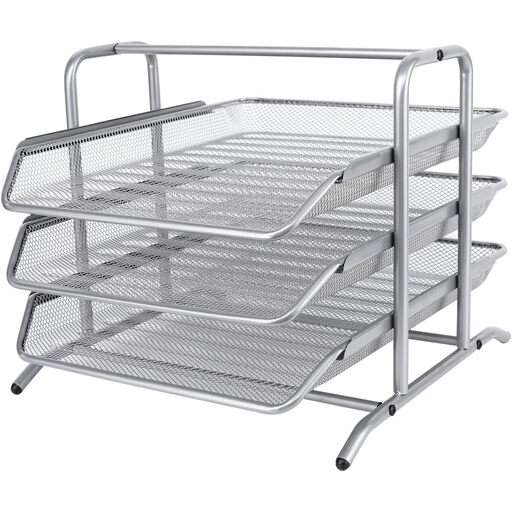
Why This Fits Their Persona: Ideal for a classic home office or corporate workspace. With three trays, this model offers a good compromise between capacity and footprint, and its simple design blends into any environment.
The powder-coated metal and sturdy construction counteract the instability trap. The carefully finished edges also prevent the risk of injury from sharp burrs.
The slide-out trays provide convenient access to all documents. Non-slip rubber feet protect the desk surface from scratches and ensure a secure footing.
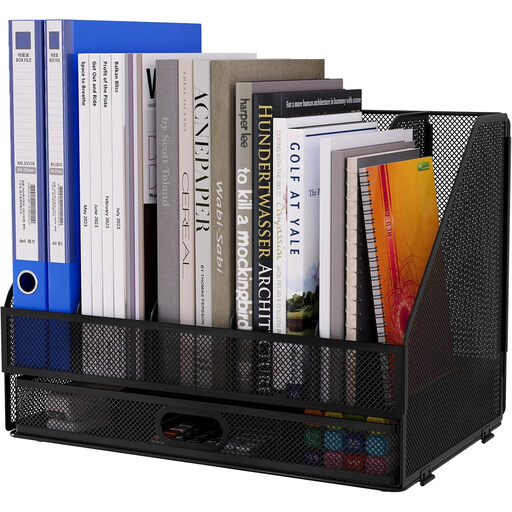
Why This Fits Their Persona: Perfect for users with a high volume of paperwork who need to organise various types of documents and office supplies. Ideal for project managers, teachers, or the central family office.
This model bypasses the trap of limited versatility. It combines five vertical sections for files and magazines with an integrated drawer for pens and small items, rather than offering just one type of storage.
The all-in-one solution consolidates multiple organisational functions into a compact footprint. The robust metal construction ensures high stability even when fully loaded.
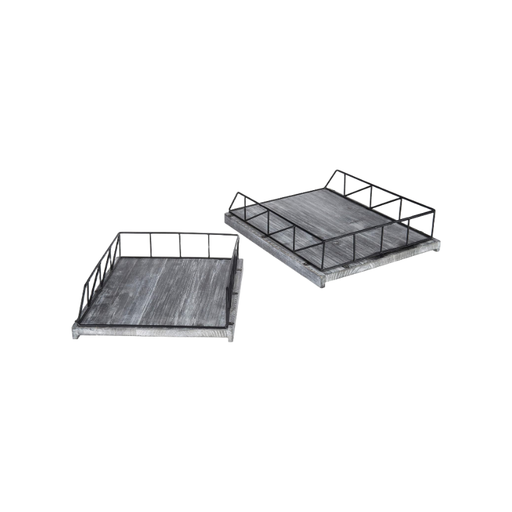
Why This Fits Their Persona: For anyone who values appealing aesthetics and wants a workspace that is more than just functional. It fits well in modern living and working environments with a touch of vintage or industrial design.
This set escapes the trap of a cheap material feel. The combination of vintage-look wood and a black metal frame offers a significantly more premium touch and appearance than standard plastic or wire mesh.
The trays are stackable, yet the drawers remain extendable, which simplifies access. The material mix of wood and metal is both robust and a visual highlight.
We've compiled a complete, up-to-date list of products that fully meet these strict selection criteria.
For a powder-coated metal letter tray, a soft, dry cloth is usually sufficient to remove dust. Avoid harsh cleaning agents and excessive moisture, as they can damage the protective layer and lead to corrosion.
Yes, provided they are designed for that purpose. Look for models with a solid frame or special locking mechanisms that prevent the individual tiers from slipping. Simply placing individual trays on top of each other without a securing feature is not recommended. Check the manufacturer's specifications for the maximum stacking height.
This depends on the internal height of the trays. While standard A4 paper will fit in almost any paper tray, you should check the product specifications carefully for thicker folders or binders. A clearance of 5 to 7 cm between tiers generally provides enough space for most folders and stacks of documents.