Choose a desktop based on whether your existing scanner works with its operating system and connections, and whether your software supports the recipe fields you want. OCR can extract text from scans, but it won’t automatically make handwriting error-free or create custom database fields. Allow time to check the text, and keep separate backups of your scans and recipe data.
Who would benefit from a recipe archive on a PC?
Collectors with a paper archive
If you want to digitise a large number of recipe cards, check the scanner connection and scanning process, and keep the originals so you can compare them with the recognised text. Germany’s Federal Office for Information Security recommends backing up files you create yourself.
Recipe hunters who want custom fields
If you want to organise recipes by ingredients or occasion, you’ll need more than just a PC: you’ll also need an application that lets you create and search suitable fields. The LibreOffice help documentation explains how to search for values in database fields and forms.
Users with limited desk space
If you need to fit a scanner, monitor and PC into a small space, check the case size, connections and peripherals included with the specific configuration. Lenovo lists the ThinkCentre Neo 50q Gen 5 as a compact desktop option.
What should you look for when choosing one?
| Requirement |
What to check before buying |
Who is this most important for? |
| Capture and check handwriting |
Test the scanning and OCR process with your own recipe cards. Microsoft Support notes that recognition depends on image quality and that recognised text should be checked. |
If you want to transfer ingredients and quantities from lots of handwritten cards, comparing the text with the paper original is important; around 29% of consumers prioritise text capture. |
| Search custom fields |
Decide which recipe fields you want, then check that the application supports entering and searching them. The LibreOffice help documentation explains how to search database fields and forms. |
If you want to find recipes by ingredients or occasion, for example, a suitable field structure is essential; around 29% of consumers prioritise searching custom fields. |
| Connect your scanner and other devices |
Check your scanner’s drivers and supported interfaces, as well as the connections and what’s included with the specific PC configuration. NAPS2 explains how to select devices in Windows using WIA, TWAIN or eSCL. |
If you want to keep using your scanner, monitor and existing input devices, make sure they’ll work with your particular setup; around 24% of consumers put device compatibility first. |
| Keep your recipes safe for the long term |
Check whether you can back up and restore scans and database files separately from your PC. Germany’s Federal Office for Information Security provides guidance on backing up files you create yourself. |
If you don’t want to lose a growing recipe collection if a device fails, you’ll need a backup you can restore; around 18% of consumers prioritise protecting their archive. |
Common pitfalls
-
Assuming OCR will capture handwriting perfectly
Microsoft Support notes that text recognition depends on image quality and that recognised text should be checked. Otherwise, errors in ingredients or quantities can carry over into your digital collection.
Test the process with your own recipes, and compare the ingredients and quantities with the paper original.
Allow time to check and correct the text.
-
Mistaking searchable scans for a database with custom fields
Searchable PDF text isn’t a substitute for creating your own structure for ingredients, occasions or other personal search criteria. You’ll need to set up and fill in the relevant fields in a suitable application.
Test the whole process, from scanning to creating a completed recipe record you can find again.
Factor in the extra time needed to set up and maintain your field structure.
-
Choosing a PC without checking your whole setup
Scanner connectivity depends, among other things, on drivers and supported interfaces. Connections and included peripherals vary between device configurations.
Check the specific PC configuration against the scanner, monitor and input devices you actually need.
-
Keeping your only copy of the recipe archive on your PC
If a device or storage medium fails, your recipe data and scans could be affected. Germany’s Federal Office for Information Security recommends backing up files you create yourself.
Plan and test a backup of your scans and database files that’s kept separately from your PC.
You’ll need a suitable storage device or service to keep a separate backup.
Brands worth considering
Dell
The Pro Slim Plus range is available in a choice of configurations.
- One configuration of the QBS1250 listed by Dell includes Windows 11 Pro, 16 GB of RAM and a 512 GB SSD.
- These specifications don’t necessarily apply to every product in the range, nor do they prove particular suitability for handwriting recognition.
HP
The OmniDesk-M03 range includes Windows desktops; HP notes that components vary between configurations.
- HP’s specifications for the M03-0790ng list Windows 11 Home, 32 GB of RAM and a 2 TB SSD.
- This model’s specifications don’t prove that it delivers better OCR results or that these are the minimum requirements for a recipe archive.
Lenovo
The ThinkCentre Neo 50q Gen 5 is a compact desktop option for workspaces with limited room.
- One configuration described by Lenovo includes Windows 11 Home and a 512 GB SSD.
- Check whether the specific product includes a keyboard and mouse, and whether you can connect your scanner and monitor.
Joybuy desktop PCs for scanning and database workflows
The Joybuy models below are Windows desktops for scanning and database workflows. Before buying, check that the connections and configuration suit your scanner and workspace.
 No image available
HP Z2 Mini G1a Ryzen AI Max+ Pro 395
Its compact design could suit a workspace with limited room; check that the connections work with your scanning and database workflow.
Windows 11 Professional, 128 GB of RAM and a 2 TB SSD.
The description lists Thunderbolt 4 and USB ports, as well as dimensions of 20 × 8,55 × 16,8 cm.
View at Joybuy
 No image available
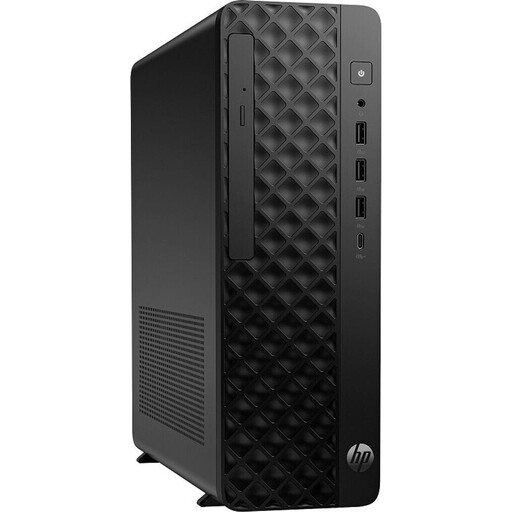
HP Z2 SFF G1i A40M2ET#ABD, Core Ultra 7 265K
The SFF case is an option if you’re looking for a compact Windows desktop for scanning and database workflows; check that the connections match your devices.
32 GB of DDR5 RAM at 5600 MHz and a 1 TB M.2 SSD.
The product specifications also list an RTX A400 with 4 GB and Windows 11 Pro.
View at Joybuy
 No image available
HP Z1 Tower G1i A40T1ET#ABD, Core Ultra 9 285
The tower version could be a good fit if you’re considering a desktop for scanning and database workflows and have enough room; check that it has the connections your existing devices need.
64 GB of DDR5 RAM at 5600 MHz and a 1 TB M.2 SSD.
The product specifications also list Intel Graphics and Windows 11 Pro.
View at Joybuy
 No image available
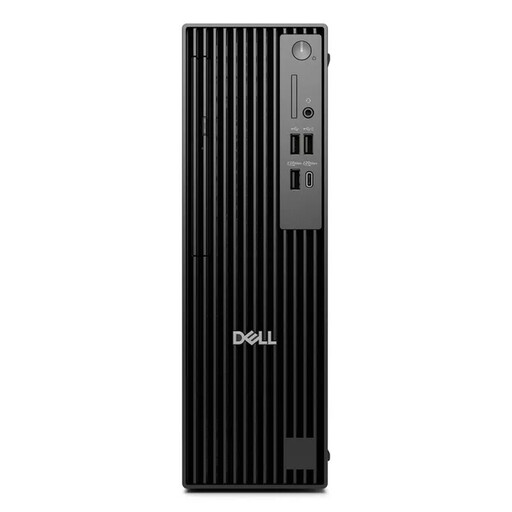
Dell Pro Plus SFF QBS1250 Slim desktop PC
The SFF format is an option for a compact scanning and database workspace; check that the connections suit your scanner and monitor.
Intel Core Ultra 7 265, 32 GB of DDR5 RAM and a 512 GB NVMe SSD.
The product specifications also list Intel Graphics and Windows 11 Pro.
View at Joybuy
 No image available
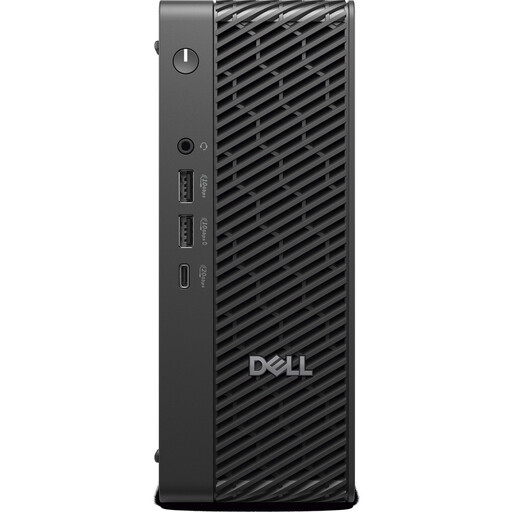
Dell Pro Max Micro FCM2250 TPM, Core Ultra 7
The Micro case is an option if you have limited desk space; check that it has the connections you need for your scanner and monitor.
16 GB of DDR5 RAM at 6400 MHz and a 512 GB M.2 PCIe SSD.
The product specifications list Windows 11 Pro and four USB 3.0 ports.
View at Joybuy
Frequently asked questions
Will a desktop PC automatically create searchable fields from handwritten recipes?
No. OCR can extract text from a scan for searching or further processing, but you’ll need to create and fill in custom fields in a suitable application. Check recognised words and quantities against the original.
How do I connect my existing scanner?
First, check that your scanner’s driver and connection are compatible with the operating system you’ve chosen. NAPS2 explains how to select devices in Windows using WIA, TWAIN or eSCL; if your scanner doesn’t appear, check that you have the correct manufacturer’s driver installed too.
How do I back up my digital recipe collection?
Back up your scans and structured recipe collection files separately from your PC. Test that you can restore the backup.
What rights apply when buying a desktop PC online?
When consumers buy online in the EU, they generally have a 14-day cooling-off period from the date of delivery. Exceptions may apply, and return postage may be payable. If goods are faulty, you’re generally entitled to a legal guarantee of at least two years from the seller. This is separate from any voluntary manufacturer’s warranty.


