For a contact form designed mainly in a browser, the right software, a comfortable screen setup and the specific PC configuration matter more than an especially powerful graphics card. A mini PC saves desk space, a larger desktop can leave more room for changes, and a Mac mini is a good fit if the software and devices you need work with macOS. Before buying, check the ports and what’s included with the specific configuration.
Which setup is right for you?
Designing a form in your browser
If you’re designing a contact form and checking it directly in your browser, you’ll need a suitable browser, a well-organised screen setup and a system that already has the features you need. Figma describes its software as primarily browser-based.
Working with a design and preview
If you switch between the design, a form preview and other windows, check that the ports on the specific PC match your screens and support the monitor layout you want.
Making the most of limited desk space
If your desk is small, a compact case can make it easier to find a place for your PC. At the same time, check what accessories are included and what scope the specific device offers for future changes.
What matters when buying?
Windows mini PC
A good fit if: you have limited desk space and mainly work in a browser or with Windows software.
Things to consider: A compact design doesn’t guarantee software compatibility, everything you need being included or good upgrade options.
Compact Windows desktop or tower
A good fit if: you want to connect several devices or make changes later.
Things to consider: A larger case and more ports take up space; compare the ports and expansion options on the specific model.
Mac mini
A good fit if: you want to work with macOS and the software, display and accessory connections you need are compatible.
Things to consider: Figma offers a macOS app as well as browser-based use, but that doesn’t mean other software will be compatible. Choose a display and accessories that work with the specific model.
| Consideration |
What to check before buying |
Who is it important to? |
| Software and specifications |
Check that the application you need, supported browser and operating system are compatible, and compare the memory and storage of the specific model. |
If you want to design your form using your usual software, compatibility comes first. Around 33% of consumers rank this as their top consideration. |
| Display and ports |
Check that the video outputs on the specific PC match your existing monitor; if you use multiple screens, check that they’re supported. |
If you want to see the design and preview side by side, your PC and screens need to work together. Around 27% of consumers prioritise the display and ports. |
| Desk space and working environment |
Check the device’s dimensions, where you’ll put it and its documented upgrade options; don’t assume how noisy it will be based on its design alone. |
If you’re short on desk space, the size of the case becomes a practical factor in your choice. Around 20% of consumers prioritise the space it takes up. |
| What’s included and future use |
Compare the included accessories, software you need, warranty terms and options for future changes against the product listing. |
If you’re planning a complete workstation, remember to factor in any devices you still need and potential future changes. Around 20% of consumers prioritise total cost and future usability. |
Common buying misconceptions
-
Assuming the model name tells you the exact configuration
Specifications such as the processor and storage can vary within a model family. Similar names don’t automatically mean two listings are for the same configuration.
Check the full model number and the components listed for the specific product.
-
Assuming a small PC comes with everything you need
The Lenovo configuration in question doesn’t include a keyboard or mouse. The monitor also needs to be compatible with the PC’s ports.
Before buying, check what’s included and make sure the devices and ports you need match the equipment you already have.
-
Confusing form design with lawful publication
If you publish a form that collects personal data, you’ll also need to consider how that data is processed. Buying a PC won’t address these requirements. The European Data Protection Board explains that controllers need a legal basis for processing and must inform the people concerned.
Consider the design and publication separately: test the fields and notices, then check the requirements that apply to the specific data processing.
Brands to consider
Dell
The Pro Slim Plus QBS1250 is a configurable compact desktop option if Windows and future configuration or service decisions matter to you.
- For one listed base configuration, Dell specifies a Core Ultra 5 235, 16 GB DDR5, a 512 GB SSD and Windows 11 Pro.
- Dell notes that the actual specifications depend on the configuration you choose. Check the exact model rather than relying on the name alone.
HP
The OmniDesk M02-0775ng is a Windows desktop designed for a fixed workstation.
- For this version, HP specifies 16 GB RAM, a 1 TB SSD, and DisplayPort and HDMI connections for up to two monitors. HP says a wired mouse is included.
- These details apply to the OmniDesk M02-0775ng. Check what’s included with the specific listing before planning to buy extra accessories.
Lenovo
The ThinkCentre Neo 50q Gen 6 is a compact business desktop option for a workstation with limited desk space.
- For the German configuration shown, Lenovo specifies Windows 11 Pro, 16 GB memory and a 512 GB SSD.
- This configuration doesn’t include a keyboard or mouse. Its specifications don’t necessarily apply to other ThinkCentre versions.
Apple
The Mac mini is a compact macOS alternative if the design tools you use are compatible with the platform.
- Apple lists Thunderbolt and HDMI ports for Mac mini models.
- Ports and display support vary by chip and configuration. Check that the software you need is compatible separately.
Joybuy products at a glance
The products below include Windows mini PCs, a compact Windows desktop and a Mac mini. Compare the specifications of each model with your software, screens and existing accessories.
 No image available
SOYO Y5Pro mini PC, Intel Core i5 8250U/8350U, 8 GB DDR4, 256 GB SATA SSD, Windows 11
Could suit a Windows workstation with two screens, provided the software you need and your monitors are compatible with the specific model.
The product title lists Windows 11, 8 GB DDR4 and a 256 GB SATA SSD. The description lists two HDMI outputs; check the ports and exact processor version before buying.
View at Joybuy
 No image available
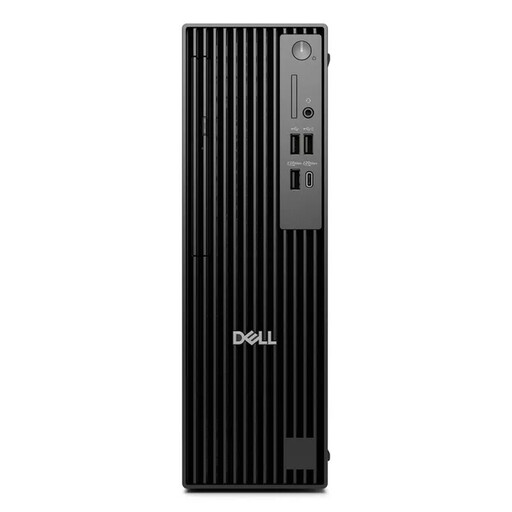
Dell Pro Plus SFF QBS1250 Slim desktop PC, Intel Core Ultra 7 265
Could be a good fit if you’re looking for a compact Windows desktop with several DisplayPort outputs; check that the ports you need match your monitors.
The description lists Windows 11 Pro, 32 GB RAM, a 512 GB NVMe SSD and three DisplayPort outputs. This Joybuy version isn’t necessarily the same as another configuration in the same model family.
View at Joybuy
 No image available
Apple Mac mini, Apple M6, 24 GB Unified Memory, 512 GB SSD
Could be worth considering if the software you need works with macOS and the ports are right for your display and accessories.
The product title lists 24 GB Unified Memory, a 512 GB SSD, Thunderbolt 4 and HDMI. The description says it supports up to three displays; check that your specific devices and applications are compatible.
View at Joybuy
 No image available
BMAX B6 mini PC, Intel Core i3-8109U, 12 GB RAM, 256 GB SSD
Could suit office tasks in a small space, provided the ports match your screen setup and the PC works with the software you need.
The product title lists 12 GB RAM, a 256 GB SSD, HDMI and DisplayPort. The description gives dimensions of 125 × 112 × 34 mm and says it supports two screens.
View at Joybuy
 No image available
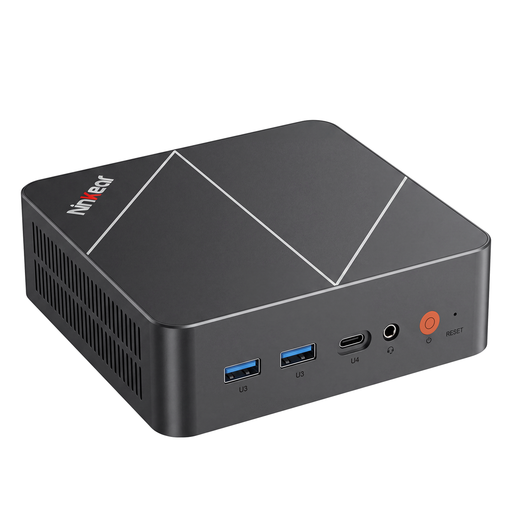
Ninkear L20 mini PC, Intel Core Ultra 5 226V, 16 GB RAM, Windows 11
Could be a good fit if you’re looking for a compact Windows mini PC for designing alongside preview windows, and the stated display support suits your workflow.
The title lists 16 GB RAM and an SSD with either 512 GB or 1 TB of storage. Check which storage option is included with the specific listing; the title and description both state support for three 4K screens.
View at Joybuy
Frequently asked questions
Do I need a specialist graphics PC to design a contact form layout?
Not just for a browser-based design. Figma describes its tool as primarily browser-based; first check the requirements of the application you actually use and whether your planned workflow works with preview windows.
How should I set up my workstation for designing and previewing a form?
Check that your monitor’s ports match those on the specific PC configuration. If you want to use two screens, make sure the version you’re considering supports them: HP lists DisplayPort and HDMI for up to two monitors on the OmniDesk M02-0775ng, while specifications for Mac mini models vary by chip and configuration.
What should I consider when it comes to accessories and ongoing costs?
Before buying, check whether you already have a monitor, keyboard, mouse and the software you need, or whether they’re included with the product. Lenovo explicitly lists the keyboard and mouse as not included with the ThinkCentre configuration in question.
Will a particular desktop PC make my published contact form GDPR-compliant?
No. If the published form collects personal data, the controller needs an appropriate legal basis for processing it and must inform the people concerned. The European Data Protection Board addresses these responsibilities independently of which PC brand you choose.
What should I consider when making form fields accessible?
The W3C guidelines recommend adding labels to form fields and providing instructions, such as which fields are required and what format to use. The legal requirements for a particular online service can’t be determined by your choice of PC alone.


