What should you look for when buying?
First, decide whether you’ll mainly work with raster images, vector shapes or both. Then compare the storage, ports and case size with the demands of your particular workspace.
| Priority |
What to check before buying |
Who should pay particular attention? |
| Working with multiple raster layers |
Check the RAM and SSD capacity of the specific configuration against your software and project size. Krita recommends 16 GB of RAM; Adobe recommends 16 GB or more for Photoshop 27.x. |
If I work with larger raster files containing multiple layers, I check the RAM and storage first. Around 33% of consumers say working with layers is their main priority. |
| Scalable paths and labels |
Check that the software and file formats suit your planned vector workflow. Inkscape describes vector shapes as scalable independently of a fixed pixel resolution. |
If I want to export routes, symbols and labels at different sizes, I pay particular attention to editable vector objects. Around 27% of consumers say scalable routes are their main priority. |
| Desk space, screen and pen input |
Check the case size and video ports of the configuration you’re ordering against your screen; check your drawing tablet’s operating system compatibility separately. |
If I need room for a drawing tablet as well as a screen, I compare the computer’s footprint and the ports I need. Around 20% of consumers prioritise drawing space and ports. |
| Current specification and future upgrades |
Check the installed RAM and SSD storage separately from any potential upgrades; plan for your screen and input devices separately. |
If I’m weighing up the specification for current projects against possible future upgrades, I check the specific configuration rather than relying on what the product range can support. Around 20% of consumers say this is their main priority. |
Joybuy desktop PCs for route illustrations
This Joybuy selection includes Windows desktop PCs and Mac mini configurations for layered raster illustrations and compact drawing setups.
 No image available
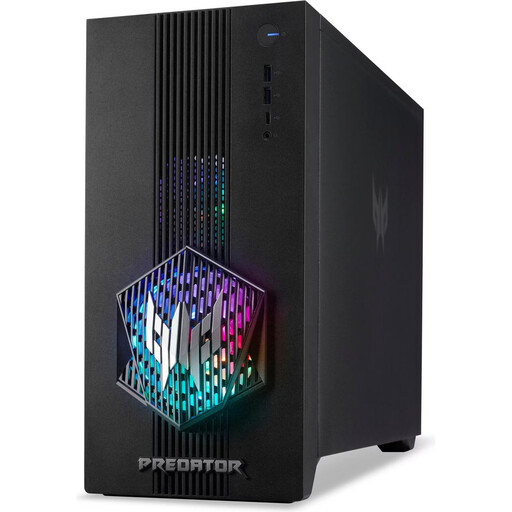
Acer Predator Orion 3000 Desktop i5 Ultra
For a Windows workspace with layered raster illustrations; check the storage against the size of your projects.
16 GB DDR5 RAM and 512 GB SSD.
RTX 5060 and Windows 11 Home.
View at Joybuy
 No image available
Apple Mac mini M6, 16 GB, 256 GB SSD
For a compact macOS drawing setup; check that your software and drawing tablet are compatible before buying.
16 GB unified memory and 256 GB SSD.
12-core CPU, 12-core GPU, Thunderbolt 4 and HDMI.
View at Joybuy
 No image available
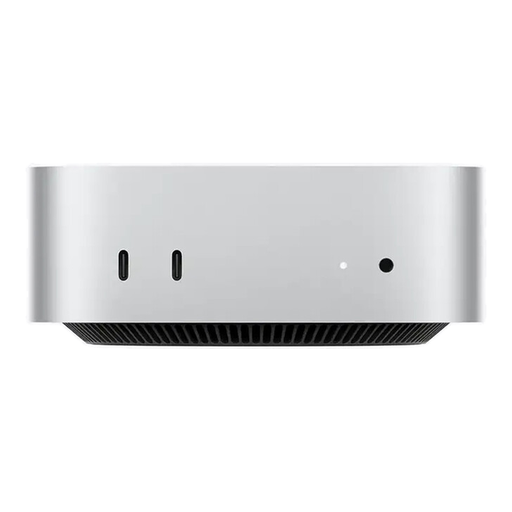
Apple Mac mini M6, 16 GB, 512 GB SSD
For a compact macOS drawing setup; compare the storage with your project files and check software compatibility.
16 GB unified memory and 512 GB SSD.
12-core CPU, 12-core GPU, Thunderbolt 4 and HDMI.
View at Joybuy
 No image available
Apple Mac mini M6, 24 GB, 512 GB SSD
For a compact macOS drawing setup; check that this configuration meets your software, tablet and storage needs.
24 GB unified memory and 512 GB SSD.
12-core CPU, 12-core GPU, Thunderbolt 4 and HDMI.
View at Joybuy
Frequently asked questions
Do I need a dedicated graphics card for route illustrations?
Not necessarily. For Photoshop 27.x, Adobe specifies a compatible GPU with DirectX 12, but doesn’t generally require a dedicated graphics card. Check the graphics hardware in the specific configuration and your software’s requirements; specialist features or large displays may call for different recommendations.
What should I check before connecting a drawing tablet?
First check that your tablet model supports the operating system you’ve chosen, then check the ports on the computer. Krita recommends a graphics tablet that’s compatible with the operating system; this doesn’t guarantee compatibility with every individual model.
What should I check first if my Krita projects are running slowly?
Check Krita’s performance settings, memory limit and the space available for other programmes running at the same time. Krita says you’ll need to restart the software for changes to these settings to take effect; they’re no substitute for hardware with enough capacity for your file sizes.
What other equipment should I plan for my drawing setup?
Consider your screen and input device separately from the desktop PC. Check that the monitor ports and your drawing tablet’s operating system compatibility match the specific configuration.
What statutory rights apply after buying a PC?
When you buy from a business seller, you have statutory rights if the goods are faulty. According to consumer information from the European Union, there is a minimum legal guarantee of two years from receipt of the goods; any additional commercial guarantee does not replace these statutory rights.


