If you want to keep using a suitably adjustable monitor and free up desk space, a standalone mini PC is a good place to start. First, check the operating system, ports and specification of the exact configuration. A tower is worth considering if internal upgrades are a priority. With an all-in-one, make sure the built-in screen can be adjusted to suit your sitting and standing positions. The Federal Institute for Occupational Safety and Health recommends alternating between sitting and standing when using a sit-stand desk, rather than standing all the time.
Which requirements matter to different users
Programmers with a height-adjustable desk
If you want to keep using your existing monitors, look for a space-saving setup and make sure cables and ports won’t get in the way as you switch between sitting and standing. The Federal Institute for Occupational Safety and Health describes the benefits of alternating between sitting and standing. Lenovo lists a 1-litre chassis for the ThinkCentre M70q Gen 6.
Developers using multiple tools at once
If you run containers or other development environments alongside your code editor, for example, make sure the system requirements and the exact memory configuration suit your project. Lenovo documents different configurations, while Docker outlines additional requirements for Docker Desktop with WSL 2 on Windows.
Developers committed to a particular platform
If your project requires macOS and Xcode, or a Windows-based workflow, choose the operating system before deciding on the form factor. Apple Developer lists the macOS versions supported by Xcode, while Docker documents the requirements for using the WSL 2 backend on Windows.
What to look for when buying
First, choose an operating system that supports the development tools you need. Then select a form factor based on the space available, your monitor and the level of upgradeability you want.
| Buying priority |
What to check |
Who it matters most to |
| Desk space and movement |
Where the PC will sit, whether its ports are within reach, and how the cables will run throughout the desk’s full adjustment range; consider a suitable monitor arm if needed. |
When I switch between sitting and standing, I don’t want the PC to get in the way of my monitor or cable routing. Around 29 % of consumers prioritise a space-saving setup at a height-adjustable desk. |
| Resources for development tools |
The software’s system requirements and the RAM, SSD and processor in the complete configuration; for Windows containers, check the requirements of your chosen Docker backend too. |
When I run builds, containers or several development tools at once, I want the specification to suit the way I actually work. Around 29 % of consumers prioritise the resources needed to run multiple tools at once. |
| Operating system and tool compatibility |
Before choosing a model, check your project requirements, the supported versions of your development tools and any architecture dependencies. |
When a project requires a particular platform, I want to be sure the operating system and tool version are compatible before I buy. Around 21 % of consumers prioritise platform compatibility. |
| Upgradeability and workspace setup |
Check what’s included, what peripherals you already have and the documented upgrade options for the exact model. |
If I want to upgrade components later or set up a workspace with a separate monitor, the overall specification matters to me. Around 21 % of consumers prioritise upgradeability and workspace equipment. |
Avoiding common buying mistakes
-
Focusing only on the small chassis
A model range’s display support doesn’t automatically mean the ports on a specific device will work with your monitors or suit your setup.
Make a note of the monitors and inputs you need. Then check the full order configuration and make sure the cables will reach throughout the desk’s entire adjustment range.
-
Comparing mini PCs and towers by size alone
If you need to add internal components later, an upgrade option you haven’t checked could limit how you use the PC. Which components can be upgraded depends on the specific model.
First decide whether the existing configuration is enough or whether internal upgrades are a priority. Then check the documentation for the device you’re considering.
-
Assuming an all-in-one will adjust to suit your needs
With an all-in-one, you choose the computer and screen together. The form factor alone doesn’t tell you whether the screen can be adjusted to suit your sitting and standing positions.
Before deciding against a separately positioned monitor, check how the specific device can be adjusted in both desk positions.
Key brands at a glance
Lenovo
ThinkCentre Tiny for a separate, space-saving setup; ThinkCentre Tower as an alternative when upgrades matter more.
- Lenovo lists a 1-litre chassis for the ThinkCentre M70q Gen 6. One specific configuration comes with 16 GB RAM and a 512-GB SSD.
- Lenovo describes the ThinkCentre M70t Gen 6 as having upgradeable memory options. The specification and upgradeability depend on the exact order number.
Apple
Mac mini: a compact macOS desktop for development tools that run on macOS.
- Apple documents different M6 and M5 Pro configurations for the Mac mini range, along with memory options and external display connections.
- Information about a model range doesn’t automatically confirm the specification of an individual offer. For Xcode, the version you need must be compatible with the supported macOS version.
Dell
Dell Pro Micro Plus: a compact desktop for use with a separate monitor.
- Dell lists the QBM1250 as an ultra-compact desktop.
- Dell notes that product images may differ from the selected configuration. Check the ports and what’s included in the specific offer.
HP
Pro Mini for a separate monitor; the OmniStudio all-in-one range if you need a screen as well.
- HP lists 16 GB RAM and a 512-GB SSD for the Pro Mini configuration 937U0EA#ABD.
- With an all-in-one, you choose the computer and screen together. That doesn’t mean every screen can be adjusted to suit a sit-stand desk.
ASUS
ExpertCenter PN54: a mini PC range for workspaces where multiple screens or ports are important.
- ASUS lists six USB ports and support for up to four 4K displays among the features of this range.
- These are manufacturer specifications for the range, not a guarantee for every variant. Check the ports and operating system on the specific model.
Joybuy products for your workspace
This selection includes standalone Windows mini PCs and Mac mini configurations for use with an external monitor.
 No image available
SOYO Y5Pro mini PC, Core i5-8250U/8350U
A compact Windows 11 configuration for a space-saving setup with compatible external monitors.
Windows 11, 8 GB DDR4, 256 GB SATA SSD; two HDMI outputs and one Type-C output.
The listed processor variant is Core i5-8250U/8350U. Check which version is included in the specific offer.
Joybuy
 No image available
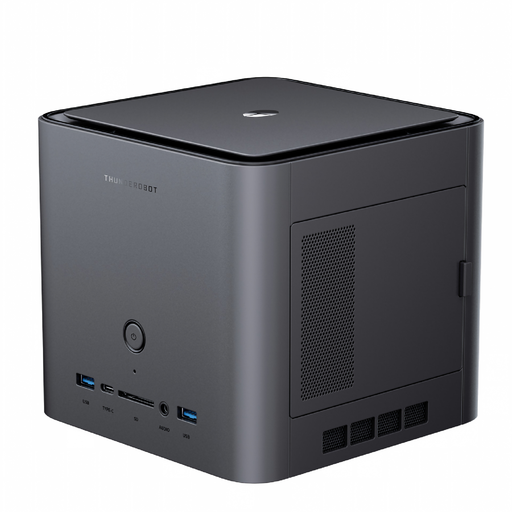
THUNDEROBOT Mini PC Workstation AI Max+ 395
The listed memory configuration may suit development workflows that run many tools at once. Check that it meets your project’s requirements.
128 GB LPDDR5X at 8000 MT/s and a 1 TB SSD. The title also lists Wi-Fi 7 and a side-mounted SSD interface.
Joybuy
 No image available
Apple Mac mini M6, 16 GB, 256 GB SSD
A macOS configuration for development tools that run on this platform, with support for an external monitor.
M6 with 12-core CPU and 12-core GPU, 16 GB Unified Memory, 256 GB SSD, Thunderbolt 4 and HDMI.
If you use Xcode, check that the version you need is compatible with the relevant supported macOS version.
Joybuy
No image available
Apple Mac mini M6, 24 GB, 512 GB SSD
A macOS configuration for development tools that run on this platform, with support for an external monitor.
M6 with 12-core CPU and 12-core GPU, 24 GB Unified Memory, 512 GB SSD, Thunderbolt 4 and HDMI.
If you use Xcode, check that the version you need is compatible with the relevant supported macOS version.
Joybuy
 No image available
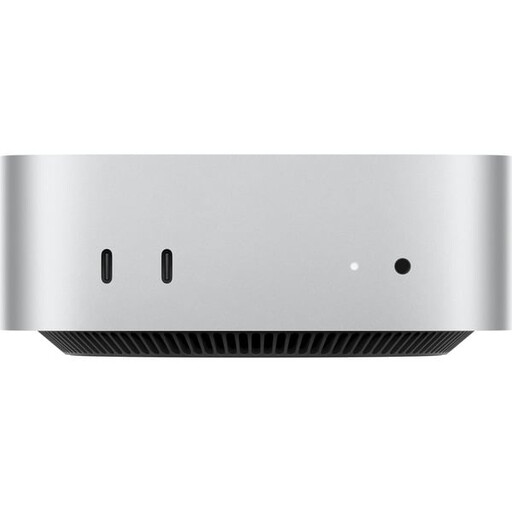
Apple Mac mini A3534 M6, 24 GB, 1 TB SSD
A macOS configuration for development tools that run on this platform, with support for an external monitor.
M6 with 12-core CPU and 12-core GPU, 24 GB Unified Memory, 1 TB SSD, plus HDMI and three Thunderbolt 4 ports.
If you use Xcode, check that the version you need is compatible with the relevant supported macOS version.
Joybuy
Frequently asked questions
Do I need to stand all the time when programming at a height-adjustable desk?
No. The Federal Institute for Occupational Safety and Health describes sit-stand working as alternating between standing and sitting. Set up your screen and input devices so you can use both positions.
What should I check first when choosing a mini PC for my monitor?
Compare the video outputs on the specific PC configuration with the inputs on your monitors, and plan the cable route throughout the desk’s full adjustment range. Ports and supported display configurations vary by model and specification.
Do I need a Mac for Xcode?
If Xcode is part of your development workflow, check Apple’s system requirements for the exact version you need and the macOS version it supports. A Windows PC won’t replace this compatibility check.
What consumer protection applies when buying a PC?
For consumer purchases within the EU, the official Your Europe portal explains that consumers have a legal guarantee of at least two years against the seller. This is separate from a voluntary manufacturer’s warranty. The consumer rights described here do not necessarily apply to business purchases.
Do screen-work rules also apply to a sit-stand workspace at home?
The Workplace Ordinance sets requirements for workplaces provided by employers. ASR A6 gives further guidance on screen work within its scope, including at workplaces and teleworking locations. Whether a private workspace is covered depends on the specific employment and workplace circumstances. This does not mean that every desktop PC bought for private use needs general technical approval.


