For scanned templates and 2D designs, the software you use should guide your choice: Adobe recommends at least 16 GB RAM and 100 GB of free storage for Photoshop version 27.x; Autodesk recommends 32 GB RAM and a GPU with 8 GB of memory for AutoCAD 2026 on Windows, while Blender recommends 32 GB RAM and 8 GB of graphics memory on Windows. These are recommendations for specific programmes, not general minimum requirements for every stage-design PC. Whether a compact computer or a tower is right for you also depends on your scanner, connections and planned upgrades.
Who will use the computer?
Designers working with scanned templates
You mainly edit scanned drawings as images and combine them to create 2D designs. Check the requirements of your image-editing software, how much memory and SSD space is available, and how your scanner connects. Adobe describes both dedicated scanning applications and built-in import features.
Designers planning scaled scenery
You turn templates into drawings with precise measurements. Autodesk points out that raster images are not automatically in the correct scale, so check a known length before using the image to calculate construction dimensions.
Designers creating 3D scenes
You regularly model or render stage sets, and base your choice on the requirements of your 3D application and the computer’s actual graphics hardware. Blender recommends 32 GB RAM and 8 GB of graphics memory on Windows. This is a software recommendation, not a blanket requirement for every stage-design task.
What should you look for when buying?
Start by deciding which programmes and typical workflows you’ll use. Then check the RAM, available SSD space, graphics and connections against the requirements of the specific configuration.
| Priority |
What to check when buying |
Who is this important to? |
| Working with large scans |
Adobe recommends at least 16 GB RAM and 100 GB of free storage for Photoshop version 27.x; project files need additional space. Compare these figures with the software you actually use. |
If I work with large templates and several image layers, I want enough memory and free SSD space. This is the main priority for around 36% of consumers. |
| Creating CAD plans or 3D scenes |
Autodesk recommends 32 GB RAM and a GPU with 8 GB of memory for AutoCAD 2026 on Windows. Blender also recommends 32 GB RAM and 8 GB of graphics memory on Windows. Check the recommendations for your specific software and confirm the scale of any imported scans. |
Anyone drawing scaled plans or regularly working in 3D needs components that meet the requirements of their chosen programmes. CAD or 3D is the top priority for around 29% of consumers. |
| Connecting a scanner and display |
Check that the operating system, scanner software and import method are compatible, and that the connections on the specific PC configuration are suitable for your display and peripherals. |
If I want to keep using my existing scanner and display, compatible connections and an appropriate import method matter. This is the main integration priority for around 21% of consumers. |
| Planning upgrades and specifications |
Compare the RAM, SSD and graphics components actually offered, along with the available upgrade options. Specifications and connections can vary between configurations. |
Anyone looking to choose a computer that will suit them for longer and work with their existing devices should pay particular attention to the configuration and possible upgrades. Around 14% of consumers prioritise this. |
Common buying and planning mistakes
-
Buying a powerful GPU when your work mainly involves scans and 2D files
Software recommendations vary. A recommendation for Blender isn’t a general requirement for image editing.
First decide which programmes and types of project you’ll use. Then compare the RAM, available SSD space and GPU with the requirements for each.
-
Assuming a scan is automatically a correctly scaled basis for CAD
An imported raster image isn’t automatically at the right scale for a construction plan.
Check a known length and adjust the scale before using measurements from the scan.
-
Assuming the product range name tells you what’s included
RAM, SSD and graphics can differ between configurations in the same product range.
Check the full component specifications for the exact model and compare them with your software and devices.
Brands to consider
HP
Z1 Tower workstations are available with a range of processor, RAM, SSD and graphics configurations. They could be worth considering if you’re looking for a Windows tower for design and 3D applications.
- HP lists dedicated NVIDIA graphics for some Z1 configurations.
- This specification isn’t included with every Z1 or listing, so check the exact configuration.
Lenovo
The ThinkStation P3 Tower Gen 2 is a configurable Windows workstation for CAD- or 3D-focused workstations.
- Lenovo lists Intel Core Ultra processors and NVIDIA RTX PRO graphics for this product range.
- Check the processor, graphics and connections on the specific configuration. The manufacturer’s specifications are not an independent performance test.
Dell
The Pro Max Tower T2 is a configurable Windows tower if you want to tailor the specifications to your programmes and existing devices.
- Dell lists a choice of processors and power supply options.
- Images may differ from the configuration you choose. Whether it’s suitable for a 3D application depends on the components actually selected.
Apple
The Mac mini is a compact desktop option for a compatible macOS, scanner and software workflow.
- Apple lists several RAM and SSD options, as well as ports for external displays.
- Check the capacity you choose and the compatibility of your applications and devices. Windows requirements don’t automatically apply.
Joybuy PCs for 2D, CAD and 3D
These Joybuy PCs include tower configurations for scans and 2D designs, CAD and regular 3D work. The key is to check that the specific configuration suits your software and devices.
 No image available
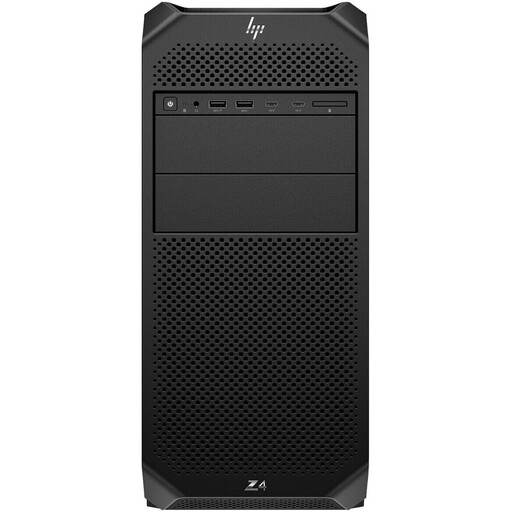
HP Workstation Z4 G5 Tower, Xeon W W3-2535, 64 GB RAM, 1 TB SSD, RTX 4000 Ada
This tower configuration could be suitable for regular 3D work if its components meet the requirements of your specific software.
Specifications listed in the product name: 64 GB RAM, 1 TB SSD, RTX 4000 Ada and Windows 11 Pro.
Before buying, check the requirements of the programme you use and the connections you need.
View at Joybuy
 No image available
HP Z2 Tower G1i A40MMET, Core Ultra 7 265, 32 GB RAM
This tower configuration could suit scan work and 2D designs if the chosen components are compatible with your software and device connections.
Specifications listed in the product name: 32 GB RAM, Intel Graphics and Windows 11 Pro.
Compare the specifications of the exact model with the requirements of your image-editing or CAD software.
View at Joybuy
 No image available
HP Z1 Tower G1i A40T1ET#ABD, Core Ultra 9 285, 64 GB RAM, 1 TB SSD
This tower configuration is worth considering for larger scan and design projects, provided its specifications suit your workflow.
Specifications listed in the product name: 64 GB RAM, 1 TB SSD, Intel Graphics and Windows 11 Pro.
Check the graphics and connection requirements of your applications against the exact configuration.
View at Joybuy
No image available
HP Z1 Tower G1i A40SYET, Core Ultra 7 265 vPro, 32 GB RAM, 1 TB SSD
This Windows tower configuration is worth considering for scan work and 2D editing if its components and connections meet the needs of your programmes.
Specifications listed in the product name: 32 GB RAM, 1 TB SSD, Intel Graphics and Windows 11 Pro.
Before choosing, check your software’s system requirements and the connections your devices need.
View at Joybuy
 No image available
Dell Alienware Aurora ACT1250, Core Ultra 9-285K, 32 GB RAM, 2 TB SSD, RTX 5080
You can assess this tower configuration for regular 3D design work against the requirements of your specific software.
Specifications listed in the product name: 32 GB RAM, 2 TB SSD, RTX 5080 with 16 GB of graphics memory and Windows 11.
The graphics card alone doesn’t prove it’s suitable for every programme. Compare the full specification with the programme’s requirements.
View at Joybuy
Frequently asked questions
Do I need to be able to scan directly from my design programme?
No, that isn’t essential. Adobe describes scanning through a dedicated application as well as using built-in import features. Before buying, check that your scanner, drivers, operating system and chosen file or import method all work together.
Can I simply treat a scanned plan as being to scale in CAD?
No. Autodesk explains that raster images may initially be imported without a unit of measurement, and that their scaling factor needs to be adjusted to match the drawing. Check a known length before using the scan to calculate construction measurements.
What should I know about servicing and returning a PC bought online in Germany?
The Verbraucherzentrale distinguishes between the seller’s statutory liability for defects and a voluntary guarantee. Online contracts generally come with a 14-day right to cancel, although when this period starts and whether it applies depend on the contract and the circumstances of the purchase.
Can I use other people’s scanned drawings for a stage set?
Not simply because they’re available as scans. Section 2 of the German Copyright Act lists drawings, plans and sketches as works that may be protected if they are original intellectual creations. If you’re using someone else’s work, check that you have the rights needed for your intended use. Choosing a computer doesn’t give you permission to use it.


