A mini fridge of your own isn’t always necessary: if there’s room in the existing fridge for covered, separate dessert containers and it reaches the right temperature, a dedicated shelf may be enough. For desserts that need to be kept chilled, follow the storage instructions and check the actual temperature. For perishable food in the home, the German Federal Institute for Risk Assessment recommends 2 °C to a maximum of 7 °C. If there isn’t enough room, compare compact and larger appliances by checking your container dimensions, available floor space and the model’s annual energy consumption.
Who might benefit from a dedicated dessert fridge?
People with desserts that need to be kept chilled
If you’re storing delicate desserts, check their storage instructions and the temperature they actually need to be kept at. For perishable food in the home, the German Federal Institute for Risk Assessment recommends 2 °C to a maximum of 7 °C; this guideline doesn’t apply to every dessert.
People with limited kitchen space
In a shared kitchen, the internal layout and the dimensions of your dessert containers matter just as much as the appliance’s external measurements. The German consumer advice centre recommends considering the right fridge size and installation conditions when choosing an appliance.
People keeping an eye on running costs
If you’re considering an extra appliance, compare its stated annual energy consumption with your electricity tariff and the amount of fridge space you need. The German consumer advice centre lists energy consumption as a useful comparison point.
What should you look for when choosing one?
First, check the dessert’s storage instructions and the fridge space available. Then consider your container dimensions, how you’ll store items separately and the additional ongoing energy use.
| What matters |
What to check before buying |
Who will find this particularly important? |
| Suitable cooling |
Check the dessert’s storage instructions and the temperature the fridge can reach; use a fridge thermometer. For perishable food in the home, the German Federal Institute for Risk Assessment recommends 2 °C to a maximum of 7 °C. |
If I’m storing delicate desserts, I follow their storage instructions and check the temperature. Around 36% of consumers say suitable cooling is their main concern. |
| Room for containers |
Compare the dimensions of your largest container with the shelves, door opening and the appliance’s external measurements. |
If I need to fit several dessert containers into a small space, I consider the interior and where the fridge will go together. Around 29% of consumers put available space first. |
| Separate storage |
Check whether covered containers can be kept apart and whether the shelves can be removed for cleaning. |
If other people’s food is stored alongside my desserts, I want to keep containers covered and clearly separated. Around 21% of consumers are mainly concerned with separation and cleaning. |
| Running costs |
Compare the specific model’s annual energy consumption with your electricity tariff, and take into account how much fridge space you need. |
If I’m considering an extra appliance, I want to weigh up its energy use against the capacity I need. Around 14% of consumers focus primarily on overall costs. |
Avoid common buying mistakes
-
Assuming an advertised ice box is a proper freezer compartment
The Bomann KB 7245 product page advertises a 4-l ice box, while the EU product information sheet for the same model reference lists no star-rated or freezer compartment.
Decide whether you need to store chilled or frozen desserts. Only assume an appliance is suitable for freezing if the documentation for the exact model clearly confirms this.
You may need a separate appliance designed for frozen desserts.
-
Focusing on the capacity in litres instead of your container dimensions
The stated capacity alone won’t tell you whether a cake box will fit on a shelf or through the door.
Compare your largest container with the usable shelf space, the door opening and the fridge’s external measurements.
An appliance that won’t fit the containers you have in mind will be of little use for this purpose.
-
Buying an extra appliance without checking the fridge space you already have
A fridge usually runs continuously, so it’s important to factor in energy consumption as well as the purchase price.
First check whether covered desserts can be stored safely at the right temperature in your existing fridge. If not, compare the annual energy consumption of suitable models.
An extra fridge will use electricity on an ongoing basis, in addition to its purchase cost.
Relevant brands and example models
Severin
The compact KB 8879 is listed with a 45 l usable capacity and a 5-l chiller compartment.
- Severin lists a removable glass shelf, a reversible door, a noise level of 39 dB and energy consumption of 80 kWh/a.
- According to the manufacturer, the chiller compartment is intended for short-term storage of fresh food; this doesn’t mean it’s suitable for long-term freezing.
Exquisit
The compact KB05-V-040E black is listed with a 40 l usable capacity and external dimensions of 44 × 51 × 47 cm.
- According to Exquisit, an adjustable shelf and reversible door can make it easier to position the appliance and organise the interior.
- The capacity in litres alone won’t tell you whether a particular cake box will fit; check the exact internal dimensions.
Liebherr
The under-counter fridge Rc 1400 Pure is listed with a total capacity of 125 l and external dimensions of 85 × 55 × 60,7 cm.
- Its larger capacity may provide room for several dessert containers.
- The appliance needs more floor space; its capacity alone doesn’t tell you how its energy consumption or cooling performance compares with other models.
Bomann
The KB 7245 is listed in the EU product information sheet with a total capacity of 45 l, energy efficiency class E and energy consumption of 80 kWh/a.
- Bomann lists a reversible door and a removable shelf.
- Bomann’s product page advertises a 4-l ice box, while the EU product information sheet for the same model reference lists no star-rated or freezer compartment. So don’t assume it’s suitable for freezing.
Joybuy products for chilled desserts
The Joybuy products below include compact and larger fridges for chilled food. Choose based on your container dimensions, available floor space and the specifications for the exact model.
 No image available
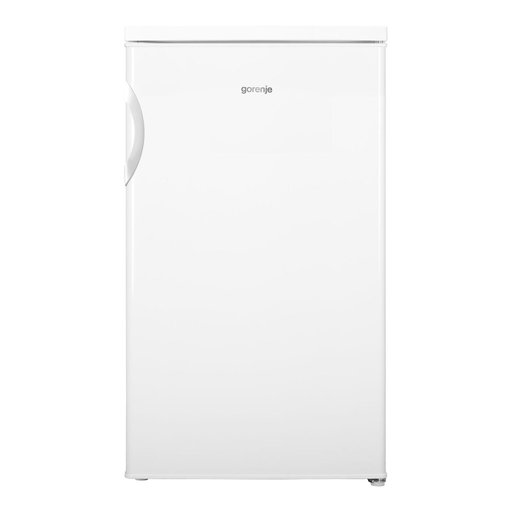
Gorenje G200 R49DPW freestanding fridge, 133 L, energy efficiency class D
This larger fridge may suit you if you need room for several dessert containers and have enough space for the appliance.
133 L; single door; energy efficiency class D.
View at Joybuy
 No image available
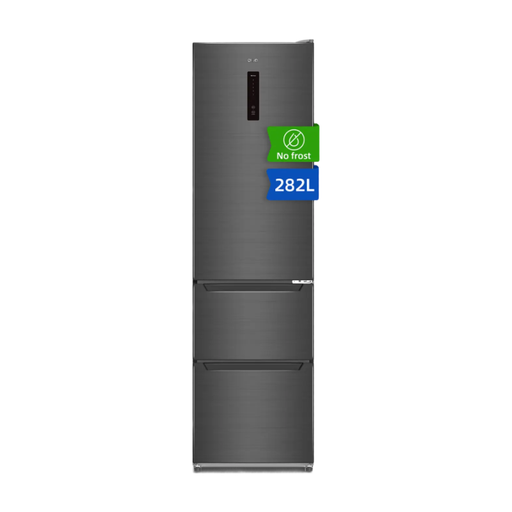
CHiQ CID282NEIBE multi-door fridge freezer, 282 L, 54 cm wide
The stated fresh food capacity may suit you if you need room for several containers; check the space available where you plan to put it first.
282 L; 197 L fresh food capacity; 54 cm wide and 192 cm high; energy efficiency class E; No Frost.
Allow extra clearance for the door to open and for ventilation, as set out in the installation instructions.
View at Joybuy
 No image available
TCL RF120DWE0 fridge with Chiller Box, 90 L, energy efficiency class E
A more compact option if you’re looking for extra space for dessert containers. The name Chiller Box alone doesn’t confirm that it’s suitable for freezing.
90 L; energy efficiency class E.
View at Joybuy
 No image available
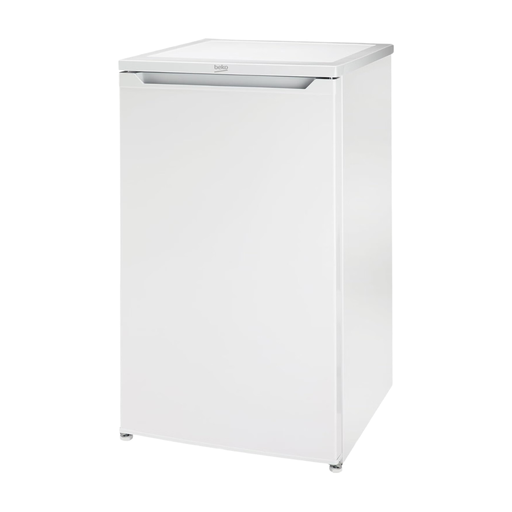
Beko TS190040N freestanding fridge, 88 L
This could be a compact option if its stated capacity and the space available suit your dessert containers.
88 L; reversible door; 38 dB; energy efficiency class E.
According to the product description, the appliance is designed for storing food in a domestic setting.
View at Joybuy
 No image available
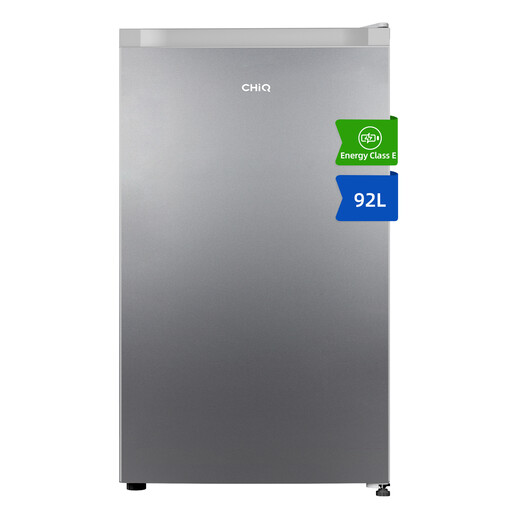
CHiQ JR92DSE fridge, 92 L, 47 cm wide
Its compact width may be useful if space is limited; check it against the space available and your container dimensions.
92 L; 47 cm wide; 7 temperature settings; adjustable glass shelves; reversible door; energy efficiency class E.
View at Joybuy
Frequently asked questions
What temperature is right for my desserts?
Follow the storage instructions for the specific dessert. For perishable food in the home, the German Federal Institute for Risk Assessment recommends keeping it in the fridge at 2 °C to a maximum of 7 °C. Use a thermometer to check the actual temperature instead of relying on the thermostat setting alone.
How should I store desserts alongside other people’s food?
Keep food covered and separate from other items. Check that your lidded dessert containers fit on the shelves, and agree on clear areas for storing food in the shared kitchen.
Is a chiller or ice box automatically a freezer compartment?
No. The name alone doesn’t confirm that it’s suitable for freezing. The Bomann KB 7245 product page advertises a 4-l ice box, while the EU product information sheet for the same model reference lists no star-rated or freezer compartment. Check the documentation for the exact model before planning to store frozen desserts.
How do I compare the running costs of an extra fridge?
Compare the model’s annual energy consumption in kWh with your electricity tariff, and consider how much fridge space you really need. First check whether your existing fridge has enough suitable space.
Do the same legal food hygiene rules apply to desserts in every shared kitchen?
No, it depends on how the kitchen is used. Regulation (EC) No 852/2004 excludes the domestic preparation, handling or storage of food for private domestic consumption from its scope, and sets out rules for food businesses. The private-use exemption doesn’t automatically apply to a shared kitchen used for commercial purposes.


