What should you look for when buying?
First check what temperature your desserts need and whether your existing fridge can provide it. Then compare extra appliances based on their footprint, container space and ongoing electricity consumption.
| Priority |
What to check when buying |
Who is it important to? |
| Safe chilling temperature |
Follow the storage instructions, check the appliance’s stated temperature range and monitor the temperature at the storage location. |
When I’m storing desserts made with perishable ingredients, the right temperature matters more to me than having the smallest appliance. Around 29% of consumers put the chilling temperature first. |
| Footprint and installation |
Compare the appliance’s height, width and depth, as well as door clearance and installation instructions, with the space available. |
When worktop space is limited, I need a suitable spot where the appliance and its door won’t get in the way. Around 29% of consumers prioritise available space. |
| Room for dishes and portions |
Measure your containers and check the internal layout, shelves and any compartments on the specific model. |
If I need to fit several or larger dessert containers inside, usable interior space matters more to me than the smallest appliance footprint. Around 24% of consumers focus mainly on space for their containers. |
| Purchase price and electricity consumption |
For suitable appliances, compare the stated annual consumption in kWh and consider it against your electricity tariff. |
If an extra appliance is going to run all the time, I want to consider its electricity consumption as well as the purchase price. Around 18% of consumers prioritise overall costs. |
Joybuy products for extra chilled storage
The following Joybuy products are compact fridges with different stated capacities. Compare the dimensions and internal layout of each model with your available space and dessert containers.
 No image available
Sonlu CS-100L fridge, 82 l, single-door design, energy efficiency class E
Worth considering for extra chilled storage if you have a suitable spot; measure your dessert containers and compare them with the interior.
82 l; single-door design; energy efficiency class E.
View at Joybuy
 No image available
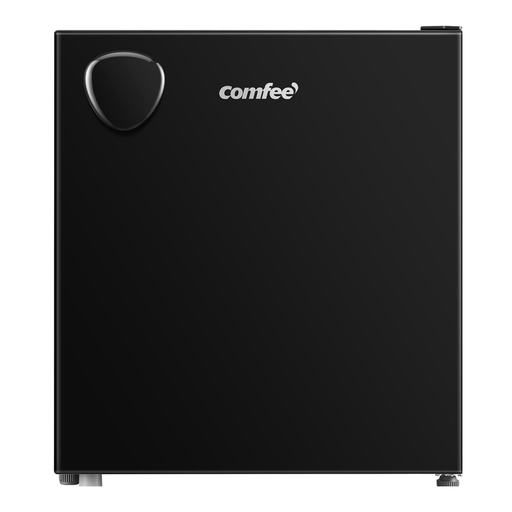
Comfee' Youniq Series RCD48BL2EUY(E), 43 l, 44,5 cm wide, black
Its stated slim width may be useful if space is limited; also check that your containers will fit inside.
43 l; 44,5 cm wide; three temperature settings; energy efficiency class E.
View at Joybuy
 No image available
TCL RF120DWE0 fridge, 90 l, with Chiller Box, energy efficiency class E
If you’re looking for extra chilled storage, check that the available space, internal layout and temperature range suit your dessert containers and storage requirements.
90 l; Chiller Box; energy efficiency class E.
View at Joybuy
 No image available
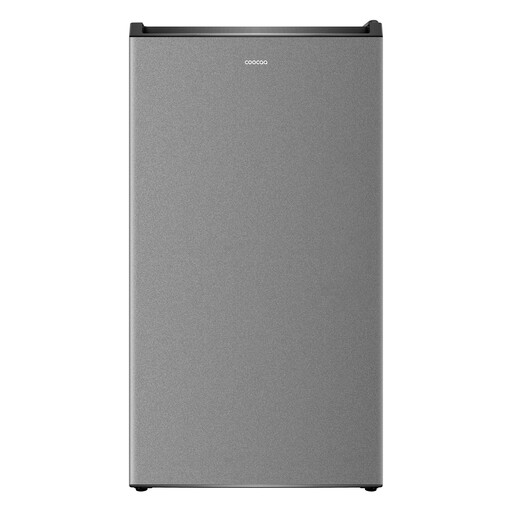
Coocaa SRS-120DTE fridge, 83 l
Worth considering for extra dessert storage; compare the stated appliance dimensions with the available space and check that your containers will fit.
83 l; energy efficiency class E.
View at Joybuy
 No image available
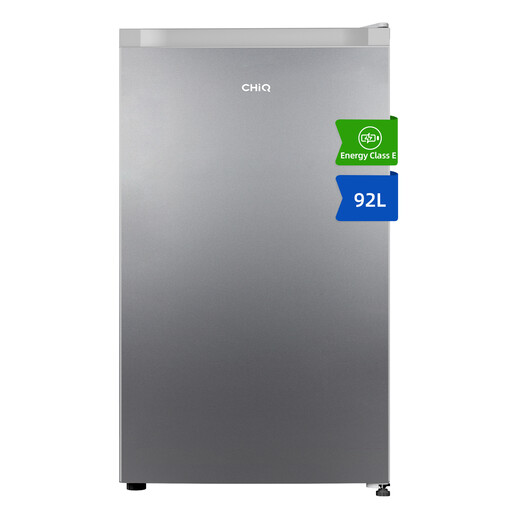
CHiQ JR92DSE, 92 l, 47 cm wide, Chill Drawer, silver
The stated width and shelves may help you plan for the available space and your containers; check the internal dimensions for your dishes.
92 l; 47 cm wide; seven temperature settings; adjustable glass shelves; Chill Drawer; energy efficiency class E.
View at Joybuy
Frequently asked questions
What temperature do chilled desserts need?
It depends on the ingredients and the specific storage instructions. For perishable foods in the fridge, the BfR recommends 2 °C to a maximum of 7 °C; there isn’t one temperature that applies to all foods. Check the temperature at the actual storage location if needed.
How should I store prepared desserts hygienically?
Keep perishable ingredients chilled, and store food in the fridge covered and separately from other items. The BfR also recommends keeping food chilled during transport.
Can I put a freestanding mini fridge in a narrow shelving unit?
Not without checking the instructions for the specific model. For example, Severin prohibits installing the KB 8872 in or under a cupboard and specifies particular clearance requirements. Don’t assume these instructions apply to other appliances, and leave room for the door to open.
How do I compare energy consumption and energy labels?
For appliances that meet your cooling and space requirements, compare the stated annual consumption in kWh and multiply it by your electricity tariff per kWh to estimate your own costs. Under EU rules, the energy label must also be visible when affected refrigeration appliances are sold online; the scale runs from A to G. The rated consumption isn’t a guarantee of your actual consumption.
What are the rules in Germany for faulty products and disposing of an old fridge?
According to the Verbraucherzentrale, faulty goods are generally covered by statutory rights against the seller; these are separate from any voluntary guarantee. Electrical appliances must not be put in household rubbish but taken to an authorised collection point. Online retailers also have take-back obligations, so check how returns are handled when you buy.


