
Lieferung heute & morgen

Qualitätsgarantie

Willkommens-Angebote freischalten: KOSTENLOSE Lieferung | Bis zu 80 % RABATT | Kostenlose 30-Tage-JoyPlus-Testphase
App herunterladen
Dessert powder is a practical choice when there is little time after a family meal or you need to prepare a dessert at short notice. The range includes custard powder and cream desserts, jelly powder and fruit puddings, as well as sugar-free snack and food supplement powders. This variety can, however, make products difficult to compare.
Three common buying mistakes particularly often lead to disappointing purchases:
For quick dessert preparation, it is essential to check which liquid is needed and in what quantity. A dessert powder made with milk is often whisked with cold milk and then chilled. Fruit pudding may only require cold water, while jelly powder often needs hot water and only sets once it has cooled.
Examples from the selection:
If you are looking for an instant dessert to eat straight away, do not just look for the word “instant”. You should also allow for the chilling and setting time.
The ingredients list shows whether a product is primarily a traditional dessert mix, a fruit preparation or a functional powder. Cream desserts, for example, may contain sugar, modified starch, milk protein, vegetable fats and thickening agents. According to the product information, Dr. Oetker Paradies Creme Lemon contains milk and milk derivatives.
Dr. Oetker Quarkfein Strawberry lists sugar, modified starch, 2.1% strawberry powder and flavourings, among other ingredients. The nutritional information states that the powder contains 16 g of sugar per 100 g. The actual nutritional values of the prepared dessert will also depend on the amount of milk or quark used.
For allergy sufferers and households managing intolerances, the following applies: The packaging information for the specific product purchased is the deciding factor, as recipes and labelling may change.
Small sachets of around 50 to 80 g are suitable for individual dessert portions or smaller households. Multipacks and larger formats make sense if you regularly prepare desserts, cake fillings or family-sized portions.
You should also check whether the product really belongs to the category you are looking for:
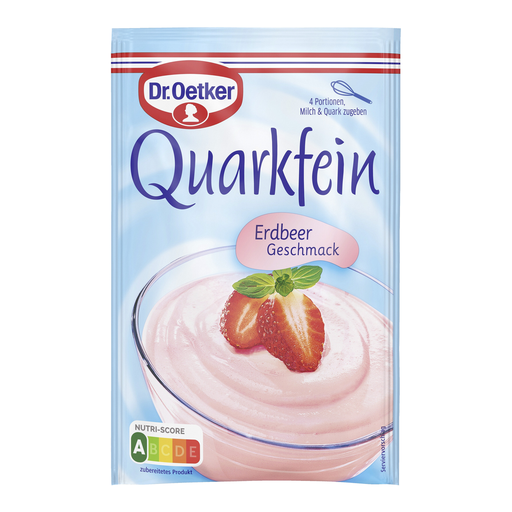
Why this product suits this profile: The 56 g pack is designed for straightforward preparation with quark or milk and, according to the description, can also be used for milkshakes.
The ingredients and nutritional information make it clear that strawberry powder accounts for 2.1% and that the product contains sugar. This helps you set realistic expectations about the fruit content.
Compact pack size, versatile preparation with quark or milk and, according to the product information, 9.9 g of protein per 100 g.
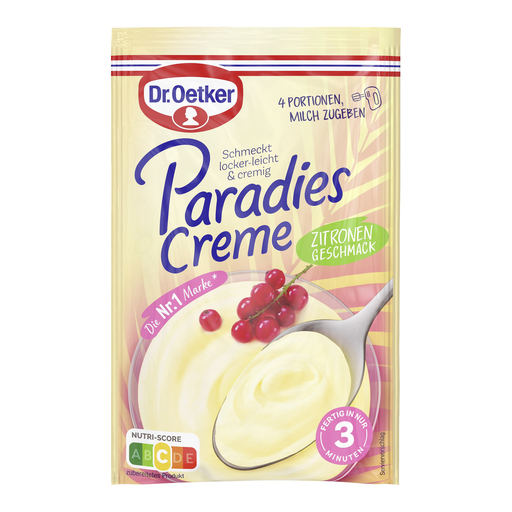
Why this product suits this profile: The powder is prepared with cold milk and is a good option for shoppers looking for a creamy dessert mix without cooking.
The preparation instructions are clear: use cold milk and stir for around three minutes. At the same time, the ingredients list indicates that it contains milk derivatives and vegetable fats.
72.5 g pack, cold preparation and, according to the product information, 115 kcal and 15 g of sugar per 100 g of powder.
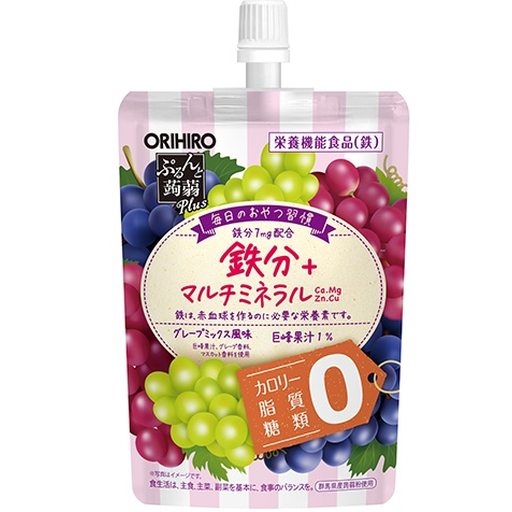
Why this product suits this profile: This konjac jelly mix is aimed at shoppers looking for a portionable snack with grape flavour and, according to the nutritional information, 0 g of sugar per 100 g.
The ingredients list names erythritol, several sweeteners and aspartame as a source of phenylalanine. Before buying, check that this information is compatible with your dietary requirements.
130 g pack, 8% grape juice content and added mineral compounds and biotin, according to the product information.
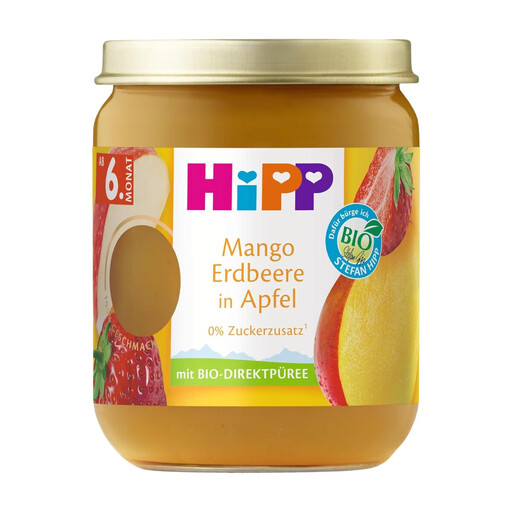
Why this product suits this profile: According to the product information, this organic ready-to-eat fruit preparation is suitable from six months and can be served as a dessert or used as part of a purée.
This is not a dessert powder, but 100% fruit purée with no added sugar. Check the age recommendation, ingredients and storage instructions before feeding.
6-pack with 160 g per pouch, an organic fruit combination of apple, mango and strawberry, and no added sugar according to the product description.
We have put together a complete, regularly updated list of products that fully meet these strict selection criteria and the safety regulations applicable in the EU.
When working out the cost, it is not just the price of the sachet that matters. Check how many portions the product makes and whether you also need milk, quark, yoghurt, sugar or fresh fruit. A powder with a lower unit price may become more expensive than a ready-to-eat preparation once additional ingredients are included.
Unopened products should generally be stored according to the packaging instructions, usually in a cool, dry place at room temperature. Once prepared, cream desserts, custard and jelly should be kept in the fridge. For baby jars, the relevant instructions are particularly important: remove the required amount, refrigerate the remaining contents in a sealed container and use them within the stated period. For children, check the age recommendation, consistency and ingredients list before buying.
It depends on the product. According to the preparation instructions, fruit pudding can be mixed with cold water. Cream desserts are often whisked with cold milk. Jelly powder, on the other hand, often requires hot water followed by chilling. The specific instructions on the packaging are the deciding factor.
After preparation, dessert powder should generally be refrigerated and eaten as soon as possible. The exact shelf life depends on the product, liquid used and hygiene during preparation. The packaging instructions take precedence; cake fillings, for example, may have a stated use-by period of two days.
Not every dessert powder is dairy-free. Products such as Paradies Creme Lemon and Quarkfein Strawberry contain milk or milk derivatives according to the available information. If you need to avoid allergens, check the ingredients list and information about possible traces before every purchase.