
Lieferung heute & morgen

Qualitätsgarantie

Willkommens-Angebote freischalten: KOSTENLOSE Lieferung | Bis zu 80 % RABATT | Kostenlose 30-Tage-JoyPlus-Testphase
App herunterladen
A device mount is designed to hold a smartphone, camera or monitor securely in position. In practice, however, poor purchases are often caused not by the price, but by an unsuitable mounting method, a lack of compatibility or exaggerated claims in product descriptions. Checking a few technical details before buying can significantly narrow down the choice.
“Universal” does not automatically mean that every smartphone case, camera body or monitor will fit. With a smartphone mount, the supported device size and the span of the holding arms are crucial. For monitors, the screen size, weight and VESA monitor mount must match.
Before buying, check the following:
A suction cup mount can work on a smooth, clean and non-porous surface. On textured dashboards, dusty surfaces or in conditions with major temperature fluctuations, adhesion may decrease. A car camera mount should therefore be checked regularly, particularly when exposed to vibrations.
A vent mount is not equally suitable for every vehicle either. The shape and stability of the slats vary. For navigation, the mount must also not obstruct your view of the road or interfere with the operation of airbags.
A rotating and tilting mount only offers a practical advantage if its joints, clamps and fastening system can support the load over time. For monitor arms, the maximum load per arm, desk thickness and mounting method are more important than a long list of movement angles.
For camera and smartphone products, a quick-release plate or ball joint also makes handling easier, but does not replace checking the screws, clamping mechanism and contact surface.
For a car phone holder, the device dimensions are particularly important. According to the product details, the Baseus Car Mount Steel Cannon 2 is designed for smartphones measuring 4.7 to 6.76 inches and attaches to the air vent. An alternative suction cup mount may be intended for the dashboard or windscreen. The specific mounting method should be checked against your own vehicle.
For monitors, specifications such as 13 to 32 inches, VESA 75/100 and the permitted load capacity are key. Screen size alone is not enough: a heavy monitor may exceed the permitted load of an arm.
The right mounting method depends on where you intend to use it:
An adjustable mount should allow precisely the movements you need in everyday use. For smartphones, portrait and landscape orientation as well as stable angle adjustment are important. A smartphone handgrip, on the other hand, is designed for mobile recording and can incorporate features such as a shutter button, fill light or cold shoe accessories.
For a monitor arm, height adjustment, tilt, swivel and rotation are key. A dual monitor mount should also allow the positions of two screens to be adjusted independently and provide organised cable management.
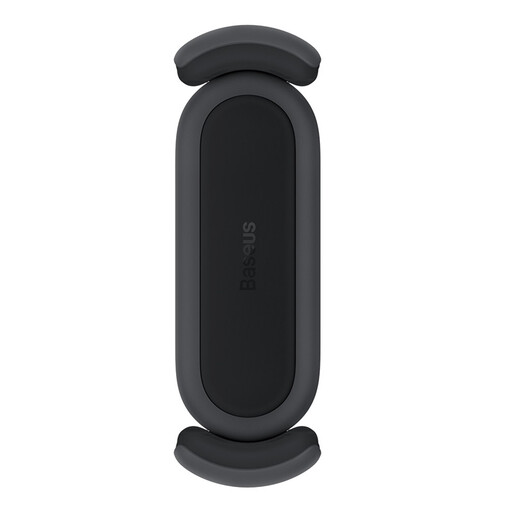
Why this product suits this profile: The air vent mounting system is suitable for drivers looking for a compact holder for navigation and hands-free calls.
The product details explicitly state the mounting method and compatible size range of 4.7 to 6.76 inches.
Air vent mounting, smartphone compatibility and compact dimensions of 13.5 × 8.8 × 2.8 centimetres.
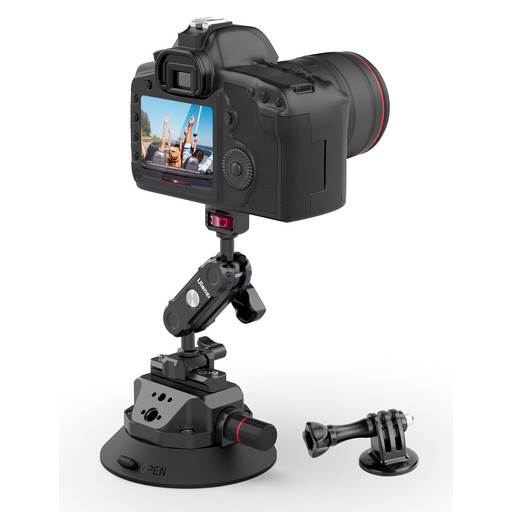
Why this product suits this profile: For content creators who want to attach cameras or action cameras to a smooth surface inside a vehicle.
The instructions require a clean, smooth surface, checking the vacuum indicator and carrying out regular checks during use.
Vacuum suction cup with pump and quick-release mounting for compatible camera systems.
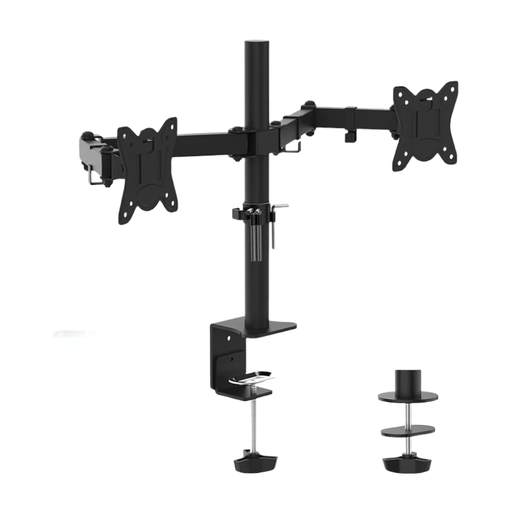
Why this product suits this profile: The dual monitor mount is designed for workspaces with two screens and limited desk space.
VESA 75/100, up to 9 kilograms per arm, plus C-clamp and desk grommet mounting are specified clearly.
360-degree rotation, ±90-degree tilt and integrated cable management for two monitors.
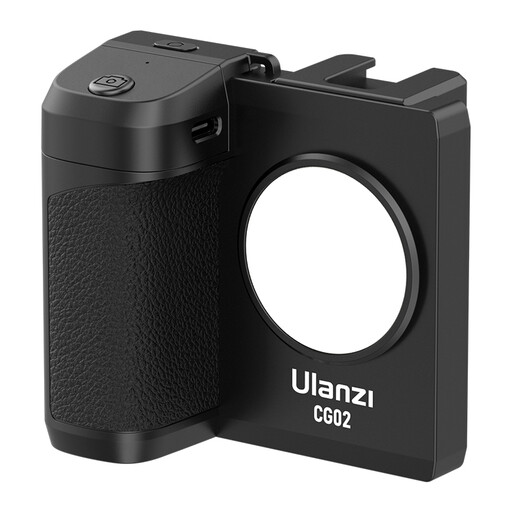
Why this product suits this profile: This handgrip is aimed at users who want to handle smartphones more securely for vlogs, selfies or short social media recordings.
The features are described specifically as a fill light, three brightness levels, remote control and cold shoe connection.
Integrated fill light and accessory connection for compatible smartphone recording setups.
We have put together a complete, regularly updated list of products that fully meet these strict selection criteria and the safety regulations applicable in the EU.
Regardless of the model, the device mount should be checked before first use:
A desk monitor mount should only be installed on a sturdy desk suitable for a clamp or desk grommet. Cables must not restrict the arm’s movement.
For navigation and hands-free calls, an air vent mount, suction cup mount or dashboard mount is usually suitable. The key factors are the smartphone dimensions, the stability of the mounting location and an unobstructed view of the road. Devices should only be operated while the vehicle is parked.
It is not possible to give a standard service life. Adhesion and durability depend on the surface, temperature, dirt, load and regular checks. If adhesion decreases or cracks or visible damage appear, the mount should no longer be used.
Check the VESA dimensions, monitor weight, screen size, desk thickness and mounting method. With a dual monitor mount, the stated load capacity generally applies per arm. The monitor’s actual specifications must remain within these limits.